
Adrian Savage: Inside the future of email deliverability (Episode 14)
Is your list ruining your email deliverability? In this episode of Data Beats Opinion, learn how to make sure new leads actually see your emails.

Every marketing channel that powered the last decade of growth is quietly breaking down.
And yet plenty of businesses are still growing. Not by finding the next shiny channel, but by returning to something much older: relationships and owned distribution.
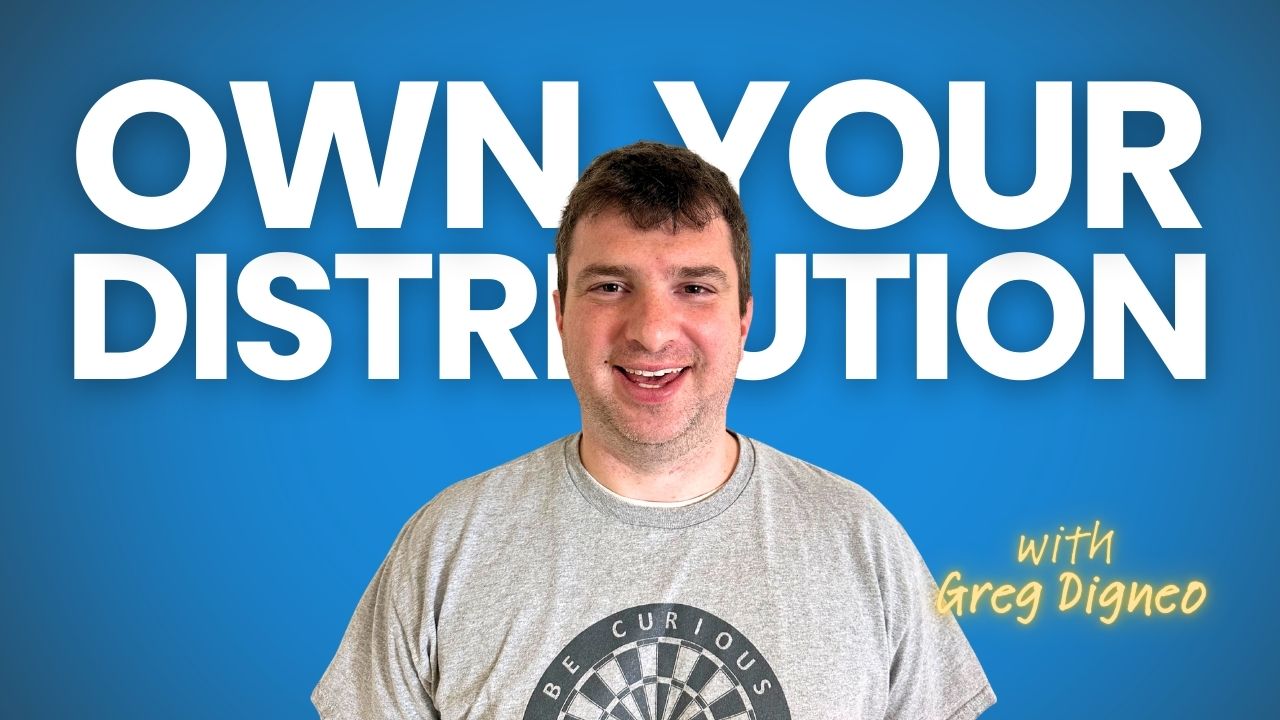
In this episode of Data Beats Opinion, Keith sits down with Greg Digneo, founder of Content Guppy, to unpack why the businesses winning right now are the ones building audiences they actually own. Greg shares how partnerships and newsletter swaps can outperform paid ads at a fraction of the cost, why one good conversation can replace a thousand cold emails, and how founders can turn their existing expertise and conversations into a content engine — without starting from scratch.
If you’re a founder, marketer, or creator who’s tired of being at the mercy of algorithms and ad platforms, this one’s for you.
Watch the whole episode on YouTube →
Greg Digneo is the founder of Content Guppy, which helps B2B SaaS companies grow through owned distribution and organic visibility. With 20+ years of marketing experience, Greg has evolved Content Guppy from a traditional SEO agency into a partnership-first growth model — helping SaaS brands build audience presence that outlasts algorithm changes and paid ad volatility.
Connect with Greg on LinkedIn or at Content Guppy.
[00:00] Meet Greg Digneo [02:00] How cheap Facebook ads killed affiliate marketing [03:00] The partnership revolution [06:13] What a modern partnership looks like [09:31] Why the internet is becoming a walled garden [13:53] How Google killed the affiliate listicle game [17:43] Owned distribution explained [19:32] What most people get wrong about their email list [20:46] How Greg actually builds owned distribution [24:27] Finding qualified leads hiding in your email list [27:00] One to one to many [28:18] How creators vs SaaS think about owned distribution [29:00] Why the old SaaS playbook is breaking down [32:21] How SegMetrics turned off $15K in ads and grew [33:46] When Greg stopped recommending SEO [36:04] People follow people, not brands [38:00] Parasocial relationships and founder-led content [40:22] Founders who get out there grow faster [42:02] How to create content when you hate creating content [44:40] Repurposing conversations into newsletters and posts [45:49] How to use AI to streamline founder-led content [49:41] Where to find Greg
Data Beats Opinion is SegMetrics’ monthly podcast exploring what’s actually working in growth and marketing today. Host Keith Perhac, founder of SegMetrics, sits down with domain experts to uncover practical strategies you can implement — not just theory.
Want to see what is and isn’t working across all your growth channels — including outbound sales, paid ads, deal pipelines and content marketing? SegMetrics provides full-funnel, cross-platform, lifetime attribution so you can see what’s actually driving revenue, not just clicks. And you can test-drive it for free.
Start your 14-day free trial today.
Data beats opinion. Growth beats guesswork. 🚀
Keith Perhac: So what marketing channels aren’t doing so hot right now? Ads. SEO, outreach, social, uh, what does that leave? In this episode of Data Beats Opinion, we’re talking to Greg Digneo about the owned distribution revolution. We’re diving into why partnerships crush paid ads, and how one conversation can replace a thousand cold emails.
Keith Perhac: And honestly, the counterintuitive truth that founder-led content beats professional marketing every time. Plus, why the future of marketing looks suspiciously like the past. Let’s start the show.
Keith Perhac: All right, well, let’s dive on in. Um, Greg, super happy to have you, uh, very excited about things. Yeah. Um, give me the, who are you, Greg?
Greg Digneo: So I, I mean the, the, the 30-second bio. I am the founder of a company called Content Guppy. Up until like five months ago, we were an SEO agency for SaaS companies. We have since pivoted to what we call owned distribution and uh, we could get a lot more into that, but essentially we will.
Greg Digneo: Yeah, but essentially we want to help companies get off of, or stop relying solely on algorithms and ad marketplaces like Facebook Ads or, or Google Ads or whatever. And, uh, like basically cold outreach spam as means to, uh, acquire customers. And so we want people to own their distribution in case.
Greg Digneo: Something goes wrong — in case Google decides to de-index one of your pages for some reason, and you don’t know why. Or in case Meta decides to double your ad price for some reason or whatever.
Keith Perhac: Oh, they, they would never raise prices on ads. I, I was going through an old talk that I was giving. Uh, 12 years ago, I think, and I was talking about how you could get leads for about 10 to 20 cents on Facebook Ads.
Greg Digneo: Yep.
Keith Perhac: And I was like, wow, that’s not happening anymore.
Greg Digneo: So back, so I started my first business in 2004. I’m dating myself. I was in college. We were doing solar panels. So if you know anything about solar panels right now, the cost per click is like 55, $60 just for the click. My
Keith Perhac: gosh.
Greg Digneo: We were buying, like, we built the entire business on Google Ads paying like 5 cents a click and we would literally just spend 10 bucks a day.
Greg Digneo: Uh, we didn’t have like optimized landing pages or anything like that, but like we thought we were geniuses as marketers because, you know,
Keith Perhac: it was just so cheap back then. Yeah,
Greg Digneo: we were, yeah. It was so cheap. So.
Keith Perhac: So this, this ties into something. So I, I want to get into owned distribution, but because I think it’s really important, but we, you just touched on something that I also want to talk about, which is partnerships.
Keith Perhac: Yes. And is this the partnership revolution that you, that you talk about. And one of the things that hit home with me earlier this year is, so I went to, uh, ClickFunnels. Uh, um, Funnel Hacking Live, Funnel Hacking Live. And they had launched their new Offer Labs. And what Offer Labs is, it’s an easy way for affiliates and partners to, um, put their products out there so that they’re discoverable and people can build those affiliate relationships and those partnership, uh, relationships.
Keith Perhac: And one of the things that they mentioned on stage, and I hadn’t put two and two together on this, is that back in the day, all these creators, all these info products, it was all affiliate and partnership marketing. There were no Facebook Ads, there were no real Google Ads. Like that was not an effective way to get customers.
Keith Perhac: Back in the day. And so it was all affiliate based. It was all partnership based. It was all relationship based stuff. And you paid a lot for that. Like it was 30% or 50% of revenue for these affiliates because you were list sharing. And then Facebook and Google Ads come in, specifically Facebook. And suddenly you’re able to get these leads for like we’re saying 20 cents, 30 cents, maybe a dollar at the most.
Keith Perhac: Yeah. And. Suddenly the partnerships and the affiliates — why do I have to give away 50% of my revenue when I can get it in Facebook and I’m getting dollar customers, right?
Sure.
Keith Perhac: And so it killed all of that affiliate marketing, and now Facebook is now, it’s now $50, a hundred dollars just to get a lead.
Keith Perhac: Yes. And suddenly that cost price is no longer valuable, but it already killed that affiliate marketing as a main channel. And so this is why I’m super excited about this partnership revolution because. I think that ads have gotten to the point where they’re no longer cost effective for certain businesses.
Greg Digneo: Yeah. So if you’re an info product or a creator or course creator or something, and if you have a product for a hundred bucks, like that’s just, you can’t, I, I don’t know if it’s possible to, and in certain industries, that’s definitely not possible to build a sustainable business. I’m guessing there are some industries that are nascent and things like that, but, uh, that are newer, but you know.
Greg Digneo: The bigger industry is like marketing or something like that. Like you’re not, you’re not acquiring a lead for a hundred bucks. It’s gonna be way more, so yeah. So, um, partnerships are, uh, definitely a way to go. I think now, but like, I, but when, when I talk about partnerships, I don’t even think it’s, I think you, I think you have to expand beyond affiliate marketing a hundred percent as a, as a means of acquiring partners.
Greg Digneo: Like you don’t have to give away 50% of your, um. If 50% of your product or your price to an affiliate, like there’s, there’s definitely other ways to do that for sure. So, and again, like that’s why, when you’re acquiring your customers and you’re building your email list and things like that, we could start to leverage that.
Greg Digneo: And I could give you an example.
Keith Perhac: Yeah. Let’s, let’s dive into that. ‘Cause I wanna talk about what, what does that partnership look like in 2025?
Greg Digneo: Yeah, so here’s an example. I just actually pitched a friend of mine. Uh, her name’s Amanda, she’s launching a book. Uh, the book is like 30 bucks I think.
Greg Digneo: It’s like, and once, once she gets all her Amazon thing, she gets 30% of that 30 bucks or whatever it is, right? Like the Barnes and Noble fees, she’s getting 30. So it’s not like a huge product for her to be like, Hey, let’s just run Facebook Ads and throw a funnel at it. It’s not gonna make sense, but she has an 80,000 person email list.
Greg Digneo: She, when she emailed her 80,000 person email list, um, I think she sold 500 books or 700 books or something like that. So she did well. Like that’s an incredible number, but that’s a very small percentage of people who actually, um, uh. Bought the book, right? Mm-hmm. That’s less than 1%. So what, what I pitched her and what I told her she should do is find three friends or four friends who have 50,000 to 80,000 person email lists and just say, Hey listen, we’re gonna host a, we’re gonna have, we’re not gonna have a webinar, we’re gonna have an event, we’re gonna have an online event.
Greg Digneo: And we’re gonna do a major cross promotion, uh, uh, for the event. And all these people are gonna email their list, go through their socials, and, um, drive everybody to this one webinar, this one registration page where everybody registers and she could then pitch her book on that.
Greg Digneo: And then everybody can speak for an hour, or all the speakers can speak for an hour. You share the email list and now you’re promoting your book and your webinar to not just 80,000 people, but now you’re promoting it to, um, 300 to 400,000 people. So it, it, and, and like I know she has 80,000 people, but imagine you have 5,000 people on your email list, which I’m sure a lot of your audience does.
Greg Digneo: You could do the exact same thing. Find somebody else who has 5,000 people on their email list and say, Hey, listen, do you wanna do a crossover event or something like that where we, you know, I’ll talk for an hour, you talk for an hour. And, um, you know, at the end of each of our speeches or our talks or whatever, we’re gonna talk about whatever — acquiring customers, or we’re gonna talk about yeah.
Greg Digneo: Funnels or we’re gonna talk about whatever it is. And, um, we will share the email addresses at, at the end. So like, hey, if you bring in, you know, 250 people and I bring in 250 people, plus now 250 more people on my email list. And, um, and I pitched my product to 200 people who haven’t heard of me.
Greg Digneo: So that’s just one example of like something that you could do if you start owning your distribution.
Keith Perhac: It, it really is that, and I love that we have gotten to this point where, you know, they talk about the internet becoming something that is. Very, uh, I can’t even think of the word. Very closed, right?
Keith Perhac: It’s a walled garden is what they always say. Yeah. And it’s nice to see that. I think a lot of creators especially are seeing that and being like. We gotta get outta here. We gotta get out of this, this walled garden. And we’re really going back to a lot of the strategies that worked for so long — these online summits, these challenges, these types of communal strategies between partners, which I love because that was why I got into this.
Keith Perhac: I love the partnership of everything.
Greg Digneo: I mean, these things, I look, if you look around, these things have been, I mean, partnerships have been around forever. It’s not just online, I mean. You know, before the internet, like you would always see like, uh, McDonald’s promoting a movie, uh, with their Happy Meals.
Greg Digneo: Mm-hmm. Right? Like it’s the same exact thing. Like the thing I love about partnerships and, and that sort of thing is they’ve been around for a thousand years since the dawn of commerce and they’re gonna be around for a thousand more. I don’t know what they’re gonna look like in a thousand years, but they’re gonna be around for a thousand years because that’s just.
Greg Digneo: One of the most effective ways of doing business.
Keith Perhac: Yeah. And I think they’re always gonna come back to this, like, there’s always gonna be skips because there’s always gonna be the new hotness that people are like,
Greg Digneo: exactly, there’s gonna be a new fad or a new thing and they’re gonna die off, and then they’re gonna come back and then they’re gonna die off.
Greg Digneo: But, but there’s still always going to be around. They’re always gonna be an effective way to, to sell your products and, and grow your business.
Keith Perhac: And I think that, um. I think it’s important because, you know, we’re looking at a lot of AI content now and we’re looking at AI content in like blogs and written.
Keith Perhac: We’re even seeing it in video and we’re seeing it. The, the most egregious example that I see is user generated content that is all AI.
Greg Digneo: Yes.
Keith Perhac: Which just. Flat out should be illegal. Like I should
Greg Digneo: be. I hate it.
Keith Perhac: Like it, it’s, it’s miserable. Like the fact that you have user generated content that none of it is real is, is just the slimiest thing to me.
Keith Perhac: But we are seeing that everywhere. And so I think that there is even more value in these types of partnerships, in these types of real people that you follow, that you relate to. Promoting each other and being together and doing all that.
Greg Digneo: For sure. Because a couple things, when you do a partnership, like, I’m just using a webinar as an example, but it could be you’re guest posting on somebody’s newsletter or, or something like that.
Greg Digneo: Mm-hmm. Like there’s a couple things there. One is you’re getting like this implied trust, right? Like, like if I, if you invite me to promote in your newsletter. If you invite me to do a webinar with you, hey, you’re inviting me on this podcast, right? Your audience trusts you, and then in turn there’s like this trust that I am just inherently getting
Keith Perhac: right,
Greg Digneo: because I’m associated with you.
Greg Digneo: So I’m not
Keith Perhac: gonna bring a schlub, I’m, I’m not gonna bring a scammy person onto this podcast, right? Why would I do that? Exactly,
Greg Digneo: exactly. And so, so there’s that. And then the other thing is, um, when you go on a webinar, you go on a video or you, or like, you know, on your newsletter, you are gonna make sure that that’s not just some crappy AI generated thing.
Greg Digneo: You won’t publish that. Right? So. Like, it’s gonna be my words, my voice, my writing. And you and your audience could be certain of that because they trust you. They’ve been on your newsletter for a while and so again, I get that inherent credibility already, uh, because of you. And so, yeah, that’s, that’s one of the reasons, another reason why I love it is because.
Greg Digneo: You get that credibility already that it’s hard to get. Yeah,
Keith Perhac: I agree. And I think that, you know, with physical products, we’ve gotten to the point where they all look the same. It’s impossible to tell what’s real and what’s not. What is a duplicate that’s just made at the factory next door versus an actual brand and all this stuff.
Keith Perhac: And it really has turned into the curation game where you have to have someone you trust doing that curation and people follow those curators and it’s the same thing for people.
Greg Digneo: Yep.
Keith Perhac: I think, and there’s so much stuff on YouTube, there’s so much stuff on TikTok. It’s, yeah, you can luck into finding something, but really it’s so and so recommended this to me, and then I started watching so and so recommended this to me, and so I started following and then that’s how you.
Keith Perhac: It, it’s like building relationships in real life, just online, right?
Greg Digneo: Yeah. So, so to go to that real quick, like the curation part, um, about a year ago or so, this happened in the software space. But like all the affiliate sites that were ranking in the top, like top 10 for CRMs for small business, top 10 for mm-hmm.
Greg Digneo: You know, all these listicles that weren’t selling actual products, they were simply affiliate sites. They got obliterated, whether it was product or — Oh really? — software. Uh, yeah, totally obliterated. Like sites that were making 25 or $30,000 a month, all of a sudden their traffic went to zero, like they just got crushed because Google realized these are just crappy.
Greg Digneo: Listicles. Like, okay, if you don’t know what SEO is, I’m gonna just change the way you think about shopping. Now, let’s say you wanna buy a coffee pot, right? From wherever and you’re like, you go to Google, and here’s how nobody does this anymore, but this is what you used to do.
Greg Digneo: Used to go to Google and write “10 best coffee pots” or “best coffee pots.” Mm-hmm. Like that was the thing. Well, that article was written by some guy like me, who actually, I didn’t even write it. I outsourced it to somebody else who was charging me 10 cents a word, and then I ranked it.
Greg Digneo: I built some links to it. I ranked it. And we know nothing about coffee pots. We have no idea if this coffee pot is good or not. But that’s how the SEO game is played. They have an affiliate
Keith Perhac: deal and that’s
Greg Digneo: what matters. Right. But that’s how the SEO game is played. And so when you recommend a product to your audience, it’s because you’ve used it.
Greg Digneo: Mm-hmm. And you’re a real person. You’ve used it. And that’s the person that I want to hear from. I don’t want to hear from like, you know, uh, some random content site.com telling me about the 10 best coffee pots. I wanna be like, yo, Keith recommended this awesome coffee pot. Let me check it out.
Keith Perhac: This is the interesting,
Greg Digneo: I know that was a tangent, but
Keith Perhac: it was a great tangent. I, I, because I, I feel like, you know, we were talking about things going in circles, right? And you’re exactly right. It used to be I would go on Google and I’d say, best coffee pot, and I’d get maybe Consumer Reports, and then I’d get a couple of real people who are like recommending coffee pots and stuff.
Keith Perhac: And then it started getting SEO gamed. And then, so now, uh, whenever I search for best coffee pots, it’s all. Uh, it’s all affiliate sites or it’s like paid or just,
Greg Digneo: just totally gamed content. Yes,
Keith Perhac: it’s all gamed content. So what did people start doing? They started going on Reddit, right? So now they’re searching on Reddit for best coffee pots, and we’re getting good answers there.
Keith Perhac: Yeah. And then that starts getting gamed. There’s a lot of bots and that’s, it’s the exact same thing. So now what are people doing? They’re going to AI. And AI, the way AI works is, is just crawling the sites. Mainly for listicles and recommending what’s on those listicles.
Greg Digneo: The fun fact, the number one service that people want from my SEO agency is they wanted us to either a, write listicles on other sites, like “10 best.” Mm-hmm. Whatever it is. Um, put guest posts on another site, or they wanted us to get their product listed in a listicle. That was the number one service that we were getting requests for from people, again, because it’s just, because how do you get listed in AI?
Greg Digneo: How does an AI find you? How do you get
Keith Perhac: SEO, how do you get page rank? That’s still it, the way to do it.
Greg Digneo: Yeah. It’s, it’s just you game the system.
Keith Perhac: Yeah. And is there a good answer? No, there isn’t. Like, no. It really is partnerships. It really is relationships.
Greg Digneo: Yeah.
Keith Perhac: And to go to your other point, it’s owned distribution.
Greg Digneo: Mm-hmm.
Keith Perhac: Right? Like, I don’t, so let, let’s dive into, um, owned distribution a little bit.
Greg Digneo: Yeah.
Keith Perhac: Um, do you remember when Medium came out?
Greg Digneo: Yes.
Keith Perhac: And I’m, I might be dating myself a little bit here, but when Medium came out, everyone
Greg Digneo: I did
Keith Perhac: the same, put all their content on Medium.
Greg Digneo: I did the same. And it was like, it’s the new easy blogging system and it’s, it’s communal.
Keith Perhac: And I was like. But you don’t control it. It’s, it’s scary. ‘Cause like, and everyone was posting all of their stuff only on Medium. None of it was on their own site anymore. It all goes to Medium. Mm-hmm. And what’d they do a couple years ago? They locked it all down.
Greg Digneo: Yep.
Keith Perhac: And now if you wanna read any content on Medium, you have to have a Medium account.
Greg Digneo: Yes.
Keith Perhac: Same with Twitter, same with Facebook. And so that was, that was my wake up call for owned distribution. But. Do people still feel like that? Do they, like, is it a pain point that people realize yet or no?
Greg Digneo: Well, when, sorry, that
Keith Perhac: was a very leading question.
Greg Digneo: Yeah. So, so do they think about like owning their distribution?
Greg Digneo: The answer is no. Not until their number one page, the page that’s ranked number one, is now at number seven, and all of a sudden they’ve lost X amount of dollars a month because Google decided one day that they were going to de-index or drop their rankings for no fault of their own.
Greg Digneo: There’s nothing that we could see. So they think they do think about it. Um. They think a lot in terms of email lists, uh, especially like course creators think a lot in terms of email lists as well. Uh, that is definitely something that people think about, but I don’t think that they think so.
Greg Digneo: So every like, and SaaS companies collect email addresses too for their trials and stuff like that? Mm-hmm. But I think where people fall short is what they could actually do with their email list — like, how do I one, grow it? How do I get more money out of it?
Greg Digneo: And then, um, you know, how do I continue to build that credibility to get people to know, like, and trust you? And I think that’s where people are falling short on that owned distribution side. Like those three areas — they are collecting email addresses. People know to collect email addresses.
Greg Digneo: Um, even like agencies who don’t have big email lists, they’ll have like a subscribe to the blog kind of thing, right? Mm-hmm. So they all know to collect it. Um, but once they collect it, it’s like, now what do I do with it? Black box. Yeah. I
Keith Perhac: like,
Greg Digneo: I think that’s the problem and that’s the issue. So, yeah.
Keith Perhac: And what. How, how do you recommend people leverage that? So we all know to collect email addresses, but what do we do with that? Like, do we send out newsletters? Like is it broadcast? Like what, what are ways that maybe not email based, what are ways that we can build that owned distribution?
Greg Digneo: So, uh, for me it is about collecting email addresses and things like that.
Greg Digneo: So that is, but being intentional about it is really what I think people need to start doing. So first of all, the first thing that we do — like I built my agency doing this, to, um, several. Seven figures. Small seven figures. It wasn’t large seven figures, but small seven figures. And we would send out weekly founder-led content.
Greg Digneo: I write an email every single week, it goes out. Used to go out Tuesday, now it goes out Thursdays. I write it. Uh, it’s me, my voice, my words. It’s like my insights, right? So that’s the first thing. So people get to know me. The second thing that we do is we, uh. We do newsletter swaps all the time — weekly, uh, every two weeks, things like that — because that’s our number one way of growing our email list.
Greg Digneo: So we don’t have a huge one, but like we don’t need a big one because of who our clients are and things like that. But. Like, we’ll go and find somebody with like 2,000 or 5,000 email subscribers and be like, Hey, let’s do a lead magnet swap, right? I’ll get 50 new subscribers, you’ll get 50 new subscribers, you’ll get, you know, maybe a hundred new subscribers, something like that.
Greg Digneo: Um, if you don’t have that many email addresses, one thing that works really, really well is sponsoring newsletters, but not like, not in like a, Hey, let’s just buy a $500 ad. Like. Let’s say I wanna sponsor your newsletter, Keith. I would like send my product over to you.
Greg Digneo: I want you to use my product, I want you to become a fanatic about my product. I want it to be integrated into your workflow and then I want you to write your experience about it. Yes, I’m gonna pay you for that. I want your experience about how you use my product in, into your newsletter.
Greg Digneo: And so again, I wanna borrow and leverage your credibility in that way. And then the, the other thing we, uh, do a lot of is we do a lot of cross webinars. Uh, we do that, we try to get one, I try to get one a month, but it usually winds up being once every two months in order to, again, Hey, I have 2,000 subscribers, 3,000 subscribers.
Greg Digneo: You have 2, 3,000 subscribers. Let’s get a webinar together and we can both talk, um, or, Hey, I’ll give a webinar to your list. You give a webinar to my list and then, you know, we could do that. So that is what’s working well. And then the other thing that works really well, I don’t know if this could apply to creators.
Greg Digneo: But it would apply to you. What we do is we look at the email addresses and we say, okay, this person is really engaged. They’ve read the last seven newsletters. Or they’ve clicked on these two webinars or whatever — we know who’s engaged. And then we’ll go into Apollo and say, who is this person?
Greg Digneo: Oh, Keith, you’re the founder of a 10 person software company. Mm-hmm. You might be a really good qualified lead for us. Let me reach out to you. Right? And so we do that routinely to try again to find new customers. I don’t know if that works for creators, it probably would work for creators who are selling, um, courses to marketing companies.
Greg Digneo: Yeah, yeah. Like high ticket thousand dollar courses to, to, um, $2,000 to $5,000 courses to like companies or to departments. Uh. Yeah, like it wouldn’t work for, for a lot of creators who are selling like $500 stuff, they might get a lot of Gmail accounts, but if you’re selling to businesses, you’re gonna get a lot of like, uh, company accounts.
Greg Digneo: Like we had a client who was going like. Like who never did this, but like on their email list, they had like, so and so from Johnson and Johnson, they had so-and-so from fbi.org. Right. And you’re like, you don’t know who these people are until you go look ’em up and you’re like, well, wait a minute.
Greg Digneo: This person leads a team of 20 developers. Like, that’s incredible. Like, they’re our target market, you know? So that’s, that’s a really interesting way to kind of, again, find really qualified leads. So instead of like cold emailing, you’re sending out a very warm introduction.
Keith Perhac: Exactly. And I think that, I mean, one of the things that you mentioned there I think is really key, which is when you’re doing the newsletter swap with other people, you are getting them, you’re tracking them, you’re getting people to go to a lead magnet swap or something like that.
Keith Perhac: So then later down the funnel, when you say. Oh my gosh, these people are really engaged. What’s going on? And then you go see, oh, this was all Sarah’s newsletter. Right? And the average person that Sarah sends is so much more engaged. And being able to follow that down.
Greg Digneo: You only need 10 to 12.
Greg Digneo: Like, like if I find like, you know, you’re gonna go through 40 or 50 of them to find those 10 to 12 for sure. Maybe more, maybe you go through a little more than that. But once you find like 10 to 12, you just, you could recycle every other week or every quarter. Like you could do one a week for a quarter and you could be like, oh, Sarah, hey, three months ago.
Greg Digneo: We did an awesome newsletter swap, it worked really well. Wanna do it again? Let’s do another one.
Keith Perhac: Yeah,
Greg Digneo: exactly. And then you do it quarter two, quarter three, quarter four with Sarah. And then, you know, next week you do, uh, you do the next person up. Uh, so yeah, you only need, yeah,
Keith Perhac: exactly.
Greg Digneo: And then once, once the lists dry up and they will get stale, you start finding new ones and replacing them.
Greg Digneo: But yeah, it’s a really scalable way to grow.
Keith Perhac: And once you are, once you find those good lead sources, those good traffic sources, then you are able, like you’re saying, to stick it into Apollo, you can even turn that into a process. Mm-hmm. So everyone who comes in from Sarah, we have an analytics setup that says, okay, if they open more than 20 emails or they open more than six emails in the last whatever days or whatever, they’re a very warm lead and they click the links, then they’re a warm lead and they did this thing.
Keith Perhac: Then they’re a warm lead. Find all those people, group ’em together. Throw those into Apollo one-on-one. Maybe you have 20, maybe you have 30. But these are highly qualified, hot leads. Yeah. It doesn’t get
Greg Digneo: much more qualified than that, for sure.
Keith Perhac: Right? Exactly. Exactly. And then you have this list of people, okay, these are who we’re gonna sell to.
Keith Perhac: And then you can start to track back and say, look, my average lead from Sarah is $350 per person that signed up, or whatever that number is. And suddenly those numbers start to, to really change your ideas of who you need to be talking to.
Greg Digneo: 100%. You’re not selling one to one anymore, you’re selling one to one to many.
Greg Digneo: And that right.
Keith Perhac: Exactly.
Greg Digneo: Makes all the difference in the world.
Keith Perhac: I love that phrasing — that’s a really important phrase that you said, which is one to one to many, because you are not selling one to many. That’s really hard, right? Yes. You’re selling, all you need to do is talk to Sarah or whoever the partner is, and then they already have that relationship that they’ve built over time, and now you are building off of that relationship to build your own relationship,
Greg Digneo: right?
Keith Perhac: And so it’s, yeah, it’s a lot easier to borrow that value.
Greg Digneo: Yep. Because Sarah is worth, like, instead of me going out and spending money on Facebook or whatever to get 50 leads, I just gotta talk to Sarah now and she’ll get me 50 leads this week. Right,
Keith Perhac: exactly.
Greg Digneo: And then I gotta talk to John next week and he’ll get me 50 leads and like, so that’s, I have to talk to one person.
Greg Digneo: Right. Exactly.
Keith Perhac: Yeah. So do you see this all shifting towards that, towards this owned distribution, towards this? I mean, marketing’s always been very, especially for creators and, and SaaS, has been very email based. Like you talk to creators and they’re like, would you rather lose all the money in your bank account or lose your entire list?
Keith Perhac: And everyone’s like, bank account. Yeah. Because I know that if I own my list, I can make it back.
Greg Digneo: Right.
Keith Perhac: And that’s, so do you see this as a change, as an evolution? Like getting philosophical? How do you feel about this in the current marketing ecosystem?
Greg Digneo: So I think that it’s becoming, again, more and more important to, so.
Greg Digneo: So I come from the SaaS world, first of all, and so in the SaaS world, the playbook is SEO, PPC, cold outreach. Like that’s the playbook. That’s what everybody, that’s the go-to market strategy. Um, in the SaaS world, people are waking up to the fact that, wait a minute.
Greg Digneo: My content is not ranking anymore. Or wait, you know, or hey, my content on page one is now three quarters of the way down the screen because it’s below the AI overviews and it’s below the what people wanna see thing, and then it’s below the seven ads. Right? And so that content that was bringing in, um.
Greg Digneo: 5K MRR a month, or 3K MRR a month is now bringing in $700 MRR a month or 800 bucks MRR a month. Um, I don’t know if you’re seeing that per se. I have a feeling you’re nodding your head and I think it looks like you are.
Keith Perhac: Oh yeah.
Greg Digneo: Yeah. And so in the SaaS world now, it’s like, uh, and we’ll get to creators in a second, but, so in the SaaS world now, people are starting to.
Greg Digneo: Open up to this. I mean, my clients are seeing year over year, um, from Google, anywhere between an 18 and 26%, uh, decrease in traffic, not because we’re ranking any less or ranking any different, but because the content just keeps getting pushed down. And yeah, and you know, more zero click searches. So in SaaS people are starting to open up to it.
Greg Digneo: The creators have always been in the, Hey, let’s grow the email list. Like that’s, that’s something that’s innate. Um, we do work with a couple newsletters and newsletter, uh, like a couple newsletter companies and basically their entire thing is grow my email list. Like that’s it. So it is very much a thing that they are.
Greg Digneo: That they want to get their distribution. However, the thing that they are not doing enough of, I don’t think, or aren’t being creative about is like the partnership aspect of like, Hey, I have 10,000 people in my newsletter, right?
Greg Digneo: All my traffic turned off, I can’t afford ads anymore. SEO’s not working. Now what? Right. How do I get from 10,000 to 15,000? Or how do I get from 10,000 to 20,000?
Keith Perhac: Yeah.
Greg Digneo: That’s where I like people to start thinking — like, you don’t have to just keep spending on ads. Like, it’s fine to do that. I’m not telling you to stop.
Greg Digneo: If it’s working, keep doing it. But like, start thinking about like, what happens if this ad becomes too expensive? Then what, like, or this platform becomes too expensive or, or, um. You know, Facebook is like, yo, we don’t like your ads anymore. You violated our terms of service. Oh God, you’re, yeah.
Keith Perhac: Yeah. But I think it’s interesting because the, we’re seeing that exact same thing, which is SEO — we’re still, knock on wood, doing pretty well on SEO because we’re working hard on it. Um, but we’re no longer getting the outsized returns, right. We’re having to do a lot more work for not much more growth.
Keith Perhac: And so. I group things into bread and butter and like growth tactics, right? So are we gonna stop SEO? No. We’re gonna keep posting blogs and we’re gonna keep doing stuff, but we’re not going to spend 10 to 20 hours a week or a month on it because the results we’re getting are lower than they used to be.
Keith Perhac: And same with ads. We were spending $15,000 a month on ads, uh, specifically Google Ads, and we made the decision to turn them off. And no drop in traffic. No drop in trials. Our trials went up actually. Uh, so, but Google and Facebook were reporting that these were doing great. And what we found was that they were bringing trials, but not real trials, not good trials.
Keith Perhac: They were not bringing anything that was really growing the business at all. Right? And so. I think that there are a lot of changes in marketing where we used to think, and especially SaaS and creators, we used to think, okay, we do the technical things, not the talking to people. ‘Cause dear God, we all hate talking to people.
Keith Perhac: And it’s like we do the ads, we do the SEO, we do the marketing things that we don’t need to talk to people about and we’re still gonna get trials and this is gonna be awesome. And I think. AI especially has just made that dry up because all the bottom level, all the low hanging fruit has just been cut off.
Greg Digneo: Yes. If you would’ve come to me, uh, so I started my agency in 2021. If you would’ve come to me in 2021, 2022, even up to 2023, I would’ve been like, yeah, you should spend 30, 40K a month in SEO. Like, and genuinely meant it. And I could have helped you. I can’t now. Like when clients come in now I’m like, you should write these 10 pages, build some links, and then do something else.
Greg Digneo: Mm-hmm. Because, yeah, because you’re not gonna get the returns anymore. And so, yeah, like that’s, yeah. I wanna like, don’t spend more than 5K a month with us. Like you as an, as an SEO agency, you don’t need it. There’s, there’s, yeah. So, um. That’s just my personal opinion. I’m sure there’s SEOs out there who are going to get mad and disagree, and I’m sorry, but that’s just the way I feel — spend where you’re gonna get your dollars.
Greg Digneo: And I don’t see SEO as that, like SEO’s returns are just not there anymore.
Keith Perhac: And I, I think that’s really true, which is, I mean, it’s always been true, but it’s even more true now. You have to spend where the dollars come from, not where the traffic comes from, not where it makes you feel good because you have a high page rank or whatever.
Keith Perhac: Yep. You really need to ask, where do the leads come from and where do the customers come from, and where does that lead value and that customer value come from? And that’s really the core of it. And we found in our business that it, it is partnerships, it is relationships. Um. I’m so bad at following up with people that that’s always a struggle for me.
Keith Perhac: But it really is the number one place whenever we do partnerships, whenever we build relationships. We’re doing, um, you were talking about the online summit where okay, we’re doing a swap and we’re all gonna talk and we’re gonna do a list share. We’re doing a similar thing with Brendan Dunn from RightMessage next month.
Keith Perhac: Correct. Yeah. And they’re great. They’re wonderful. Yeah. We’ve done a couple of them in the past and they get people excited. Yes. It’s, it’s weird, but people are excited when I’m on that webinar with Brennan because
Greg Digneo: they’ve been following you for, for two, three years and reading your stuff, whether it’s in your newsletter or on social because they’re following you.
Keith Perhac: Exactly. Exactly. I, yeah, I did a presentation a number of years ago. I was like, people don’t follow brands. They follow people.
Greg Digneo: Correct.
Keith Perhac: I was talking about like, you know, Wendy’s had Dave Thomas for a number of years. He was the founder. He was on all the commercials. And when people thought of Wendy’s, they thought of Dave Thomas, the Colonel from KFC.
Keith Perhac: Now he’s a cartoon character, but like, I mean, it’s all these people that we build relationships with, not a brand name.
Greg Digneo: So here’s a perfect example of that. Do you remember, uh, I’m sure you’ve been to the site Backlinko. You remember Backlinko? Oh
Keith Perhac: yeah. Oh yeah. Yeah. Do you
Greg Digneo: remember Brian? Um, oh, what the heck was his last name?
Keith Perhac: His last name, but yeah, I
Greg Digneo: know you know who I’m talking about. Brian from Backlinko, apologies. Uh, they, they were bought by SEMrush about two, three years ago, right? Mm-hmm. He was sold to SEMrush. When was the last time he went to Backlinko?
Keith Perhac: Yeah.
Greg Digneo: ‘Cause Brian is not writing articles for that site anymore.
Keith Perhac: Yeah.
So,
Keith Perhac: exactly. Exactly. They, uh, CSS-Tricks was the same way. Uh, he sold the site and then, I mean, people still use it, but it doesn’t have that person, like it’s not growing like it used to.
Greg Digneo: Right.
Keith Perhac: Like it’s just another site on the internet, not something that people have a really devoted following towards.
Greg Digneo: Exactly. Yep. Totally. I mean, so I, like, I use. It’s funny, I use Ahrefs because, uh, Tim is online all the time. He’s creating videos. He is on LinkedIn all the time. You could like just comment and he’ll reply to you and like, I mean, that’s why I use it. Like I don’t care about Ahrefs other than like. I get to talk to Tim from, um, you talk very loose, right?
Greg Digneo: Right. Talk to Tim. You know, he’s having a conference, so if I really wanted to go to Singapore and talk to him, I could, you know? Mm-hmm. Whereas like if you go to, I don’t know, a single person at SEMrush, not that they’re, not that they’re failing, they’re not, but
Keith Perhac: No, they’re not. But there’s a, especially before you get to the billion dollar business side, right?
Keith Perhac: Like there is a. Yeah, there’s a. Brands have personality. Yeah. And the personality at the brand. And the relationship with the brand. And it’s really weird, like there’s a bunch of psychology research and stuff on this, but I see this with myself, so I watch a number of like. Discussion shows on YouTube.
Keith Perhac: Right. Um, mainly movie news for some reason. But I feel like I have relationships with people. They, they talk about their kids sometimes and like one of them had a, had a baby a couple years ago and it’s like all this stuff and it’s like, oh yeah, I have a relationship. I don’t have a relationship with these people.
Keith Perhac: Right. They don’t know me from Adam. But to be part of that discussion, to be part of. That life. Like I’m not listening to them to hear about their lives, but it comes in and there’s some humanity to that. And there’s something that just connects you to them and
Greg Digneo: Yep.
Keith Perhac: Yeah, and I, I don’t even know how to describe it, but it, it builds that, it’s like a
Greg Digneo: para, it’s a parasocial relationship.
Keith Perhac: It, it is, it’s a hundred percent a parasocial relationship.
Greg Digneo: It’s, uh, it totally is. But, but I mean, like, people are excited to hear you because. They’ve been reading about your struggle. They’ve been reading about the things that you’ve been learning and the things that you’ve, and they know what you’ve built.
Greg Digneo: And so they’re like, oh, Keith has something interesting to say, right? Like, you’re not just sending like, here’s the 10 best links from the industry. Like, you’re not doing that. You’re right. You. And like I’m, and I’m assuming, um, Brennan’s online a lot too. I, I, I don’t subscribe to his stuff.
Greg Digneo: I’m not in his space, but, or his orbit. But I’ve seen him from time to time and he does the same thing. He talks about his, I’ve seen him on Twitter talking about like, Hey, RightMessage is growing this week, or RightMessage we saw some decrease. So like, people are relating to that struggle. And so when you guys come out, like the two founders of these.
Greg Digneo: You guys aren’t huge companies. You guys are great sized companies for what you’re doing, but like, you don’t have to be a billion dollar company, right? You don’t have to be a hundred million dollar company. You could be, you know, a six figure company who’s like figuring it out. And people are gonna get excited because they’ve been following you for, for a long time.
Greg Digneo: They’ve been, uh, going through your journey and they know who you are and they know that you’re gonna bring real stuff to the table. So, yeah.
Keith Perhac: Yeah, a hundred percent. And I think. And I wanna get your opinion on this. So I feel that creators have that more innately than SaaS, right? Yes. So creators, there is a piece of you that is, I am creating this thing.
Keith Perhac: I wanna show people. SaaS founders, I feel, are generally the opposite, where they want to get into their little hidey-hole and just like burrow down into the product and the things that they do rather than
Greg Digneo: Yeah. I, so I find that the founders who are going out there are just growing much faster.
Keith Perhac: Yeah.
Greg Digneo: It’s just, I, I, I don’t have any data to support that. That’s just sheer empirical. Like what I’ve observed, pure empirical evidence. Um, I mean, so I was blessed to be, I worked for a, uh, for a SaaS company and we were very fortunate enough that one of the co-founders is very outgoing. Um, he’s out there all the time and, um, we grew very quickly.
Greg Digneo: I think in large part because he was out there all the time, and he still is out there all the time. He’s creating YouTube videos, uh, running a conference, um, on LinkedIn daily, things like that. So, uh, you know, they also have a newsletter that they build and he’s doing partnerships and going on webinars and, uh, when I worked there, I mean, we got him on a podcast, uh, he was on a podcast or a webinar.
Greg Digneo: Every single day for nine straight months. And uh, it was hilarious. It’s hilarious now. He was burnt out. Hilarious now. Yeah. But yeah. But like, and, and we grew, I think we grew faster than our competitors because the market knew who he was. And so, yeah.
Keith Perhac: It’s a, it’s a superpower, but how so?
Keith Perhac: The, I understand that at a mental level, but it’s still so hard. So what, I mean, what advice do you have for not as much creators, but SaaS or even creators, people who are like, I know I have to do it. I know I have to be out there, but it’s so hard. Like, it’s like pulling teeth to get out there and God tweeting every day.
Keith Perhac: Dear Lord.
Greg Digneo: Oh my gosh. Yeah, that would be bad for me too. Okay, so here’s what you do. You have to find the thing that you like to do. I love having conversations. I love going on podcasts. I love talking to people like this. Right? So here’s what I would do just from this conversation.
Greg Digneo: First of all, I’m introduced to, you know, several thousand new listeners and that’s amazing. But then I’m gonna get the transcript of this podcast and then I could go and take that. And this podcast could turn into four newsletters without me doing much work.
Greg Digneo: Um, it could turn into 25 to 30 posts on LinkedIn, again, without me doing much work. We’ve been talking for 45 minutes. There’s not much more I have to do here, right? Like, I mean, you could use AI to be like, Hey, find me five conversations or five topics that Keith and I.
Greg Digneo: Talked about and then gimme the things that we talked about in these five conversations. And then I could just write out my posts and my newsletters and things like that. And so I’m just repurposing that content, um, right now. So it’s not like I’m even creating anything new. I’m just gonna repurpose this conversation.
Greg Digneo: So, so if you go on, like, again, here’s what you have to find — the things that you like to do. Obviously, if you like to tweet every day. Then by all means, tweet every day. Fine, man. Yeah. More power to you. If you wanna create new LinkedIn content every single day. Again, more power to you. I do not want to do that, but what I like to do is, I love going on podcasts.
Greg Digneo: I enjoy this so much. I love talking with other people. Um, I love talking to my customers and I turn that into content. And so what I try to do is like, I will try to go on a podcast every week or two and so that way I can have these conversations and, and talk to people. And so like, just find that thing that you like to do.
Greg Digneo: If you like talking to customers, talk to a customer a week. Turn that, record that, turn that into a couple newsletter topics. If you like going on podcasts, like I do, go on a podcast every week. Turn that into newsletter content. Uh, one of the services that we offer is, uh, because we want to create founder-led content in newsletter form.
Greg Digneo: So we were like, how do we do that? And I was like, well, why don’t we just get people out to go on podcasts? Uh, because it’s two birds with one stone. You get, it’s a partnership. They get introduced to a new audience and I get to create content for them. So,
Keith Perhac: exactly. And yeah, there’s a great, uh. Not getting into the whole AI content can of worms, but one thing that AI is amazingly good at is taking existing content and parsing it out and saying, yeah, these are the 12 things you talked about.
Keith Perhac: Here’s the bullet points, here’s the topics. Here’s an interesting thing you said about each of these. Yeah. And then there’s your outline, just like you’re saying. I, I think that so many people, and again, I’m trying really hard not to get into this can of worms, but, um, I think a lot of people are like, oh, just throw it into AI and there’s my newsletter.
Keith Perhac: No, no, no. Yeah, no. You use it to parse out what you have. And restructure what you have and then you rewrite from there. But it’s so good at re-analyzing what you have.
Greg Digneo: I mean, everybody has, has like, everybody thinks about their business, right? And so even if you like, another thing that you can do is use Wispr Flow.
Greg Digneo: Like an app like that, but it’s just basically like a voice to text kind of thing. It’s a kind of app. So, or any voice to text app. It doesn’t matter. Yeah, use. You could even talk straight to ChatGPT voice. It doesn’t, yeah, exactly. It doesn’t matter what, whatever. But like, just talk, you know, when you’re going on a walk or you’re riding your bike or whatever, just talk to your app and then take that and turn that into content, into newsletters or into LinkedIn posts or whatever it is like.
Greg Digneo: Uh, don’t keep it in your brain. Talk it out, and then you could rehash it out and then the AI is really great for cleaning it up and being like, oh, wait, this makes more sense if you word it this way because you were doing something else, but like you were walking and hopefully not getting hit by a car while you were talking to your app.
Greg Digneo: Right. But like, but yeah. So, um, you, you could do that daily and, and turn that into content. But I think you’re right. Like where people go wrong is where they open up ChatGPT or whatever, and just say, I need a post about X. It’s gotta be 300 words. Enter and like, that’s crap. Yeah.
Keith Perhac: And nothing
Greg Digneo: I wanna hear.
Greg Digneo: Yeah. Nothing good comes outta it. Like, I tell people, I don’t care if the content is, is, um, AI written. That doesn’t bother me. What I want is your thoughts, whether you wrote it with an AI tool to help you or to parse it out or to reframe it or structure it in a LinkedIn post or whatever.
Greg Digneo: Like, that’s fine. I don’t care. But like, I wanna just hear your thoughts. I don’t want to hear some regurgitated AI slop.
Keith Perhac: Yeah. It’s, it’s, for me it’s two things. Um, one, it’s the humanity of it. It’s your personality coming through like you’re saying. And the other one, it’s those nuggets of. Those extremes, right?
Keith Perhac: An extreme of thought or an extreme of an example or something that stands above the average, and that’s the humanity that we have, that we can bring forth with personal experience and ideas as founders. And the way AI works is just averages. That’s the problem — it’s going to create perfectly serviceable, perfectly average, perfectly understood content, but there’s never gonna be that.
Keith Perhac: Well, maybe in five years, who knows, but right now we don’t have that humanity. We don’t have those swings of highs and lows. We don’t have the things that make great writing great.
Greg Digneo: Yeah, I mean, the personal experience is like, is what you. I, I’ve been doing online marketing for, I mean, I started my first business in 2004, so I’ve been doing like marketing for 21 years.
Greg Digneo: Like if you’ve been doing anything, even if it’s a year or two, it doesn’t matter. It doesn’t have to be two decades. It could just be two years. Like you have something unique and interesting to bring to the table that is above and beyond what some average AI thing is going to say, so leverage that, leverage that information.
Greg Digneo: Like you’ve been doing something for six months, a year, like even three months, like you’ve learned something. It doesn’t matter. Yeah. Like you’ve learned something that nobody else or very few people have learned and they want to know, so go teach them.
Keith Perhac: Yeah, and I think you’re exactly right because it is, it’s hard to sit down at that.
Keith Perhac: That computer, that page and say like, I’m going to remember awesome things that I know. Exactly. And it’s like, exactly. It’s, it’s much easier. You’re having a walk, you’re in the shower, you’re doing whatever, and you’re like, oh, I did that really cool thing that once where I remember that story and then having it right there.
Keith Perhac: It used to be before, um, all the recording devices and AI and everything, you had a notepad by your, your, um, nightstand, right? And that was the same thing. As soon as you have that idea, you want to be able to get it out because there’s so much going on that you’ll just forget it.
Greg Digneo: Exactly. And people have more knowledge and more information and are more interesting than they think they are.
Keith Perhac: Yeah, exactly. Greg, thank you so much for coming on and talking. This was so much fun. I love talking about the relationships. I love the partnerships, the owned distribution, this idea that we’re getting back to where we used to be and really relationships online. I love that.
Greg Digneo: It’s so much — like give it a shot.
Greg Digneo: This is so much more fun than going into an ad dashboard and trying to like. Trying to sit in Figma or wherever you’re creating your ads, it is so much more fun to go and email somebody and be like, Hey, let’s do something cool together.
Keith Perhac: Yeah,
Greg Digneo: it is just
Keith Perhac: cool. It’s hard to get past that first hurdle, but man, once you get those successes on outreach and talking to people, it’s so much fun.
Greg Digneo: It is.
Keith Perhac: Speaking of outreach and getting in touch with people that are fun. Greg, where can people find you?
Greg Digneo: So I am on LinkedIn. I post, I do post a bit on LinkedIn. Um, you know, if you listen to this conversation, you’re gonna see these posts again on LinkedIn, but I also have, you could go to contentguppy.com and uh, my homepage is a newsletter and you could just sign up for my newsletter.
Greg Digneo: And we email people every Thursday.
Keith Perhac: Well, Greg, we’ll have all those, uh, links in the show notes and thank you so much for joining us.
Greg Digneo: Thank you, Keith. This was awesome. Thank you so much.
Keith Perhac: Super fun. Cheers.
Greg Digneo: Cheers.
Ryan Johnson is a content strategist and product marketing manager with over 15 years experience bringing brands and products to life with integrated editorial and sales collateral, value-based messaging, and GTM strategies.
Is your list ruining your email deliverability? In this episode of Data Beats Opinion, learn how to make sure new leads actually see your emails.
Is your retention making or breaking your lifetime revenue? In this episode of Data Beats Opinion, we demystify the new retention playbook.
Want to make more money with your email list? In this episode, email automation expert Chris Orzechowski breaks down how to find the hidden buyers on your list, advanced automation tricks to earn more, plus his “future of email’ predictions.
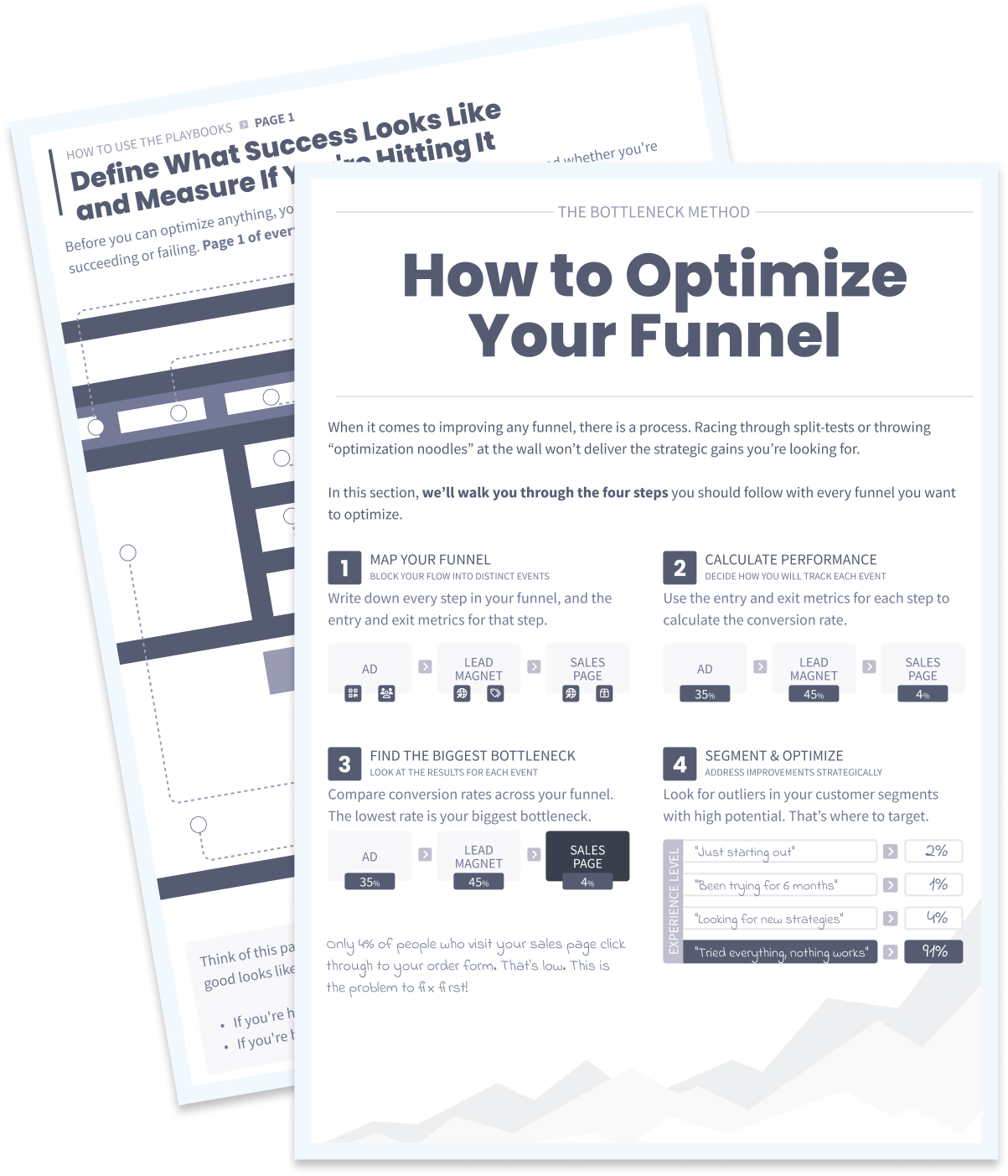
Start your 14-day free trial of SegMetrics today!