
Ishita Agarwal: The new retention playbook (Episode 13)
Is your retention making or breaking your lifetime revenue? In this episode of Data Beats Opinion, we demystify the new retention playbook.

You’ve built an email list. You’re sending regularly. Maybe you’re even tracking results. But are you actually getting what your list is worth?
Most marketers treat their list like a number on a screen — not like a stadium full of real people with real purchasing power.
In this episode of Data Beats Opinion, Keith sits down with Chris Orzechowski, founder of The Email Copywriter and email automation expert. Chris has driven over $100 million in email sales. In this episode, he breaks down how to find the hidden buyers on your list, why sending more email makes you more money, and how to stop guessing what your subscribers actually want.
Email is going through a seismic shift right now. Here’s how to survive and thrive.
Watch the whole episode on YouTube →
Chris Orzechowski is the founder of The Email Copywriter and West Egg, an email and landing page personalization agency. He’s generated over $100 million in email-driven sales for clients like Rich Dad Poor Dad, The Hustle, and Carnivore Snax — and authored the bestselling book Make It Rain about making money from your email list. Chris sends a popular daily email on copywriting and growth.
Connect with Chris at The Email Copywriter or on LinkedIn.
[00:00] Meet Chris [02:48] Inside an advanced email automation system [04:22] Do you play defense or offense? [06:09] How Chris manages his automations [09:09] How Chris manages his daily emails [14:11] Email 3.0 is here [17:28] How Chris manages his ROAS [20:52] Segmentation strategy: Whales vs minnows [21:38] LTV story 1 [24:21] LTV story 2 [31:26] LTV story 3 [33:02] Inside YouTube marketing data [40:21] How to allocate capital like a CMO [43:23] Chris’ triple threat: RightMessage, SegMetrics, Deadline Funnel [48:25] Averages vs real people [51:54] Storytelling secrets [54:45] Understand the money in your list [58:35] The 3 most critical email metrics [1:02:42] How to find Chris Orzechowski
Data Beats Opinion is SegMetrics’ monthly podcast exploring what’s actually working in growth and marketing today. Host Keith Perhac, founder of SegMetrics, sits down with domain experts to uncover practical strategies you can implement — not just theory.
Want to see what is and isn’t working across all your growth channels — including outbound sales, paid ads, deal pipelines and content marketing? SegMetrics provides full-funnel, cross-platform, lifetime attribution so you can see what’s actually driving revenue, not just clicks. And you can test-drive it for free.
Start your 14-day free trial today.
Data beats opinion. Growth beats guesswork. 🚀

Keith Perhac: Chris, so good to have you. I am, uh, I’ve been really, I’ve been looking forward to this talk. I’m excited.
Chris Orzechowski: Yeah, me too, Keith. Thanks for having me. I’m excited. Um, SegMetrics user. Love the product. Love the company. I’m, and I’m just like, I feel like I’m at a point where I’m just so nerding out over all the data and everything that goes into it, because what happened?
Chris Orzechowski: Here’s what, here’s what’s happened to me. Right. Quick little backstory.
Keith Perhac: Let’s do it.
Chris Orzechowski: I started off as a freelancer. I started an email list. I started mailing my email daily, which has been a phenomenal, phenomenal growth flywheel, uh, so many different ways. As I got deeper and deeper into, you know, list growth, having products, a product ecosystem like 17 different products.
Chris Orzechowski: Um, I’m running ads on multiple platforms, organic, on different platforms. It’s just gotten like more complex and you get to a point where. You like, there’s so many different ways that you could take the future of the company, right? And every decision becomes way more important and the data becomes way more important, understanding who you’re talking to.
Chris Orzechowski: I’ve gotten to the point sometimes on my list where I’m like, I’ve sent an email about every single topic I know. Like, what do people want? What do people care about? Who’s buying? Like, who should I be marketing to? Um, so I’ve just like personally been on this journey over a while where I kind of started off as a very basic email marketer.
Chris Orzechowski: And basic definitely works, right, where you’re sending an email every day, but the next level up is what if you have multiple sequences going to different people and you’re sending an email every day. And you have eight different sequences running, right? Like that’s when stuff started really getting crazy for me.
Chris Orzechowski: And, um, so yeah, I’m excited. I’m excited to dive in and, and just get into all this,
Keith Perhac: I have this whole list of things I wanted to talk about and you just picked on something that is really core to my thought on email marketing, which is, and you have the daily email, which is a lot more than a lot of people send.
Keith Perhac: People mainly send weekly or maybe twice a week at most daily, is a commitment. It’s a huge commitment. I do want to dig into that in a second, but one thing you mentioned there is you have other automation sequences running. And you don’t, you have to, when you’re running those automation sequences, make sure that A, they’re not stacking on top of each other.
Keith Perhac: So I’m not getting an offer for product A and product B at the same time, but also that my daily email is not annoying people because they’re also getting these six other emails in a nurture sequence. You want, I guess annoying isn’t the right word, but you want to keep that sequence pure because you have a narrative that you’re trying to, to, to explain and to bring about to the reader.
Keith Perhac: And then if you have your daily emails talking about something else, you’ve suddenly built off a branch. So how do you even think about that? How do you think about, what do you do there?
Chris Orzechowski: So there’s a few different ways that I approach this. Um, and one of the, so, so one of the factors that goes into it is like your overarching promo calendar.
Chris Orzechowski: Um, you know, sending an email all a day. Yeah. It does sound like a lot. And I guess maybe for some people it is, but. For me now, after doing this, look, I’ve been sending an email every single day since like, I think January of 2017. I started my list in 2016. I, I remember I got up like 55 subscribers, then I got to like a hundred, and then I think I got around to like 200 and change and I started doing daily.
Chris Orzechowski: And so I’ve just been, you know, like for me now, it’s like part of my DNA, it’s like, you know, I almost like kind of get the shakes if I don’t get to the keyboard soon enough. ’cause I’m like, I gotta get this email out me. Like it’s, you know, it’s welling up inside. It’s gonna like, I need to type, I need to type, you know.
Chris Orzechowski: Um, but the thing is like a, that’s the most important thing that I do for a number of reasons. Because what everyone does is like, they start their day on the defensive, they start their day reacting, and I start my day on offense, right? So I wake up and I make money appear, and that’s the first thing that I do.
Chris Orzechowski: And, you know, there’s a lot of ways to do this. You could have ads that are doing that and that’s fine. You could have automations that are doing that and that’s fine. And, and some people they. Focus all the time on ads and everything is automated and there’s a lot of different ways that this kind of splices out, but for me, it just like sets the tone for a day.
Chris Orzechowski: I’m like, I wake up, I make money appear. I call it paying yourself first. Right? Like that’s the first thing that happens. So even if everything else, hey, the rest of the day is terrible, maybe like, you know, I get, uh, uh, charge back and then I get, you know, I owe money to the state of New Jersey for some stupid tax thing.
Chris Orzechowski: And like all these things happen. It’s like, at least I made money appear and at least I did something positive, right? Not only does that happen, but now I have a messaging asset. So a lot of days what I’ll do is I’ll just take whatever I wrote as my email and I’ll post it on social media. I’ll post on Twitter, I’ll post on LinkedIn, Facebook, whatever, and everyone’s like, I don’t have time to create content.
Chris Orzechowski: I’m like, yes, you do. You write an email, you repost it. Like if what you’re talking about is important. Everyone’s gonna like it. So you have your overarching promo calendar, right? And you probably have, maybe you’re doing some launches, maybe you have some Evergreen products, or maybe you just have one product, or you have one product with three levels, you know, do it yourself, done with you, uh, done for you different levels.
Chris Orzechowski: Um, and there’s kind of like times when you’re promoting those things harder in times when you’re, you know, not promoting them as much. Then you have all this like, filler space in between. So the way I look at this is that I know I have like set, like I do this, I have a program called Write Yourself Rich.
Chris Orzechowski: It’s about daily mail, obviously, right? Uh, we do a big launch in October with affiliates and everything that’s like set, that’s set a year in advance. I know we’re always gonna do that. And then I have, you know, okay, in September I launched a new product. Maybe I’ll do one in February. So some of those things go on the calendar.
Chris Orzechowski: But in between those big promos where I wanna direct everyone’s attention to it, because either it’s a new thing or it’s a big thing that is applicable to everyone on the list. I’m like, okay, well now there’s an opportunity to kind of segment, put people down. It’s almost like when you would read those, choose your own adventure books when you’re a kid, right?
Chris Orzechowski: It’s like. It’s like, uh, you’re in the castle. It’s like if you’re gonna pick up the sword and fight the monster, you gotta page 17. And if you’re gonna run away to safety, you’re gonna go to page 43, right? Like, I give everyone opportunities to choose their own adventure in terms of how they’re gonna interact.
Chris Orzechowski: Now, a lot of the stuff in the past, I would do it manually, and I’ve gotten smarter about that, and I’ll talk about that in a second. But a lot of times the simplest way to do this is just you have a trigger link for your product page. So like, I have a course called Double Your Deliverability. And I mean, then it’s kind of self-explanatory.
Chris Orzechowski: Helps you increase your deliverability, get in the primary inbox. I know not everyone’s interested in that, or maybe they’re interested in it, but like it’s not a right now problem. It that’s fine because it’s kind of like, um, you know, you have an orchard, not every piece of fruit is gonna ripen at the same time.
Chris Orzechowski: Right? And that’s always the analysis that I use. Some are gonna ripen a week later, a month later, whatever the case might be. Um, I know if you click that link today. You’re probably at least a little bit curious, right? And if you’re at least a little bit curious enough to click the link and be like, huh, what is this?
Chris Orzechowski: Or, oh, I think I need this. What that tells me is that you are in market. So if you’re in market, I’m gonna. Put you into a sequence. That’s the Double Your Deliverability sequence. And what I did, everyone’s like, oh, well this sounds like a lot of work. I gotta write a new sequence and I gotta write the daily email.
Chris Orzechowski: Now, all I did was I looked back and I had a team member help me with this. We looked back through 3000 emails that I had sent over the last seven years, and I said, we’re gonna break ’em down by product type this. These were all the emails we sent for Double Your Deliverability. These are all the emails we sent for the Scale While You Sleep book.
Chris Orzechowski: These were all the emails we sent for across like 17 different products. And what I did was I said, we’re gonna take the greatest hits and put ’em into a sequence. Because if it worked well as a broadcast and it’s evergreen, like if someone joins today in December of 2025, right? They weren’t around for the email in April of 2022, right?
Chris Orzechowski: Does that mean that email’s bad? If of course it’s not a bad email. If it worked then and it’s evergreen, then why wouldn’t it work? So what you do is you just take the best emails, you put ’em into a sequence that goes out daily, and then you just follow up with people till they buy and. Crazy thing. Crazy thing happens.
Chris Orzechowski: People buy, they don’t need a deadline. They don’t need a discount because you’re putting something that, hey, you’re clearly interested. You click on, they already said
Keith Perhac: they wanted,
Chris Orzechowski: they, they said they’re interested, they clicked on it, right? So we just follow up. But what you could do is if you’re just kind of just promoting, picking any products from a catalog and just promoting them intermittently, whatever, you just scrub them out from the main daily sequence.
Chris Orzechowski: They go through that sequence. And then I have my segment set up where as soon as they go through that sequence, if they buy, they get pulled out. Obviously, if they don’t buy, that’s fine. They’re at least educated. They at least got, you know, 12 emails in that sequence to where they learned more about the product.
Chris Orzechowski: They saw some testimonials, they learned how it worked. They learned about their problem, about the solution. So they’re more likely to, in the future, buy if I ever run a sale or if I ever promote it again.
Keith Perhac: So, quick question, and I’m assuming the answer, but are your automated sequences also daily emails?
Chris Orzechowski: Yes.
Keith Perhac: Mm-hmm. So this, this is, this is the core of it to me, which is, you’re not, it’s, it’s seamless to the user, right? Because they only know I am getting a daily email. And all you’ve done is, and I say all you’ve done, what you’ve done is you have moved them from the base generic, Hey, this is what’s happening today.
Keith Perhac: Daily emails to a curated list of still daily emails. So as far as the user is concerned, you just happen to be talking about the very thing that they’re interested in, and they have no clue that they are not getting the standard automated emails. They’re, or the, the standard daily emails. They’re getting a curated list.
Chris Orzechowski: Yeah. And that’s why it works so well, because it’s, it’s relevant, it’s, it’s relevant, it’s timely. Right? Because I mean, especially in the context of deliverability, like if you wake up tomorrow and if. You know, your email open rate dropped from 40% to 12%, which happened to me one time. Um. You’re like, oh crap, I gotta do something right now.
Chris Orzechowski: So like, you’re in market. It’s not like, Hey, I’ll send you an email today and then like maybe two weeks from now I’ll send you another one. It’s like, no, no, no. Like I am in, I need this now. Like, you know, and maybe, oh, I, something got in the way. I, you know, had a thing with a team member, whatever, and like you forgot about it and then get interrupted.
Chris Orzechowski: A lot of this was instructed by all the work that I’ve done in the e-commerce, uh, world, because. Browse abandonment, cart abandonment. Like those are huge issues. Like there’s trillions of dollars. I think the figure is worth of like, or maybe hundreds of billions of dollars worth of like abandoned carts every year.
Chris Orzechowski: Just people who are like, oh, I want this. And they just don’t check out. Like there’s so much money there. And like one of the things we did as at my old agency was those are some of the sequences we would build. We would just do this and we would follow up every day. And other PE I’d look under the hood of some of these people’s accounts and they’re like, yeah, we have one email that goes out, you know, two days later and the next one goes out three days later.
Chris Orzechowski: I’m like, they said they wanna buy it. They put it in the cart.
Keith Perhac: Yeah. They’re, they’re three days later they’ve forgotten. They have, they’re just gone at that
Chris Orzechowski: point. They’ve already bought from your competitor by that point. Like, why are you waiting? You know, and, and people they say, and you mentioned before like.
Chris Orzechowski: I don’t wanna bother them. I’m like, I understand that as a concern in general, but the thing is like, these are all based on intent. And I actually call these intent sequences, right? Because you’ve demonstrated intent that you’re interested. So it’s not like you’re just hitting everyone with these things.
Chris Orzechowski: Um, most of your emails are probably good, you know, if you’re writing good email copy, you’re, you know, telling stories or teaching things like then people like that stuff. They signed up for a reason. Dan Kennedy has that saying, I’m sure you’ve heard it before. He goes, people walk around with their umbilical cord in their hand looking for somewhere to plug it in, right?
Chris Orzechowski: It’s like, mm-hmm. Why are they on your list in the first place? They’re on your list because they’ve identified that they have a problem and you are someone who they’re hoping. Everyone’s secretly hoping, can you please help me? Can you fix it? And people are very timid. They’re very timid. They don’t want to bother people.
Chris Orzechowski: But we live in this world now where there’s just so much media, everyone’s so plugged in. Like if you’re not following up every day, you’re kind of missing. You know, like people will forget about you.
Keith Perhac: I think the algorithm with Twitter and stuff has brought this in is like it used to be, yeah, you could tweet once a week or maybe twice a week or something now because there’s so much stuff and it’s all flowing off of the screen so quickly.
Keith Perhac: Like if you’re not tweeting every day or multiple times a day, then you’re exactly right. You’re not getting picked back up. And you’re not being seen. And it’s the same with the emails. I have billions of emails in my, um, in my inbox that I would read it during the day, but as soon as I’ve missed that day, I’m not coming back.
Keith Perhac: Right? And so I really do feel the daily. Cadence that you have. And I mean obviously it’s, it’s the foundation cornerstone of, of your marketing business, but like I feel that that is a huge benefit for you because there is this, there’s never for, for us, we email I think once or twice a week, but if you’re in a sequence, we’re going to be mailing probably once every day and, uh, around that.
Keith Perhac: And so it’s very obvious that you’re in something that you’re not in the general conversation. And I think that there’s a huge superpower of. Not knowing that you’re in something special, right? To just think this is the normal cadence and oh, this is interesting. We’re just happening to be talking about the thing that we’re interested in.
Keith Perhac: I, um, many years ago, I, I used to do work for Ramit Sethi and I met a guy in a bar and we were talking, and he just loved Ramit Sethi. And he obviously says, oh, you work for Ramit. Oh, I didn’t, you’re doing that sale launch right now, aren’t you? And we weren’t. Um, but I realized he was in one of the automated sequences.
Keith Perhac: I was like, oh, yeah, yeah, yeah, we’re, we’re totally running there right now. But him, it was a a hundred percent live. It was legit. It was, that was the reality that we had projected. And that’s the, that’s the superpower, I feel.
Chris Orzechowski: Yeah. And, and nowadays, like this is my big thesis. Um. For a working title For what I’m calling, this is like email 3.0.
Chris Orzechowski: Right. Like for, you know, you and me have both been around for a while in this game, right? Like it used to just be email 1.0 where it was like. Based on the promo calendar. Everything was based on the promo calendar, right? Um, and then the automations got a little bit smarter. You know, some of that messaging became more omnichannel.
Chris Orzechowski: Like in e-commerce you might see, you send an email, then you send a text, then you send a postcard, right? Or you send an email, then they go into retargeting pool for that promo or whatever. But email 3.0. You know, you look at your social, like, if, if, if I held up my Instagram feed compared to your Instagram feed or Twitter feeds, you know, they would look different.
Chris Orzechowski: I mean there, there’s probably some overlap. You know, we’re both in the marketing world, obviously there’s probably some mutual accounts we follow, whatever. But you’re gonna have different stuff in your feed than my stuff. Like the whole world is kind of media world. Media landscape is becoming personalized.
Chris Orzechowski: I mean, connected tv, programmatic TV advertising, right? Like even TV commercials are now becoming, well, we know you like this stuff, so we’ll show you more commercials based on what you’re likely to buy and what you’re interested in. So the whole world is moving that way. But email. It’s kind of like behind in in that regard.
Chris Orzechowski: And there’s so many different things that you could do from a perspective of automation and personalization segmentation that I think over the next really 12 months to, you know, 24 months, we’re gonna see a lot of companies start getting things more segmented, personalized, automated. And people are gonna be going down more of these journeys because you kind of have to, because you know, I look back and a lot of these like older, like internet marketing people that I’ve followed, that like email just wasn’t what it used to be back in, you know, 2008 or whatever.
Chris Orzechowski: Holy, well of course that was almost 20 years ago. Like obviously the landscape has changed a bit, but they used to say it was just like shooting fish in a barrel and you could still make a lot of money with email. But I had one guy, um. He’s a customer of mine. Really good dude. He owns an eCommerce business, and he was like, Hey man, I love your stuff.
Chris Orzechowski: When you talk about email and eCommerce, whenever you talk about digital products, I just tune out. And he wasn’t like, you know, being a jerk about it, he was just like, Hey, I’m just letting you know, like, love your stuff, but this stuff I just don’t pay attention to. And I was like, yeah, and I don’t blame you.
Chris Orzechowski: It’s perfectly valid, you know, point that he was making on
Keith Perhac: what you’re
Chris Orzechowski: interested
Keith Perhac: in.
Chris Orzechowski: Yeah, yeah. It’s, you’re, you’re not interested in it and, and nor should you be, you’re not gonna sell a digital product to your, you know, e-commerce somebody. And it’s like, it’s totally fine. But it just like little interactions like that, that I’ve had, I was just like, man, like I just need to get smarter.
Chris Orzechowski: And really every company needs to get smarter because if you’re not. Hitting people. Everyone’s like, oh, people aren’t opening, they’re not paying attention. I’m like, well, there’s probably a reason for that. And the reason is it’s just not relevant. It’s not for them. You know,
Keith Perhac: I mean, especially in, we’ll call it the before times.
Keith Perhac: It is like there was a very, it was a very small pond, right? And if you want information on how to write copy that sells, there’s probably two or three people out there that you would follow. And it doesn’t matter that you’re an e-commerce and they’re selling digital and they’re talking about digital products ’cause they’re the only game in town.
Keith Perhac: And now though, there’s so much competition and people have been, like you’re saying, conditioned to be really niched in and content, um, content creators and copywriters and thought leaders are very niched in. And so. People, I think in the past as well, did look for that, those signals of, is this right for me?
Keith Perhac: But I think there was so little competition, so little, so few choices that they were kinda like, well, I it’s buy or not buy. Not buy or buy someone else. Right. And so the, the engagement of those emails, and this kind of ties into something that I wanted to ask, which is for the daily email, are you doing any segmentation?
Keith Perhac: So you’re talking about the person who’s like, I just tune out when you do digital product stuff. Have you started segmenting even within that daily email at all? Or how, how do you do personalization within that?
Chris Orzechowski: Um, there’s so many, there’s so many things. So like, first off, like I got to the point also where, um, I was just like, what do these people even want?
Chris Orzechowski: And then I started diving and like, well, what’s happening was I was spending money on ads and, you know, we were breaking even, which is what I wanted. And we were, you know, acquiring or break even. And then selling people stuff on the backend. But there’s always, whenever you’re running ads, there’s always a large percentage of people who are just never gonna, you see, oh, I $2 a sub, this is great, but really you’re paying like eight to $10 a sub because for every person you get who is engaged or who buys and becomes a customer, which liquidates your ad cost, you have two or three or four people who never open anything or they’re open the first three emails and they disengage.
Chris Orzechowski: So I’m a bit of a psychopath. I actually unsubscribe all those people manually. I could bulk do it, but I don’t do that. I go into every one of the profiles. I look and I say, where were they from? What’s their URL? What’s their name? Could I look them up? Gary Halbert talked about this with the, you know, the old direct mail files, like pick out some neighborhoods and go drive around the neighborhoods.
Chris Orzechowski: Mm-hmm. What kind of cars are in the, in the driveway. Right. So I do that digitally with my list and it hurts when you’re spending your own cash and you’re seeing these people come in and you’re like, I wish I knew what they were looking for that I didn’t give them, and who they, who they were, and could I have bucketed them better?
Chris Orzechowski: Right. So that was, you know, over the past few years of just spending, you know, $10,000 a month plus on ads, I was like, you know what, maybe we should find a way to make this more efficient. Um, so a lot of it has been me going through and saying like, well, who are these people? How do I bucket them for me?
Chris Orzechowski: Identity is really like the big thing. Like I have a lot of, I’d say 58.2% and I know that because of RightMessage. Uh, 58.2% of my people sell marketing services. About 26% of them sell, uh, online courses or coaching. I think about 8.3% are e-commerce. I have like 2.3% are SaaS. Uh, I think I have under one, maybe like 0.8% of brick and mortar.
Chris Orzechowski: And then the rest are just categorized as other, just various other types of in, you know, internet businesses. So I started looking at this and I was like, okay. There’s a few things here. Number one is now I could say, okay, well if you are a freelance copywriter, I’m not gonna send you any emails or any campaigns or any sequences or any daily, you know, launch promos for anything about work with my agency, because you’re not gonna work with my agency.
Chris Orzechowski: You’re not gonna hire my agency for your freelance copywriting business obviously. If you own an e-commerce brand or a SaaS business, I’m not gonna send you stuff about, here’s my client acquisition book that teaches you how to get clients without cold email. Like, why? Why would I send you that? Like, there’s no point in me sending you that, right?
Chris Orzechowski: So I started bucketing these people and putting them into different campaigns. And yes, there are days where I’ll write two daily emails, or sometimes three, because I’m like, this one’s gotta go to, you know, the wa the potential whales. This one’s gotta go to the copywriters or, or it’s an affiliate offer for them or whatever.
Chris Orzechowski: And this one’s gotta go to everyone else. Or I’ll put a section them into a sequence and say, okay, for the next 20 days, they’re in the sequence. And that can focus on everyone who’s not in that sequence. So it is a little bit of like blocking and tackling, but that’s also where the incremental gains come from, because now everyone’s getting the offer that they need, the content that they need, and they start buying.
Chris Orzechowski: ’cause what happens is, otherwise you look at like a 52 week calendar year, right? One week, I’m talking about this week two, I’m talking about this week. I’m talking about this, you know, offer C. Week four is offer D. If someone is only interested in offer D, they have to sit through those three weeks to get to the week that they’re interested in.
Chris Orzechowski: But when you do it this way, when you’re a little bit smarter about the segmentation you have, you have an opportunity to compress the sales cycle. So instead of them waiting four weeks, you waiting four weeks to make that sale. You can make those sales in week one when they’re going through the sequence at the right time.
Chris Orzechowski: ’cause it’s relevant for them. And this is, it’s super important for. When, especially when you’re spending money, you know, if everything’s organic and you’re getting free leads, you don’t care as much. But when you’re paying your own cash, it gets super duper important. And the other thing too that’s really important about the segmentation stuff is that there’s whales and there’s minnows, right?
Chris Orzechowski: I’ve had people who’ve come in and they spend tens of thousands of dollars with me. I’ve had people who come in, they spend $1 with me. You know, I’ll, I’ll offer a book for a dollar periodically. And some of those people who spend a dollar, they never come back. And you don’t know like who these, you know, you need to know who these people are, what are the characteristics?
Chris Orzechowski: And then you need to know who the whales are because then you could take the whales, you could identify the segment of whales, the big spenders, the people who you know, purchase X amount of times, or what specific products, and say, well, who are these people? What do we know about them? What are the things in common?
Chris Orzechowski: And can we loop that into our front end acquisition campaigns? And you need to know also what is the timeline? What is the time to conversion? And what is the LTV? You’re gonna laugh at this story. You’re gonna appreciate this especially years ago. Back, I think it was 2020 or 2021. We were doing ad campaigns.
Chris Orzechowski: We were doing uh, lead magnet campaigns. We had a book funnel and a tripwire funnel that we’re running on Facebook. And you know, the book funnel was like, uh, 0.5x to 0.8x return on the front end. It wasn’t great, but it was okay. We kept it running. We lost a little bit of money, but we were getting some clients from the back end.
Chris Orzechowski: The funnels break, even the lead magnet funnel, we were making a little bit of money, not too great. After about a year and a half of running those ads at around those, those ranges, I turned the ads off. ’cause I was like, not only are we paying this, we’re losing a little bit on the front end. I know we’re making some sales, but I’m also paying a consultant to help me and one of my team members.
Chris Orzechowski: So there’s, you know, some labor costs involved there. Credit card processing fee that said, I dunno, I think we’re losing money. We, I actually sat down with a coach and he had me take a spreadsheet out and this is the part you’re gonna laugh at. I took a spreadsheet out, I analyzed about 300 of those buyers who came from those ad campaigns.
Chris Orzechowski: And we realized that over on day 45, those ad campaigns that were slightly negative turned to a 1.15 return. And the thing that really made me want to just like, you know, light myself on fire, ’cause I was so angry, uh, just punched myself in the face repeatedly, like, I’m so dumb for doing this. But over 12 months, the lowest performing cohort was a 6.4x return over 18 months.
Chris Orzechowski: The highest was, was it like a, a 12x? Yeah. And I said, oh my gosh, I should have borrowed money to pump into those ad campaigns. Yep, yep. But I didn’t know this and I tracked it badly. I had to go. Subscription
Keith Perhac: tracking is tough. Yeah. I mean, all the ad platforms, they re they report on seven days that you can’t go up beyond that because of privacy and because of blah, blah, blah and all this stuff.
Keith Perhac: But you have all that data in your CRM, you have it in kit, you have it in ClickFunnels, you have it like, and that’s the, that’s the thing is that the, the money you get back from a lead, especially in businesses like ours, which are long-term nurture education businesses. The value is six months down the line, 12 months down the line, 18 months down the line.
Keith Perhac: We just had someone sign up today that has been on our list for five years. They’ve been listening to us constantly and they just signed up for, for a scale account today. Right. It’s this long process because we have to, you know, you were talking about, it’s not just overcoming objections, it’s being at the right place, at the right, right time.
Keith Perhac: It’s like someone has to raise their hand and say, I’ve been listening to you for six months, for 12 months. I am now ready to look at deliverability. And that is the right product for me now. And then you get to have that sales conversation. Um, now there is the opposite of that, where some ads never break even, but yeah, of course you do have to look at this longer, this longer date wrench we had, we were working with a client, uh, back in the agency days, and we had done this huge promotion.
Keith Perhac: We were on Yahoo News Finance. Um, we were getting, I think it was like a thousand leads a minute or something like that. It was insanity. Like it was pure insanity. And the value of those leads was like a penny and a half.
Chris Orzechowski: Yeah. Mm-hmm.
Keith Perhac: And we were like, this was worthless. This was horrible. This was miserable.
Keith Perhac: I hated doing this. This was, this was all bad. And then we decided eight months later, six months, eight months, something like that, to re, to revisit the lead value. And the lead value was $2 and 30 cents. So it took them a long time to get there. But the lead value was $2 30 cents for something like a hundred thousand leads.
Keith Perhac: And so was this valuable? Yes, it was. Yeah. Was it valuable in any timeframe that we would normally be able to track with Google Analytics or anything like that? No. Not at all. Right. Like that’s the, and that’s the magic, that’s the, that’s the real magic of being able to understand your audience and track it through time.
Chris Orzechowski: Yeah. And people don’t like. It’s hard when, it’s hard when you’re in the driver’s seat too, right? Like when you’re, you’re looking at things and you’re making decisions, and you’re a founder, and you’re like, should we be on this platform, this platform is this one performing? Like, and I’ve, I’ve struggled with this and that’s why like, I, I say this because I’ve had all these problems.
Chris Orzechowski: Like, I’m like, maybe I should do more on YouTube. Maybe I should do more here. Mm-hmm. And the, the number one thing that always comes back to is like, do you even know what’s performing and how it’s performing? Because like, if you don’t know, you could have a million ideas. You could be on 20 different, but like, it might not all matter.
Chris Orzechowski: You know what I mean? Like really the people, you know, you’ve, everyone’s heard the, the saying like, one channel, one year, one funnel, one product till you hit a million dollars. Right? And like, I remember I heard that years ago. I was like, yeah, but that’s not me. And like, well, it should be, you know, like, why don’t you just do that?
Chris Orzechowski: But, well, the hard part is because, well, I don’t know what channel. Right? And that’s the first thing you gotta decide.
Keith Perhac: Th this is the thing that kind of gets me a little bit is that you talk to people who are successful. Who are, who have made it. And they’re like, yeah, you have one channel and one product.
Keith Perhac: And you focus on that. And they, they kind of leave out the fact that before that, before you find the one channel, you had to try 800 channels. You had to try 30 different products, you had to try a lot of stuff. ’cause you don’t know, you have no idea when you’re starting, if this is the one channel and this is the one product.
Keith Perhac: And so I, I think, um, Lars Lofgren, uh, said it best when I was talking to him, he was saying that it’s an 80 20, not a single channel, right? So 80% is going to come in this one channel, but you need to play in the other channels because my God, what if there is a new channel that has outsized results? And you want to be able to be testing that and knowing what’s happening there.
Keith Perhac: Because if you’re just focusing on this one channel, so SEOI think is a great example if you’re all in on SEO and the algorithm changes. Your SEO tanks, which I’ve had many friends that have had that happen. And you don’t have any other channels, you’re kind of screwed, right? Like, and ads are the same way.
Keith Perhac: I’ve had people who are all in on ads and then ad rates went through, something changed in the ecosystem, ads dropped like a rock, and now they’re out of luck
Chris Orzechowski: or what’s even worse is when the numbers don’t change, but the quality drops off and everything looks like it’s fine. ’cause I, I’ve had clients like that before where they’re like, yeah, we’re still getting the same amount of leads, still paying the same amount.
Chris Orzechowski: But, um, you know, then they’re getting on phone calls with these people and they’re like, you know, it’ll be, I had one client one time, um. They were on a phone call to prospect, and the person’s like, oh, I actually have no money. Like, you know, we, we live in a trailer park or whatever. It’s like, you know, it was like a high ticket coaching thing.
Chris Orzechowski: They’re like, how did you even get here? You know? But it, again, everything looked fine on the front end. So like,
Keith Perhac: yeah.
Chris Orzechowski: The data, it, it’s like you can be a vibes guy and I’m very much a vibes guy, right? Like, I, I operate that way. I gut instinct. Mm-hmm. And that served me very well. But at a certain point, you have to integrate the data and you have to know what’s working.
Chris Orzechowski: And I do agree, like, yeah, you do have to try the things. One, one clarification for what I said before is yes, try things. But when you then make the decision to what you double down in, that’s where the data really becomes important. Because what I always tell people is like, any channel can work. Like you can make any channel work, you can make Instagram work, you can make TikTok work.
Chris Orzechowski: The, you can make any, you can make ads work, you can make list swaps work, affiliates. All of those things can work. But where are you getting the best return for your dollars? And like, I remember I was, uh, doing some fractional CMO work for this cattle ranch a while back. And our Facebook ads were working, we’re gonna get 10x ROAS.
Chris Orzechowski: I mean, you were selling cow shares, right? So like someone’s buying a $3,000, $6,000 cow share. It doesn’t cost $1,500 to get those sales. It costs, you know, two, three, $400 to get one of those sales. It’s not like the, the, the. Acquisition cost scales with the price of the product, which is nice in that market.
Chris Orzechowski: Um, but you know, the, the people on the team would approach me on different things. I said, can you beat the 10x ROAS with this new channel? And they’re like, I don’t know. I don’t think so. I’m like, then we’re not gonna do it. We’re gonna take those dollars and just pump ’em back into Facebook. Like, unless you could beat this metric, it doesn’t make sense to spend anywhere else at this time in this phase of the business.
Chris Orzechowski: And a lot of people don’t think this way, but like, you need some bread and butter channel where you know your numbers and you know your metrics, and you have at least some semblance of predictability to say, we could just hit the gas pedal harder in this direction. And when you do that, you tend to grow.
Chris Orzechowski: But I’ve, I’ve been there before and it’s like, maybe I should be here. Maybe I should be there. So, because the reason you jump around like that is because you don’t know, you don’t have any visibility to any of this stuff. Even with emails, I’ve had people. They want me to take a look at the automation and it’ll be, they won’t have multi-touch attribution, right?
Chris Orzechowski: So if they’re using something like ConvertKit, which I love and use and pay for, and it’s amazing tool, uh, and even some other platforms, they’ll be like, can you look at this sequence? I’m like, I’ll look at it and I’ll tell you my professional opinion on it, and I’ll say, I think I like this email. I definitely don’t like this one, but really at the end of the day, my opinion does not matter as much as what are the numbers telling you?
Chris Orzechowski: I mean, I could kind of back out kind of correlate like, okay, this one had really high click rate. I think the sales are probably coming from there, but even then it’s like. That’s still just a guess. Like it’s probably directionally accurate, but really at the end of the day, you don’t know. And then if you start moving things around, well maybe the reason this email performs to well is because this one had low, low performance, pre-frame them properly to see this one.
Chris Orzechowski: But again, you don’t know if you don’t know the numbers.
Keith Perhac: And I think, um, you brought up something really interesting there, which is that gut feeling, the vibes. Right. And I, I fully believe in vibes like the, the, that is why we are founders. That is why we are creating this, because we have a mental understanding of this.
Keith Perhac: But for me especially, it’s based on data, right? Like I have, it’s that gut check, right? Like you can have like vibes based on data are so much more powerful than vibes alone, right? I guess is my, is my kind of, if I was to put that all together, the, I had, um, I was working with this company. They were a SegMetrics, uh, customer and they, they were in the same incubator we were, and they were talking about, they were running about $40,000 of Facebook ads a month.
Keith Perhac: And on top of that they had an ads manager. So let’s say all in about 50 k and. They messaged me on Slack and they were like, Hey Keith. Um, our ads manager guy is saying that all our ads are performing really well. Uh, he shows us what’s going on in Facebook, ad manager, everything looks great, but SegMetrics is showing like zero new trials from them.
Keith Perhac: Like, we get trials, but they’re all worthless. Like they, they never convert. We’re not getting any new conversion from them. And I was like, oh, that’s, that’s weird. That’s, that’s worrisome. And he says, yeah, so we’re gonna turn off Facebook ads ’cause we trust SegMetrics. I’m like, oh crap. Oh crap. Oh crap.
Keith Perhac: Oh crap. Because no matter how much I trust the platform, like that’s, it’s a lot, right? It’s a big number. And so I’m like, I, I will trust it. Let’s, let’s go with it. He, they turn it off. No change in trial, no change in converted trials, no change in revenue, no change in lead value, none of that stuff changes.
Keith Perhac: And they pull back $50,000 a month in ad spend that they were wasting.
Chris Orzechowski: That’s over half million dollars a year of just profit. You know, like it’s a lot of
Keith Perhac: money and they’re not the only ones. We’ve been seeing this all over the, especially the B2C ecosystem. Like,
Chris Orzechowski: yeah,
Keith Perhac: it’s been interesting.
Chris Orzechowski: Yeah, I mean, you, you have to have this stuff dialed in, like, you know, it’s just, even like, I, I’ve thought you like with YouTube, I’m like, maybe I should just go on on YouTube.
Chris Orzechowski: But again, data, I mean, data comes in many forms, right? It could be your actual direct attribution. Like I get leads from YouTube, I get leads from my channel, which is okay. I don’t have a great YouTube channel. I’m just, I don’t know, maybe I can make it great. It’s not exceptional. It’s okay. But I get leads from other people’s YouTube channels and.
Chris Orzechowski: It’s weird because it seems like the people who come from other people’s YouTube channels tend to be better buyers than some of the ones that come from my own. And that could be for any number of reasons, but I was like, maybe I should just go on on YouTube. But then I was looking and I was like, let me look at email marketing channels on YouTube and.
Chris Orzechowski: There really aren’t any, and it’s kind of weird, you know, and I’m like, I’m searching all these, I’m searching big, uh, like some of my friends who are like, Chase Dimond is one, right? Like he has 300,000 people on LinkedIn. He’s a great dude. He owns an agency. Very smart guy, right? I think his YouTube channel had like 4,900 subscribers.
Chris Orzechowski: And I’m like, okay, maybe he doesn’t put a lot of focus, but I’m like, still, like everyone knows who this guy is. You know what I mean? Yeah. And then I’m looking at other, I’m searching terms for, you know, email marketing list growth, like this kind of stuff. And there’s really not a lot of good videos. I mean, so the videos might be good, but like the highest one is 15,000 views number, number wise.
Keith Perhac: Yeah.
Chris Orzechowski: Number wise, right? So I’m like, is it really smart to go all in on that one channel? If that’s what the data is showing me from other people. And no one else is finding success. But if I talk about like, here’s how to start a digital product business, boom, there’s video 1.1 million, 800,000, 4 million.
Chris Orzechowski: You know, so the numbers matter.
Keith Perhac: This was really interesting ’cause I, I forget who I was having this conversation with. Um, it might have been Ken Kazaki. But anyways, um, we were talking about, so I was doing some research for what types of videos are people looking at for funnel marketing on YouTube? Right.
Keith Perhac: And so what I did is I went in and I did optimize marketing funnel. That was my keyword. And I sorted by number of views and besides a couple of obviously spam boosted ghost posts, whatever the top video was by Russell Brunson, it was six years old and it had 400,000 views. That’s it. That was the top video on how to do funnel marketing.
Keith Perhac: And so And was that because of the thumbnail on the title and the content or was it because of Russell Brunson? No, it’s because, you know what I mean, no one’s, it’s a niche market. Even when we think marketing’s huge and it is, it’s still super niche when we’re talking, when we’re trying to compare it against something like B2C.
Keith Perhac: Right. And so those numbers don’t match up. And, but one of the things I was talking to Ken about, and this was interesting, I was like. He was saying, I don’t care that my videos only have a thousand views, 2000 views, whatever, because they’re the right 2000 people. And it’s not the number of how many people are looking at it, it’s how many of those people are engaging and converting, and he’s seeing, he does mainly Instagram, but he’s seeing great conversions through those videos because of the engagement that he gets from them.
Keith Perhac: And he has the right 2000 people looking at them. But if you look at the raw numbers of like, oh, there’s 2000 people who have watched this video, it, it’s a little depressing. Right. So
Chris Orzechowski: is, is he, is he tracking discovery versus new, uh, excuse me, versus existing customers? Does he, does he have a SegMetrics set up?
Keith Perhac: He does not have SegMetrics set up. Uh, I, he was, he was at our launch event in Japan. So he is, uh, he is currently on that. Ken, if you’re watching this, uh, we’ll get you hooked up.
Chris Orzechowski: Well, that, well, no, the reason I’m bringing this up, ’cause my buddy Mike Yanda is like, he’s excellent on video. Like his, he, he blew up his TikTok really fast.
Chris Orzechowski: He blew up his, he he got monetized on YouTube in like six weeks or something, or eight weeks. Crap. Like he has like 50,000 subs. Like he, he just knows what to do. Right. And he’s like taking me behind the scenes of his channel. He’s like, see this video, 500,000 views. And he goes, this video made me like three grand and he shows me another video and has like 3,600 views.
Chris Orzechowski: He’s like, this one made me 30 grand. And. So part of it is like, is it discovery content or is it nurture content? So like, I don’t disagree with you about the 2000 and if like their quality, but that’s always the thing that I, and again, when you don’t have data, it’s always hard to make these decisions.
Chris Orzechowski: Like, are those new dollars or are those existing dollars from the existing audience? Right. Or not existing dollars. That kind of just makes, but like, are they, is that money that converted because it was a nurture mechanism rather than discovery? And this is always the hardest part because when you’re growing your list, when you’re getting leads and clients, like you need to know where all these people are coming from.
Chris Orzechowski: Right. And sometimes they have multiple touch points. Sometimes they’ll find you on Twitter, they’ll watch your YouTube, and then they’ll sign up to your list and then, you know, three months later, then they’ll buy because you ran a Facebook ad and like. You don’t know. You have no idea what was the origin, what was the initial source, you know?
Keith Perhac: Yeah. And none of the, I mean, none of these tracking systems are able to do it. ’cause they’re not, I mean, this is the thing that I’ve always had with like the tracking that you see in like HubSpot or Kit or any of the, well, kit now has SegMetrics built in. But, um, but any of the, the systems that aren’t analytics first, and the main issue I have with them is that they are not analytics first.
Keith Perhac: It’s not their core competency and it’s not the thing that they need to focus on or they want to focus on all the time. And when I first started SegMetrics, I was like, how hard could it be? And the answer is very, very, very hard. Like, and that’s the, that’s the thing is that, yeah, like if you sign up for Infusionsoft or you sign up for HubSpot or whatever, it’s gonna show you like, oh, the, they came in from Twitter because that was the last thing, or that was the last thing in the last month or whatever, that they’re able to track and see, but it doesn’t track that full.
Keith Perhac: Journey of, oh, they first saw it on an ad and here’s the exact ad and here’s how much you spent to get them on that ad. And then here’s the Twitter and then here’s the second ad and the third ad, and here’s the blog post that they saw because someone posted on Reddit and they were searching on Reddit and like there, there is no, and then they searched an AI and AI recommended to you.
Keith Perhac: Like there, there is no more of that singular customer journey. It’s this web of, and that’s why I think multi-touch attribution is very important now, but it’s becoming, people still think of multi-touch attribution is people clicked on Twitter and then they clicked on um, an ad and then they saw my blog and then they signed up.
Keith Perhac: And that’s not how it works. It’s this, it’s just this miasma of connect of interconnected things that happen. And some of them are bigger than others, but it’s a web. And what are the web points that are more valuable that then bring people in at the end? And that’s the, that’s the real multitouch to me.
Keith Perhac: Not, you’re never gonna find a happy path through Multitouch because there’s too many variables.
Chris Orzechowski: I, I look at it like, again, I always just think whales versus minnows, right? Like Dr. Sunki talked about this, you said you grow the business by growing the number of whales, not the number of minnows. Right? And like for you, like, if you guys get more enterprise clients, you’re gonna grow way faster because it’s probably cost the same to get an enterprise client as it does to get someone who comes in on the, on the smallest plan and stays for, you know, three days past their trial and then cancels, right?
Chris Orzechowski: Like, obviously. So it’s like, well, where do those people come from? Did they come, did they opt in? Did they all opt in for a specific lead magnet that maybe it doesn’t have a lot of traffic, but it’s, I value people. So like, maybe that’s the thing, you push more, right? And these are always the decision.
Chris Orzechowski: ’cause I take this, uh, from doing like fractional CMO work. And, and, you know, being obviously the CMO of my own business and amongst other hats is like, you’re a capital allocator, right? Like I read a lot of the Warren Buffet, Charlie Munger stuff, and they talk about capital allocation. It’s like, one of the things that Warren Buffet said when he bought the original Berkshire, the textile company, is he said, here’s the rate of return.
Chris Orzechowski: He told the CE he said, here’s the rate of return I need you to beat. If you can’t beat this rate of return, you push all the cash up to the HoldCo, uh, you know, to, to the actual like, you know, home base company. Right. That was very interesting for me. I was like, okay, so he just has sets this bar for the rate of return.
Chris Orzechowski: He says, if, if we can get a better rate of return elsewhere, we’re gonna invest there. And everything you do in marketing is like, what’s the rate of return? Where do you put, you have a budget, you have cash coming in. Where do you get the best rate of return for those dollars? Now there’s a lot of ways to think.
Chris Orzechowski: It could be number of leads, it could be the size, it could be the lifetime value. Those are really the only three variables. You have three ways to grow a business – Jay Abraham. Right? Um, so, but this is the stuff that people don’t think about, especially when they have internet businesses ’cause they think they’re different.
Chris Orzechowski: Or a I am a personal brand and I’m big on YouTube, or I’m big on Instagram. I’m like, this is how my business runs. Like, yeah, but you’re gonna hit a wall at some point and ask me how I know because I’ve hit the wall at some point and I’m like, I gotta get smarter to get bigger.
Keith Perhac: Well, this is the thing that we always look at with people coming onto SegMetrics, uh, who have been doing business for a while.
Keith Perhac: And people always ask, well, when should I come into SegMetrics? And the problem that we see is that people don’t look at data until they have a problem. And then it’s kind of too late because you need to have that historical data of like, well, what’s been happening up until now? But because like you’re saying, people are like, oh, I’m super successful on YouTube.
Keith Perhac: I’m, I’m succeeding. I don’t care about the data because I’m just making money hand over fist. And then you hit that wall and I generally see like a lot of companies hit that wall and the first year to two to maybe five are just all unicorns and, and rainbows and like you’re just making money hand over fist and then something changes.
Keith Perhac: And what you go, what got you to there isn’t getting you to the next step and things are more expensive and now you have a team and whatever that is. Right. Um. And it’s at that point that people start looking at the data and at that point it’s kind of like, well, it would’ve been nice to have all this other information in the past so you knew and you could head this off.
Keith Perhac: And so you didn’t hit that wall. You were able to say, oh, look at this trend that’s happening right now. We need to fix it. It is funny that you, you talked about the, the whales versus minnows and we just, uh, at the beginning of this year, we, uh, went way down market. And so we stopped, we stopped focusing entirely on enterprise and started focusing on, I don’t wanna call them minnows, but on small to medium businesses.
Keith Perhac: And that’s who we, because that’s who we enjoy focusing on.
Chris Orzechowski: But if you have the vehicle, if you have the way to multiply capital to get more, like, that’s fine too. You know what I mean? Like, that’s, that’s how I look at it. I’m like, if you have an opportunity to be like, we could, you know, buy money at a discount essentially, which sounds like you guys do, then like, then you just pour gas on the fire.
Chris Orzechowski: Right?
Keith Perhac: Exactly. 100%. I do wanna talk real quick. So you’ve run a bunch of seven figure launches and you were talking about your own launch, and correct me if I’m, you do one launch a year multi, how many launches do you do a year?
Chris Orzechowski: So for that program, I do like one big affiliate launch, and then this year we did two other, well, we did like a smaller affiliate launch with an internal launch.
Chris Orzechowski: And then I have, I have a lot of programs, so like I’ll usually launch anywhere from two to four new, you know, uh, either workshops or courses or, uh, things like that a year. Um mm-hmm. Although this year, we’ll see, we’ll see how much I do just because I’m, I’m like the busiest I’ve ever been right now, or at least in the last two years.
Chris Orzechowski: Like, it’s like every day. There’s like another client right now, like I have proposals piling up. I haven’t even sent off that. I just like, it’s a good, it’s a good problem to
Keith Perhac: have. It’s a good problem to have.
Chris Orzechowski: Yeah. But like, ’cause, ’cause we’re going after, like what we’re trying to do with people is do like advanced email stuff, right?
Chris Orzechowski: It’s not like, Hey, we’ll write you six emails a month or 10 emails a month. Like that’s fine. And I used to operate in agency like that and there’s nothing wrong with that. But like, we’re looking, I kind of call it like the triple threat of what I’m trying to do with people. Like I want to implement RightMessage.
Chris Orzechowski: I wanna implement SegMetrics so we know what the hell is going on, who are the segments, where, where are the whales, right? And then I think Deadline Funnel is another piece of that where it’s like, now that we have. The lead segmented. We know where the money’s coming from, we’re personalizing everything.
Chris Orzechowski: And then we could automate a lot of it. Like can we just marry all these tools together and create this really awesome, like, can we automate 90% of people’s email marketing? Right? And I don’t know if everyone will need that level of automation, but like, can we automate a significant portion of the revenue?
Chris Orzechowski: And part of this is born outta my own pain points of my own business. Because again, like while I do love writing my email every day, it’s cathartic. I love it. It’s a good creative outlet for me. I also wonder what happens if I get hit by a bus, right? Like it would be nice to say maybe 50% of the revenue comes in automated and the other 50% is me putting my butt in the chair, right?
Chris Orzechowski: Or maybe 60%. Or can we get crazy and go 70%? Like how, like how high is high? You know what I mean? And what happens if. We can get it to 80 or 90%, right? What does the bus, what does that allow me as a founder to do and pull myself out and work on bigger problems? So what we’re looking to do is just do more like mid-market enterprise level companies.
Chris Orzechowski: Just like go in and apply. Like let’s actually get good data. Let’s actually segment, let’s find out who these people are on your list. Like who are the big spenders, who are the low spenders? What are the characteristics we know about them based on how they answered survey questions, what segments they’re in.
Chris Orzechowski: And that’s where I think like the real opportunity is for all these brands. Because again, like email 1.0 it works, but like if you really want outsize results, then you need to know, you know who these people are. You need to know what they want. You need to know why they’re there.
Keith Perhac: I mean, it’s the exact reason why Brennan and I did that personalization bootcamp because that is the future of especially email marketing, but really all marketing, which is how do you understand who is there, how do you understand which segments are performing and which are your whales and minnows?
Keith Perhac: And even within that, what actions do they take? So it’s, it’s, I think for me it’s beyond, I mean, who they are is huge, but I think also what are the, what’s the correct combination of who and what to, what should they be doing to get them across that finish line, to overcome those objections, to overcome those hurdles and turn into, in turn into whales.
Keith Perhac: Because I think that there is the potential for every person on your list to reach that whale status. I mean, maybe not every, but a large portion of people to reach that, if they only could overcome those objections and know how,
Chris Orzechowski: yeah, there’s, there’s always an opportunity to get people to buy again. You know, it’s just you if it doesn’t happen.
Chris Orzechowski: You always like, the frame I always take is like, it’s my fault, right? Like, it’s not their fault, it’s my fault. Like, I did not do an effective job. I dropped the ball here at this part of the journey, or this part of the journey, or this part of the journey, right? But when you take, you know, extreme ownership or whatever they call it, right?
Chris Orzechowski: Yeah. So like, well, when you take that frame of mind, you could say, okay, well how do I make this better? And like, the more you understand about your list, the better. Like, I’m learning so much by doing this stuff, by looking at the numbers, looking at these signup sources, where the money’s coming from. I’m learning about, uh, and I hope you.
Chris Orzechowski: Uh, continue to sell the personalization bootcamp. ’cause it’s awesome, it’s awesome product. Um, I really love it. Uh, and also like who, like what do people need help with? Like, what are they saying? What are they telling me? What are the gaps? Um, when you, you just get to a point with your list when like, you stop looking at it like just a big number on the screen.
Chris Orzechowski: You’re like, who are these people actually? And like, again, not everyone’s gonna have the bandwidth to do this. I do this ’cause I’m crazy. I’m a bit of a psycho. But like, I will go, like every day I wake up the first, even before I sit down and write an email, I say, okay, who signed up since I last checked?
Chris Orzechowski: Are there any URLs I could check out? Let me look at these people. Let me look at their Facebook. Lemme look at their Instagram. You know, just to get a sense of who they are.
Keith Perhac: You’re, you’re hitting on something that’s so, I, I love the phrase that you used, which was extreme ownership, because that’s how I feel about it as well.
Keith Perhac: And I think that. I don’t know if this is like American business or just business in general or what, but there is this idea of like, everything needs to be in a box. And we’re looking at the aggregate of those numbers. So we have a a 5% churn rate or a 10% churn rate, or, oh, we have demos and this percentage of people come on and blah, blah.
Keith Perhac: And I’m like, well, we, we know exactly who those people are. Why don’t we look at them one by one? And so it’s no longer, oh, that person wasn’t a good fit. Where did we fall down? Is it really their fault? Is it our fault? Is it we’re not providing a service? Did we not explain the service? Right? Like, let’s take the fault from them and put it on us and see what that improves the business and the way that we’re communicating, rather than saying, well, they’re not a good fit.
Keith Perhac: Because if you, if you keep saying, well, they’re not a good fit, that’s gonna happen forever. And suddenly that good fit gets narrow, narrow, narrow, narrow, and your number of potential customers lower so much because you’re only talking to this small, perfect fit. Community instead of talking to all these people that are 90% a good fit.
Keith Perhac: And it just takes a little bit more effort on your part to bring them into the fold, kind of.
Chris Orzechowski: Yeah, it’s fun because you make money when you do this. I’m like, that’s the, that’s
Keith Perhac: the best part.
Chris Orzechowski: So many pe it’s uh, I always laugh ’cause like so many people in, in like the online business world are like, I wanna sell without being salesy.
Chris Orzechowski: And they’re all like, they kind of tiptoe around. I’m like, I like doing this ’cause I like getting paid. Like, that’s fun. It is fun. It’s like, you know, uh, and I think that you should, you know, and, and not only do you get paid, but you also help people when you get your solution into their hands. And like oftentimes you put friction between that happening.
Chris Orzechowski: And when you put that friction either through a terrible process that you’ve developed or no process at all, then you stop them from getting the result. And like, if you really do believe in your product, which you know, should be good. I’m assuming if you’re selling it and not you, but everyone, right?
Chris Orzechowski: Like. Why are you putting friction in the process? You should be trying to make things smoother and easier and, you know what I mean?
Keith Perhac: Yeah. It’s, it’s a difference in thought around it, which is a lot of people see selling as you are convincing someone to buy something they don’t need. And I view it ’cause I do believe in the product.
Keith Perhac: I, that’s why we use it internally. And I love the product. I love SegMetrics. I don’t. Feel like I am selling it because people don’t need it. I’m selling it. ’cause it really helps people. And I just want people to be better at marketing at the end of the day. That’s what matters to me, is that people are understanding their list better, understanding their pe, their people and their marketing better.
Keith Perhac: Like, I don’t care if they use us or use someone else, but use someone, dear Lord. Like, and that comes across when you’re, when you’re talking to customers, it’s like, and that’s something that we really put into our demos and our conversations. It’s, it’s a, I hate to use mission statement or whatever, like a core mission at the company, but like we’re very much a, like if someone is looking to solve a problem that we don’t solve or that one of our other competitors might solve better, it’s like go use them.
Keith Perhac: Like we just want you to use something. We just want you to be better at marketing. We’d love it if you use us ’cause we think we’re the best. But then yeah, so, but I think that authenticity that. I think that mental model of I’m not selling, I’m helping really helps sales.
Chris Orzechowski: Oh yeah. Yeah. And, and that’s the thing.
Chris Orzechowski: It’s just getting people to see their problem a different way. And this is a lot of the stuff I do like in my daily emails is like, part of it’s storytelling, right? Like mm-hmm. A lot of what I do, I call it like show don’t tell. It’s like, I’m not gonna tell you I’m good at what I do, I’m just gonna show you what I’ve done.
Chris Orzechowski: And then you make up, you know, your, your mind for yourself. And that’s very effective because, I mean, honestly, like if anyone’s try struggling to start with daily email, like there’s always something going on in your company, right? It could be you’re working with customers, you’re working with clients, you’re developing something internally, it’s like, well, why are you doing that?
Chris Orzechowski: Well, I noticed this shift in the market, or whatever, right? So like, all you do is just show what you’ve been doing, what you’ve been seeing, what you’ve been learning, the wins you’ve been getting, the losses that you’ve had, the mistakes you’ve made. Like it’s super easy to do. And when you take people along for the journey like that, they want to be a part of that.
Chris Orzechowski: And they see themselves. And you know, when you’re infusing everything with story too, that’s just a great way to kind of get the point across without being confrontational. Right. But that’s it. Like, you should be doing this and you should be doing that. It’s like, lemme tell you a story about Bob, Bob was having this problem and blah blah b blah, Bob.
Chris Orzechowski: People are like, oh my gosh, Bob sounds just like me. It’s like, well, yeah, I wrote it for you. You know, like, obviously I know my avatar. Everyone says it’s the funny thing with all this stuff, uh, segmentation, analytics, tracking. Like everyone always says like, oh, well, you know, we gotta have right to one avatar in mind.
Chris Orzechowski: They talk about the exercise where you put the picture up on the wall and this is Susie and she’s 35 to 44, and here’s her problem. Mm-hmm. But then they know nothing about the people on their list. They know nothing about them. They know nothing about who the customers are versus the non-customers. They don’t know anything about these people.
Chris Orzechowski: And this is just the big thing that like I want people to solve because then after, you know, all this stuff. It’s just execution. It’s just like, can we just email every single day? Good topics, good content, demonstrate the points we want, shift beliefs, call to action. Like very simple. Very simple. From an execution standpoint, once you have all that stuff said.
Keith Perhac: Exactly. Exactly. I think there it’s, it’s interesting the show don’t tell. I think stories are the ultimate way to explain things. Like it’s the thing that people remember the most. Like you can talk about facts and numbers and like stats all day. It’s really the stories of, Hey, Facebook was lying to this company and they saved $50,000 a month.
Keith Perhac: Right? Like there, it’s these types of stories that people remember and say and start to think and apply to their own experience and their own situations. Like, oh, maybe I’m like that too. I mean this, but if I just said like, 30% of Facebook ads aren’t accurately tracking, it’s like. I don’t know. I don’t know what to do with that.
Keith Perhac: Is that me? Yeah. I don’t, is that, I, I have Facebook ads is 30%, 30% doesn’t sound bad.
Chris Orzechowski: They don’t see themselves in facts. They see themselves in stories, you know? Exactly. That’s exactly’s comes down to, it’s like, can they put themselves into, because that’s what people do. Like, anytime someone hears any information, they run it through that context and stories just more easily digestible that way, you know?
Chris Orzechowski: Yeah. But yeah, it’s, it’s, it’s fun stuff. I mean, my goal is just to get everyone to like, understand their list better, because there’s so much money in your list. Like, there’s so much, when you think about, like, my list is only 12,000 a hundred and something people, it’s not a big list. You know, I work with lists that have 600,000 people, a million, whatever, right?
Chris Orzechowski: 12,000 is kind of small. But even with 12,000 people, you think about what is all the purchasing power of 12,000 people. Like I, when I wrestled in, uh, at the state tournament here in New Jersey, senior year, there were 13,000 people at Boardwalk Hall in Atlantic City. And when you’re on the mat. With the lights, the big, the big lights, you know, and you look up mm-hmm.
Chris Orzechowski: And you see 13,000 people in the crowd. That’s a lot of people. That’s a lot of people. Like, it’s, it’s hard to fathom. Like, I mean, everyone’s been in big stadiums before, but like 13 thousand’s a big stadium as far as, you know, when you’re, when you’re on the floor, you know, and, but then you look at, when you’re home in your office and you log into a computer and you see 12,000, you’re like, eh, okay, whatever.
Chris Orzechowski: Right. It doesn’t like register.
Keith Perhac: Why it’s 50. Why isn’t not, yeah. It, and this is, this is the thing I, I was talking about, about the, you know, we’re looking at averages, we’re looking at numbers, not individuals. And that’s where I think it starts to fall down because we look at, oh, I lost one per 1% of my list unsubscribed today.
Keith Perhac: Right. That doesn’t seem like a big number, but then you look at, okay, that’s. What, what is that? 130 people. And you look at those people and it’s like these 130 people who, oh, Sarah’s on there. I, I thought Sarah liked my stuff. Why did she unsubscribe? Oh, John’s on here. What? Why John Lee? Like, this is the connection.
Keith Perhac: This is the people that you need to be looking at because the, the numbers matter. Of course they matter, but it’s the people inside them. That is how you’re going to improve your business and how you really improve your marketing. It’s understanding those people,
Chris Orzechowski: everyone can get so much more of what they already got, you know?
Chris Orzechowski: And like that’s, that’s also the big thing too. It’s like, you know, we talked a lot about obviously doubling down on acquisition, but even just knowing what pockets of people want to spend, have the capacity to spend, are interested in certain things. Like there’s so much there. There’s always a, a deeper level you can get to within your own audience, followers, email, database, whatever it is.
Chris Orzechowski: Like, there’s just so much revenue potential there. And, you know, that’s, that’s the game. That’s how you win the game. You know, just the more you understand the better. And I remember. You did a webinar a little bit back with, uh, with Olly Richards, who’s my mentor. Mm-hmm. I’ve been worked with them for a couple years, and the title of that was like, how to Track Every Dollar in Your Business.
Chris Orzechowski: And I was like, right there. That’s, that’s what I need. Like that little, that one sentence that was like a sniper shot. Right. Right between the eyes. I was like, that’s what I need right there, you know, and it’s been good. You know, it’s, uh, I tell, I tell my list every day. I am like, get SegMetrics, like, or, or yeah, use something, but probably use SegMetrics.
Chris Orzechowski: Like, that’s what you should be using.
Keith Perhac: I don’t, I’m not a, I don’t like tooting my own horn, but I mean, we’ve been doing this for 10 years. It came out of specifically our problem with tracking this thing for nurture sequences and marketers doing nurture sequences. It was beyond the click and someone buys like, e-comm, it’s okay, I’m on a mailing list for six weeks, 12 weeks a year before I decide to buy.
Keith Perhac: What, what does that look like? Who, who are these people? What are they doing? And to be able to understand that in a time when. You really like web stuff, you can always track, but emails are kind of hard to track, like, especially over time because it’s opening in a different browser and a different device, and it’s like, who are these people?
Keith Perhac: And being able to follow, that’s tough, but it’s the number one thing you need to follow in order to improve your market. So Chris, this has been absolutely awesome. Thank you so much for your time. I’ve absolutely loved this. I have one rapid fire, uh, question real quick. And then, uh, then we’ll do our, um, our, our sign offs.
Keith Perhac: If you could only track three email metrics for the rest of your life, what would they be?
Chris Orzechowski: Sales number one. Um, I would actually say opens and, yeah, because, because when you send an email every day, like if someone’s not opening, I’m kicking ’em off. You know, like, I’m not paying for you to be here on my list.
Chris Orzechowski: Uh, so that is something important. Um, and the third metric would be. I think time to conversion’s, probably the other one. Um, just because again, because I’ve done so much advertising, not so much. I mean, like, I don’t, not spending a million dollars a month, but like for my size business, you know, spend a decent amount on ads.
Chris Orzechowski: And like the, the, the things that have always helped me back is just in, in the past was not knowing those numbers and not knowing that, dude, you could push the gas pedal on the spend here. Like you could get, you could get less efficient with the return on ad spend. You could go even more negative than you are.
Chris Orzechowski: I mean, I talked with a, a client one time, they were interested in doing Twitter ads, so they reached out to me. ’cause said, that’s one of the things I do for clients. Um, on Meta, they were getting a 0.6 return on ad spend and they said, but we don’t give a shit ’cause day 30 we’re cash positive. Mm-hmm. So they were able to spend $500,000 a month and they could not spend any more if they wanted to.
Chris Orzechowski: That is why they were thinking about Twitter. And I heard that and I was like, yeah, like. Half a million dollars a month, that’s $6 million a year. Like, that’s why their company’s growing because they’re able to just, just absolutely swamp their market with ads. You know what I mean? And that’s why they’re so big and like, so it’s a lot of these things that like, I wish I could have gone back into, you know, if you go back in time, I’d go back 2020 and with those ad campaigns and I’d 10x the spend and be like, let’s, we know in 18 months we’re gonna be making money hand over fist, right?
Chris Orzechowski: So, but again, you need to know not only what the return is, but what is the timeline of the return. So all that matters when it comes to email. And then why is the timeline, the timeline, what are they getting that’s causing that timeline to be that timeline? Is there a way to compress that timeline?
Chris Orzechowski: Because if you can collect more cash or collect it faster or both, then you scale faster.
Keith Perhac: This is one thing, uh, we did for a client back in the agency days. Uh, we had a six week nurture sequence and the goal was, can we, how fast can we get this nurture sequence to convert? So starting the sales emails without dropping the conversion rate, and we were able to get it to two weeks and so we, it was just a bunch of split tests.
Keith Perhac: Anyone who comes in, they’re either going to the old one or these new ones, and we tested what is the conversion rate and what is the lead value. For each person at the end of each of these, and we were able to get it down to two weeks, uh, for that conversion rate, which I mean, that’s a third of the time.
Keith Perhac: And so you’re making money a third faster from all of these things and having less drop off.
Chris Orzechowski: Yeah. When and when you’re floating cash. Like, you know, that matters. Like,
Keith Perhac: yeah,
Chris Orzechowski: it matters a
Keith Perhac: lot. See, six weeks is a long time when you’re floating cash.
Chris Orzechowski: Yeah. When you’re, when you’re floating that and saying, okay, we know, or we hope it comes back on this date, that limits what you can spend.
Chris Orzechowski: If you know that you have another month to get that cash back, like you only have so much cash in the bank that you could float at a certain extent. So if you cut that down by 60, 70%, like that’s how businesses scale. Like they figure this shit out and they say, let’s compress it. That’s why everyone talks about like, oh, my front end ROAS on day zero is this.
Chris Orzechowski: Well, why do they care about that? They care about that because the higher that number is, the more they could spend, they know the efficiency is gonna drop, but what it does, they’re still covered. So the same rule applies to everything after day zero, between, you know, day zero, day 15, day 30, day 90, whatever.
Keith Perhac: Yeah. The, the best phrase I ever heard about this is called self-liquidating offer. Mm-hmm. And I was like, anything that has an offer on the, on the top end that you can sell whatever you want on the backend, but as long as that top end offer pays for the ads or pays for the acquisition costs, then you’re essentially running a hundred percent on day one.
Keith Perhac: Right. And that’s, that’s really the goal. Like,
Chris Orzechowski: yeah,
Keith Perhac: it doesn’t work for everyone, but man, it’s a, it’s a great place to be.
Chris Orzechowski: It’s nice getting paid to get customers, you know, it’s a good place. Yeah.
Keith Perhac: Chris, thank you so much for your time. Where can people find you, uh, on the internet?
Chris Orzechowski: Yeah. If you go to the email copywriter.com, that’s one of my websites.
Chris Orzechowski: Uh, it’s probably the most popular one. Um, I email every day. You can sign up for my list and hopefully you like my stuff.
Keith Perhac: Chris, thank you so much for, uh, for coming and joining us and, uh, hope to see you again soon. Thanks for having me, Keith. Cheers.
Ryan Johnson is a content strategist and product marketing manager with over 15 years experience bringing brands and products to life with integrated editorial and sales collateral, value-based messaging, and GTM strategies.
Is your retention making or breaking your lifetime revenue? In this episode of Data Beats Opinion, we demystify the new retention playbook.
Is your list ruining your email deliverability? In this episode of Data Beats Opinion, learn how to make sure new leads actually see your emails.
AI is changing the game for e-commerce sites…but not necessarily in the ways you expect. How can you navigate the tricks and risks in this new era?
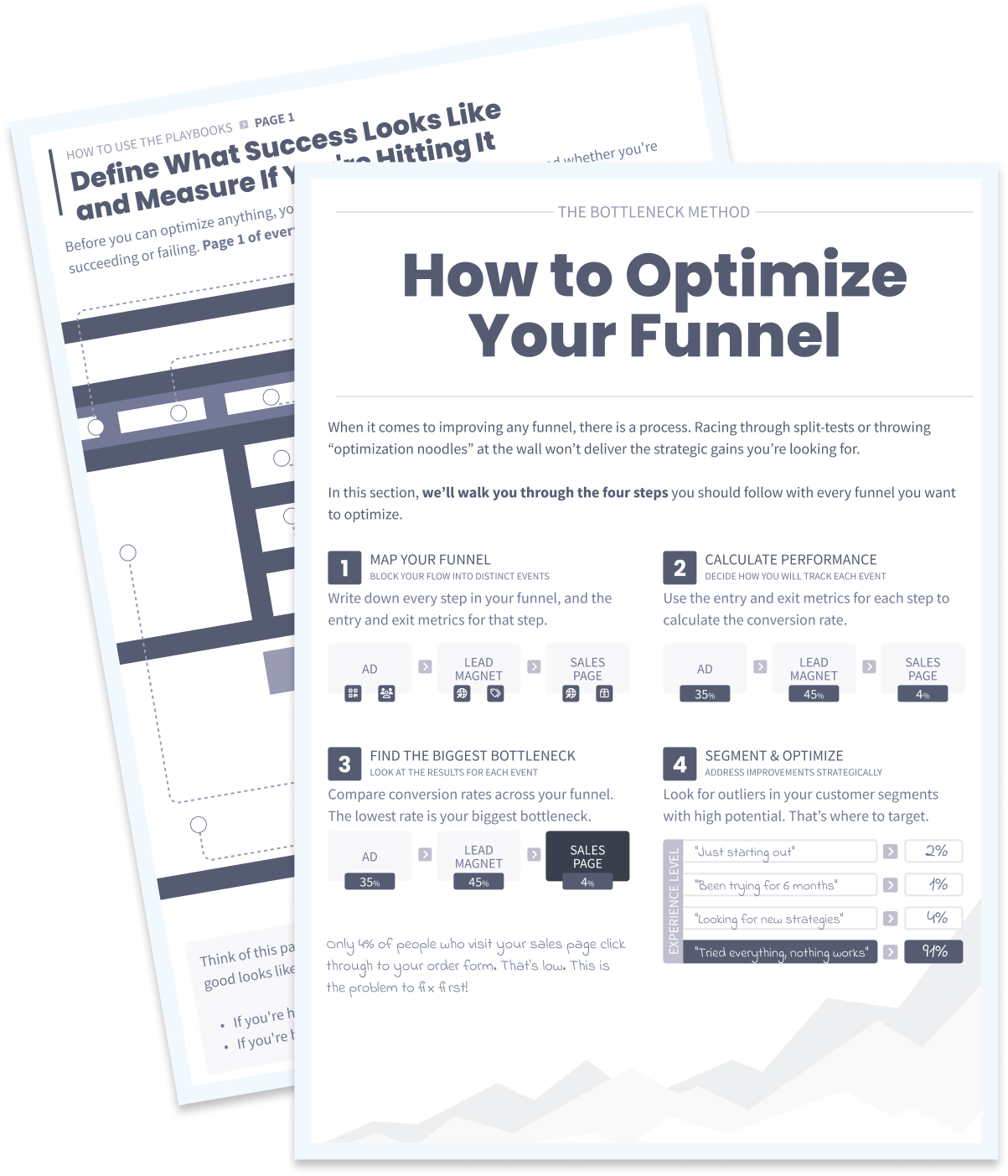
Start your 14-day free trial of SegMetrics today!