Compare the Top Tools That Actually Track Revenue
Marketing attribution is broken for most businesses.
You run ads. Send emails. Host webinars. Post content.
But you still can’t answer one simple question:
What actually drives revenue?
Most tools show clicks. Some show conversions.
Very few show the full picture.
That gap is expensive.
You end up scaling campaigns that look good on the surface…
while the real drivers of revenue stay hidden.
That’s why attribution software matters.
The right tool connects every touchpoint, from first click to final purchase, and ties it back to revenue.
This guide breaks down the best marketing attribution software tools in 2026…compared by strengths, limitations, and use cases.
What Is Marketing Attribution Software?
Marketing attribution software tracks how a customer moves through your funnel.
It shows how someone goes from:
- Stranger → Lead
- Lead → Prospect
- Prospect → Customer
- Customer → Repeat buyer
Instead of guessing, you see the full journey.
That changes how you make decisions.
Instead of asking:
“Which ad got the click?”
You start asking:
“Which campaign created a high-value customer?”
That’s the difference between optimizing for clicks and optimizing for revenue.
Why Most Attribution Is Wrong
Most businesses rely on incomplete data.
Here’s what usually happens:
- Facebook gets credit because it was the last click
- Google gets ignored even though it created demand
- Email looks weak because it rarely closes the sale
This leads to bad decisions:
- Cutting top-of-funnel campaigns
- Overspending on retargeting
- Underinvesting in nurture
The problem isn’t your marketing.
The problem is how it’s measured.
Single-Touch vs Multi-Touch Attribution
There are two main ways to track attribution.
Single-Touch Attribution
- Gives 100% credit to one touchpoint
- Usually first click or last click
Why it fails:
- Ignores the full journey
- Overvalues one channel
- Misses how channels work together
Multi-Touch Attribution (MTA)
- Splits credit across multiple touchpoints
- Shows how channels influence each other
Common models:
- Linear → equal credit
- Time decay → more weight to recent actions
- U-shaped → first + last matter most
- W-shaped → first, middle, last
- Data-driven → algorithm decides
Why it works:
- Reflects real buying behavior
- Shows how channels assist each other
- Helps you scale the right mix
If you want to go deeper, explore different multi-touch attribution models and how they impact decision-making.
What “Good” Attribution Actually Looks Like
Not all attribution tools are equal.
Good attribution should:
- Track people, not just sessions
- Connect marketing → sales → revenue
- Show full customer journeys
- Handle long sales cycles
- Track lifetime value (LTV)
If your tool can’t do those things, you’re still guessing.
Strong customer journey reporting is what separates surface-level tools from real attribution platforms.
Best Marketing Attribution Software (2026)
Here are the best marketing attribution software tools in 2026 — compared by strengths, limitations, and use cases.
🥇 SegMetrics (Best Overall for Revenue Attribution)
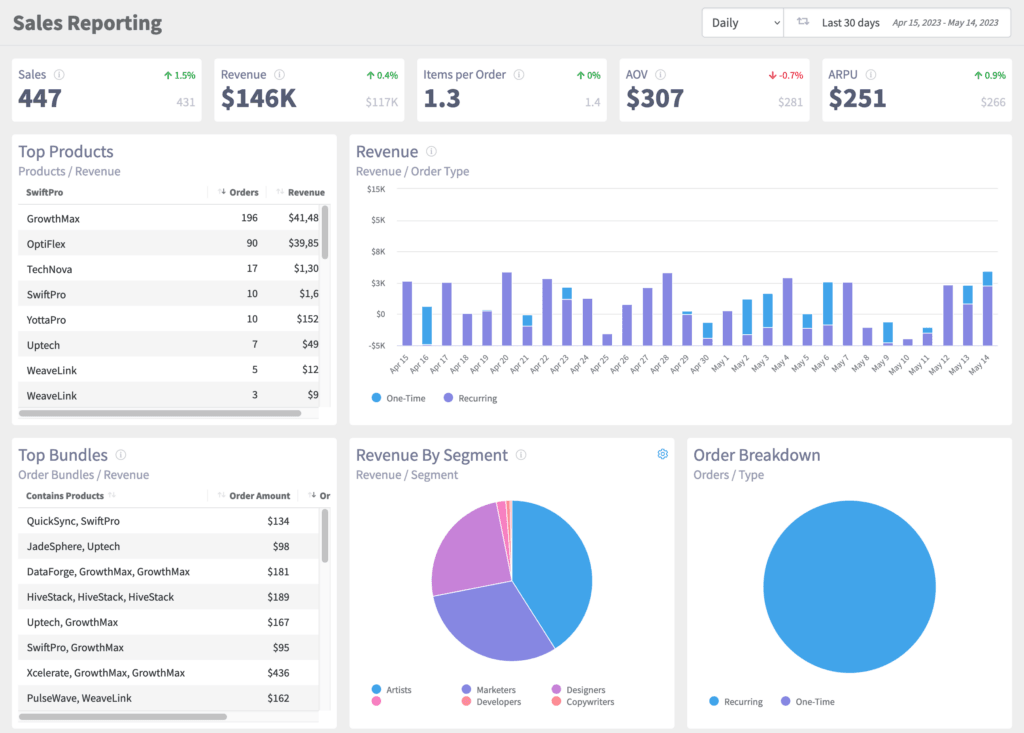
Example of SegMetrics revenue attribution dashboard showing how marketing channels drive actual revenue and customer lifetime value.
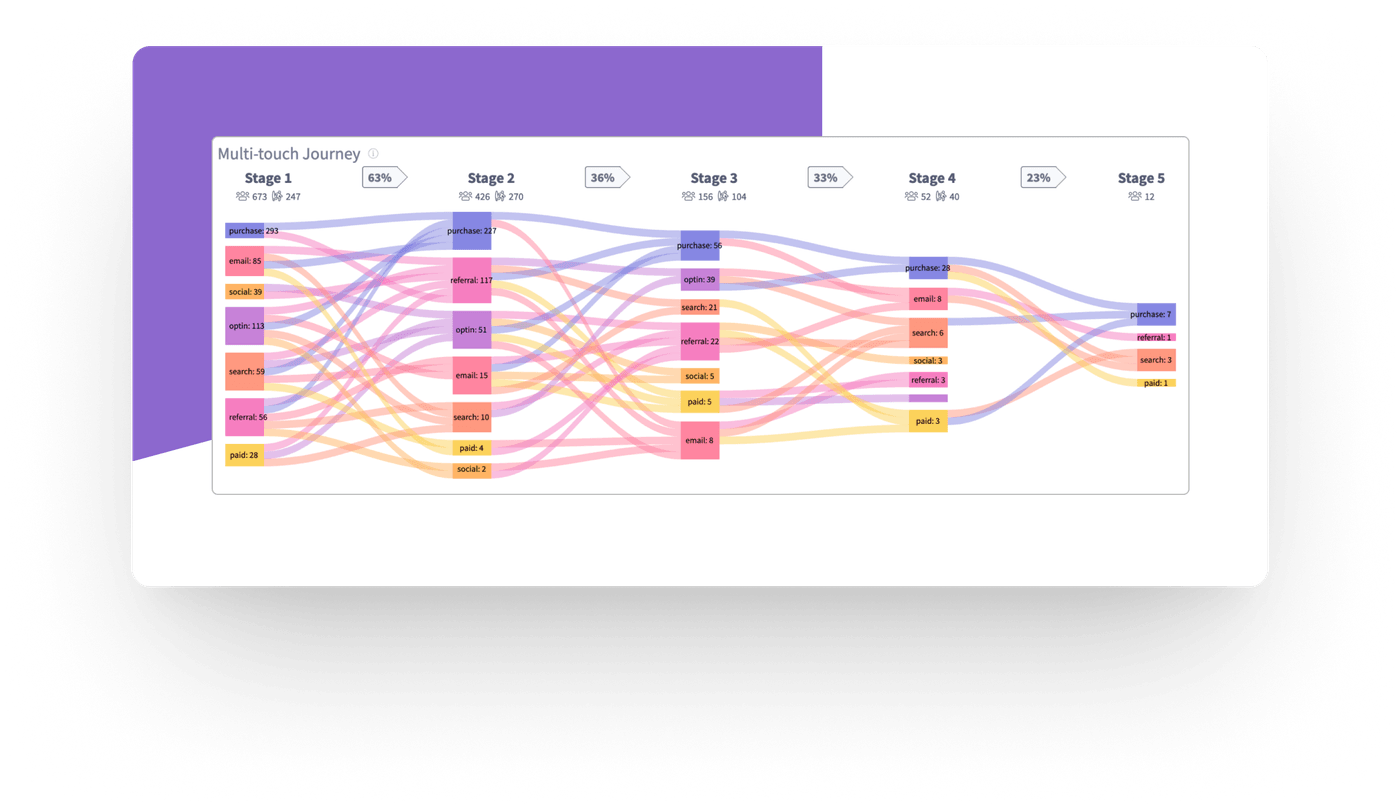
Example of a full customer journey in SegMetrics, tracking every touchpoint from first click to purchase.
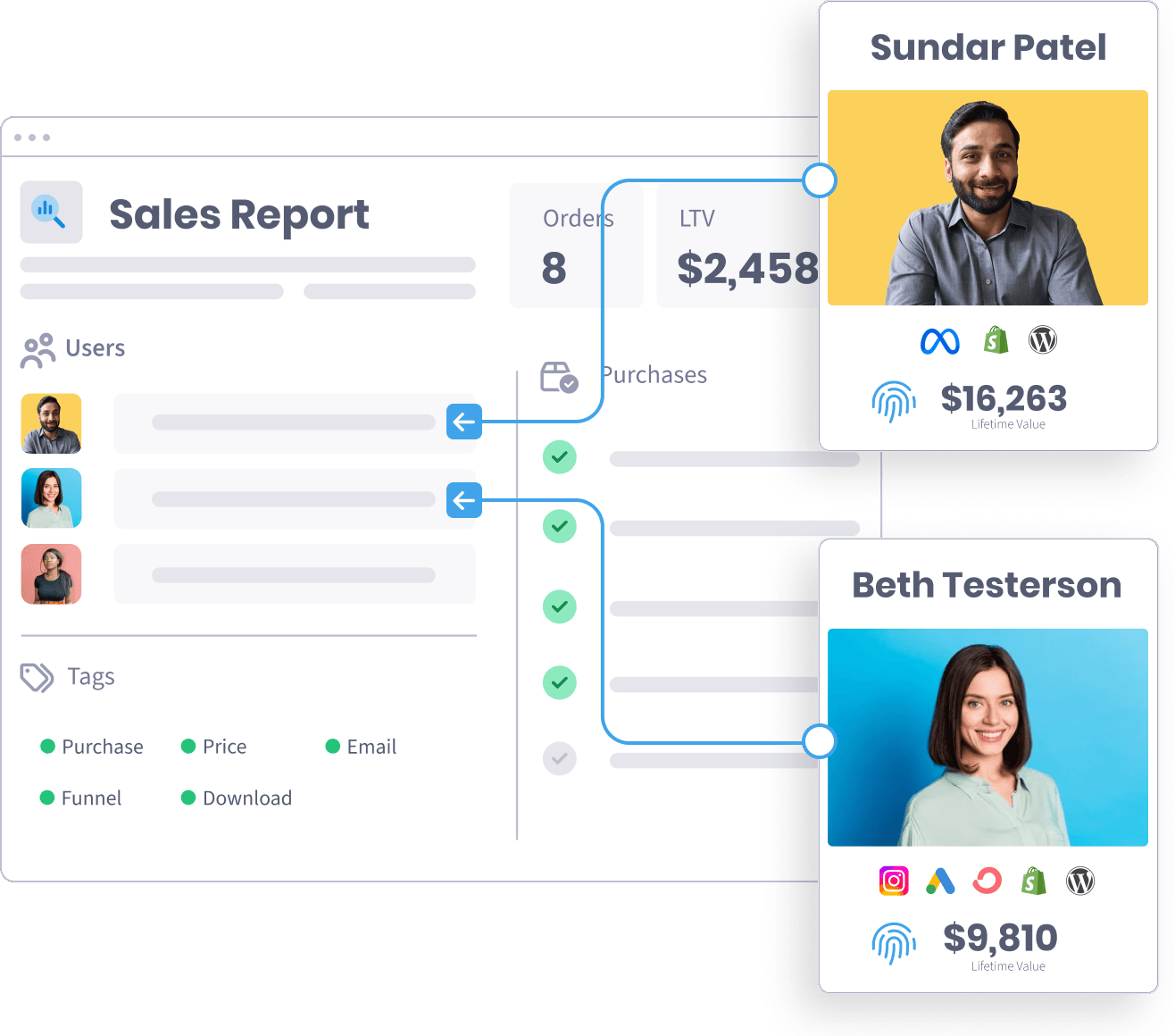
SegMetrics cohort and lifetime value report showing which marketing sources create the highest-value customers.
SegMetrics is built for one thing:
Connecting marketing to revenue.
- Tracks people, not sessions
- Connects ads → email → CRM → purchases → LTV
- Shows true ROI, not vanity metrics
- Works with 100+ integrations
- Supports long sales cycles
What makes it different:
Most tools stop at the first purchase.
SegMetrics tracks what happens after.
- Repeat purchases
- Subscriptions
- Upsells
- Long-term value
This is especially important for businesses where the first purchase is not the full value of the customer.
Instead of asking:
“What got the sale?”
You ask:
“What created the best customers?”
Best for:
- SaaS
- Agencies
- Entreprenuers
- Subscription Businesses
- Course Creators & Inforproducts
Where it works:
- Agencies managing multiple clients
- SaaS and subscription businesses
- Course creators and funnel-based businesses
Limitations:
- Requires proper integrations to unlock full value
- More powerful than needed for very simple funnels
- Learning curve for teams new to attribution
Rockerbox (Best for Enterprise & Offline Channels)
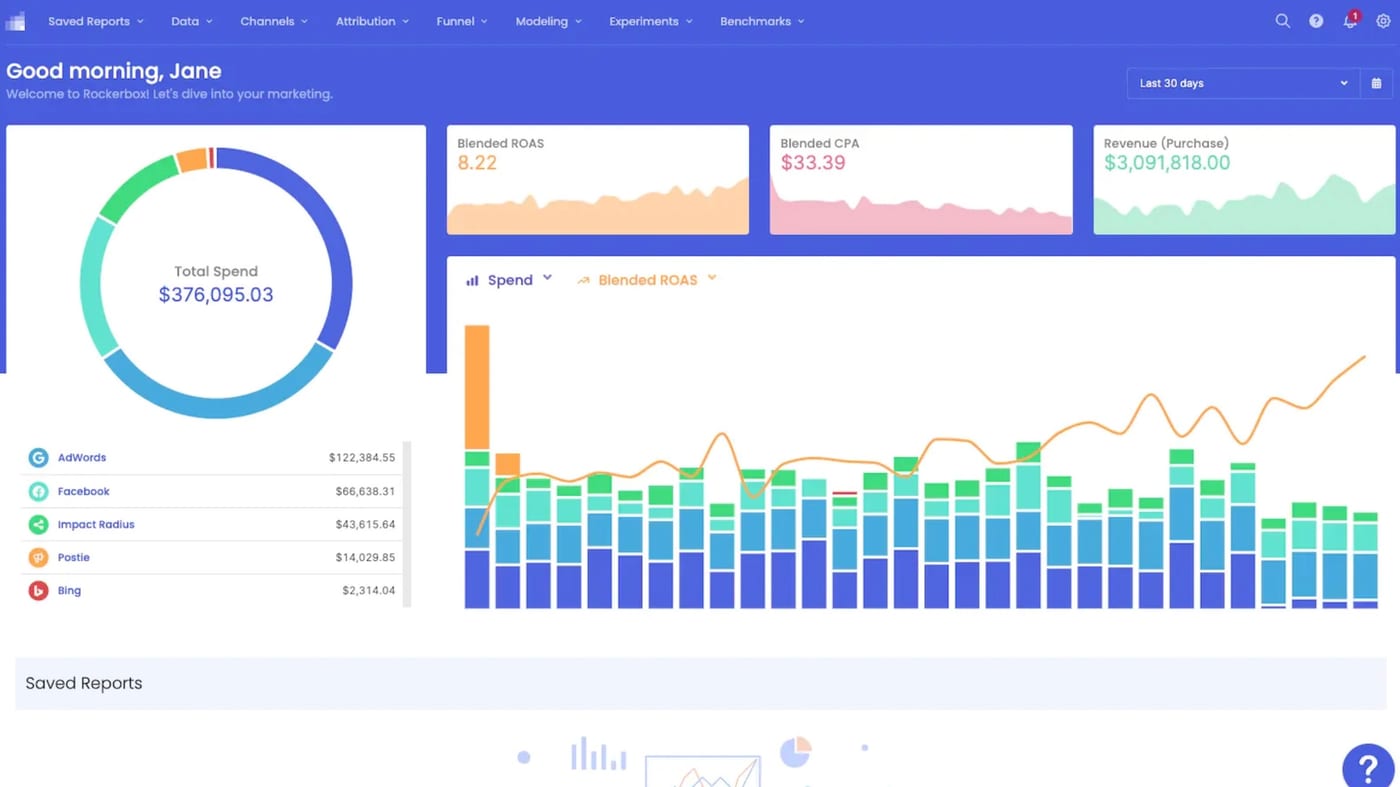
Rockerbox dashboard showing attribution across online and offline channels like TV, radio, and direct mail.
- Tracks TV, radio, podcasts, direct mail
- Combines MMM + multi-touch attribution
- Built for enterprise teams
Where it works:
- Enterprise brands
- Teams running omnichannel campaigns
- Businesses with significant offline ad spend
Limitations:
- High cost compared to most tools
- Less useful for detailed funnel or customer journey analysis
- Not ideal for small to mid-sized businesses
Cometly (Best for Paid Ads Optimization)
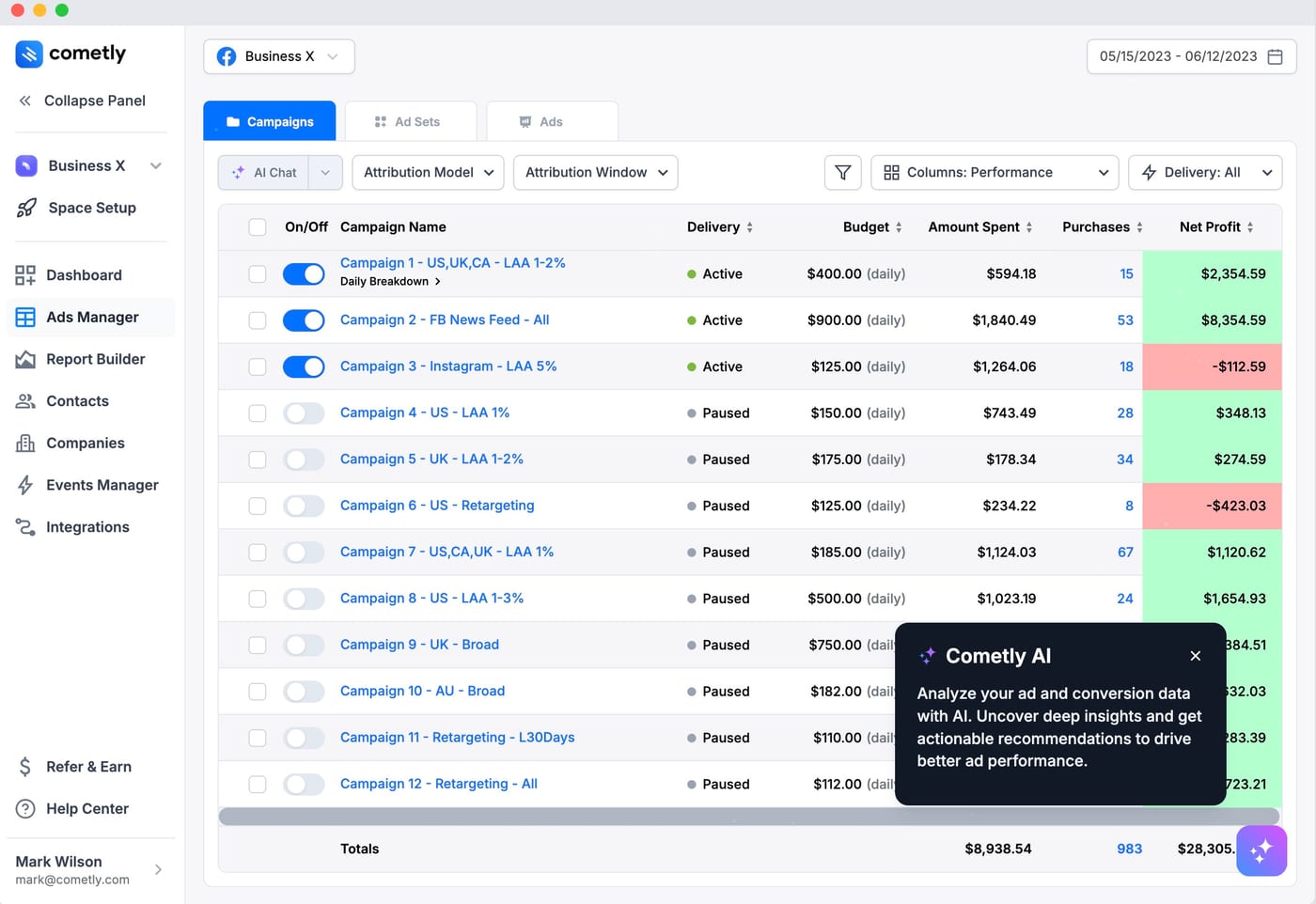
Cometly dashboard showing real-time ad performance and attribution across paid channels.
- Real-time ad tracking
- Works with major ad platforms
- Uses Conversion APIs
Where it works:
- Media buyers and performance marketers
- E-commerce brands running paid ads
- Teams optimizing campaigns daily
Limitations:
- Focused primarily on paid ads, not full-funnel attribution
- Limited visibility into customer journeys and LTV
- Less effective for businesses with complex nurture funnels or long sales cycles
HubSpot Marketing Hub (Best CRM-Based Attribution)
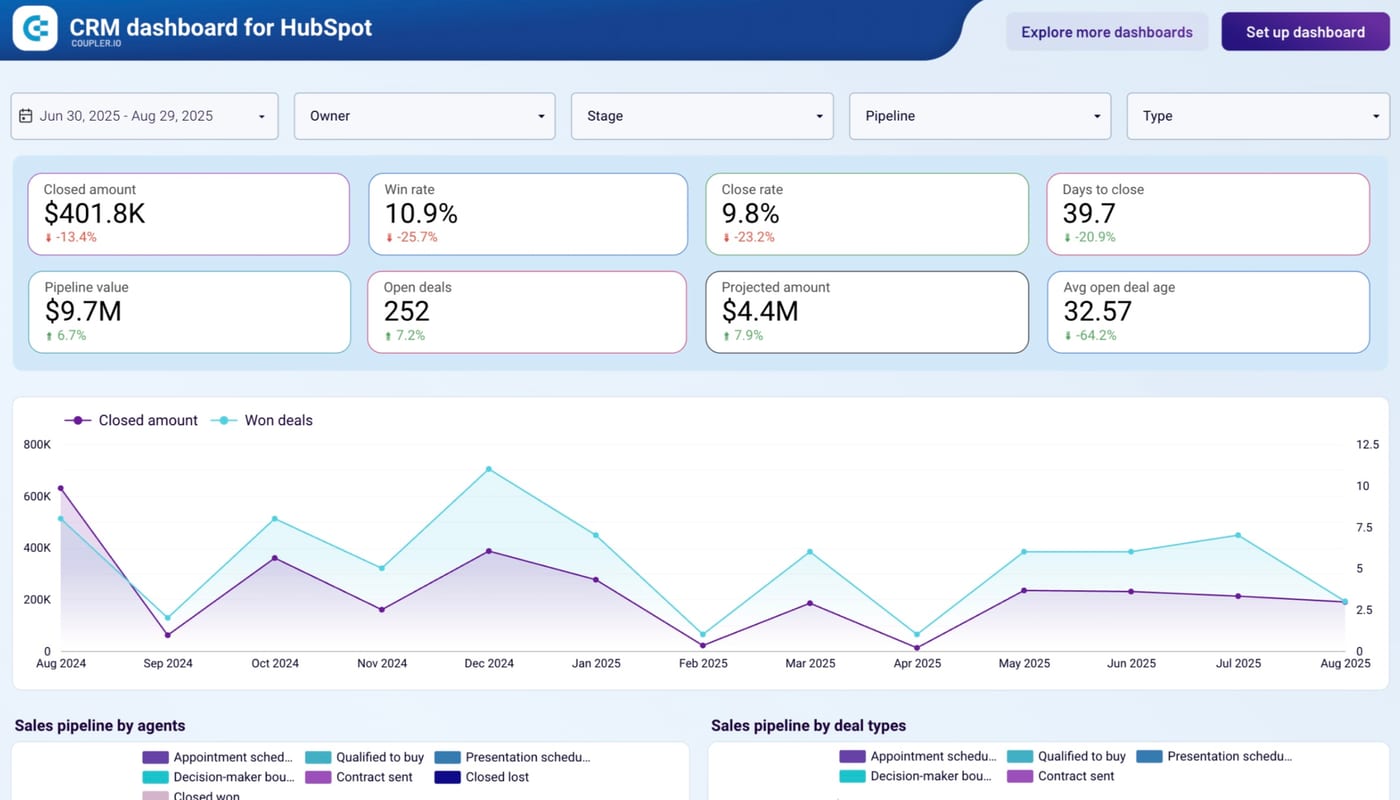
HubSpot attribution report connecting marketing activities to pipeline and revenue.
- Tracks lead → deal → revenue
- Multiple attribution models
- Native reporting
Where it works:
If your entire system runs on HubSpot.
Limitations:
- Limited outside its ecosystem
- Not ideal for complex stacks
- Not for budget minded businesses
Hyros (Best for High-Ticket Funnels)
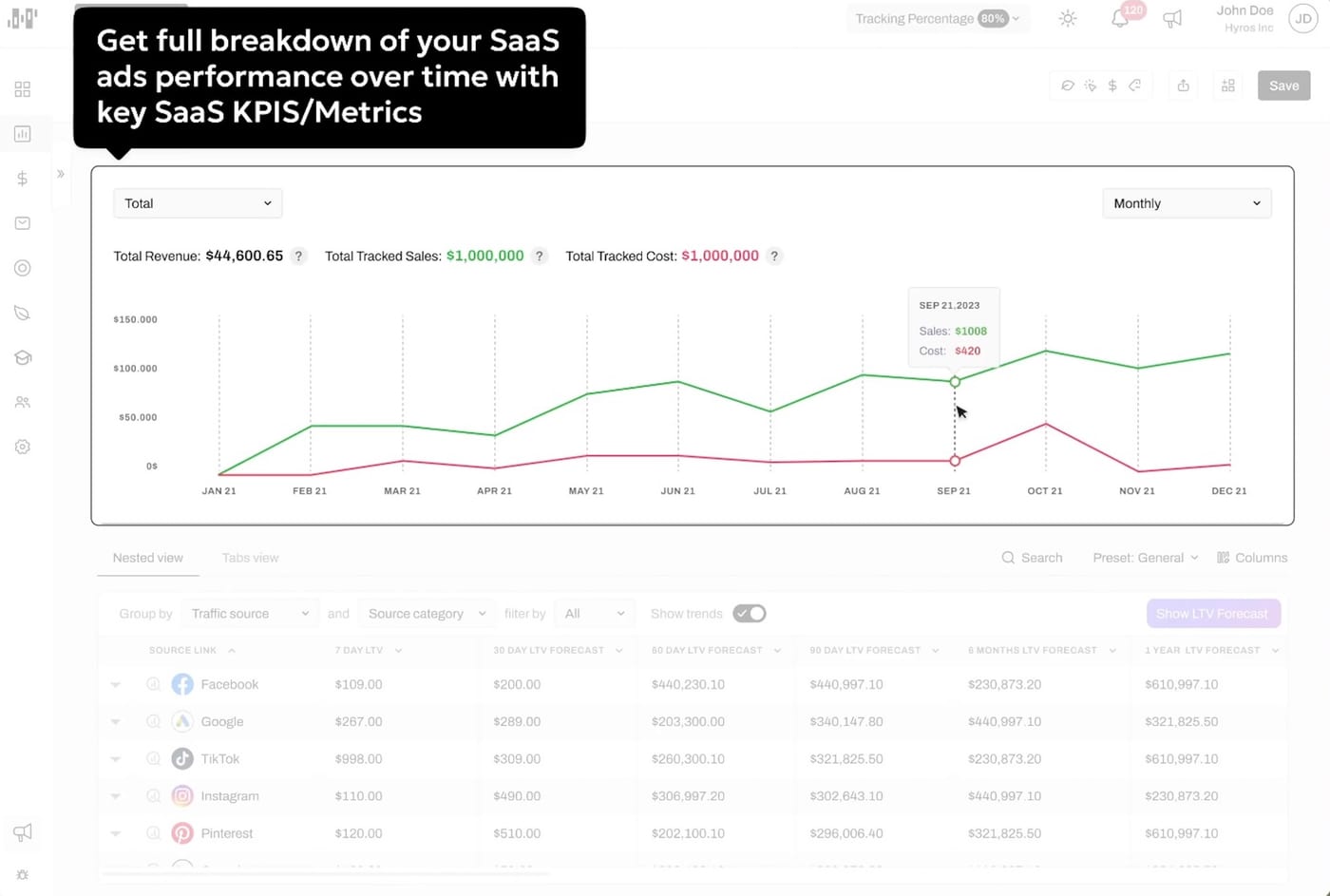
Hyros dashboard tracking high-ticket funnels across multiple touchpoints and devices.
- Tracks across devices
- Handles long sales cycles
- Built for high-ticket
Where it works:
- Coaches, consultants, and info product businesses
- High-ticket sales funnels
- Businesses with long decision cycles
Limitations:
- Limited visibility into full marketing ecosystem (CRM, email, etc.)
- Less transparency into how attribution is calculated
- Not ideal for businesses needing deep revenue and LTV reporting
- Only for businesses willing to spend $1K+ monthly for reporting
Ruler Analytics (Best for Call Tracking)
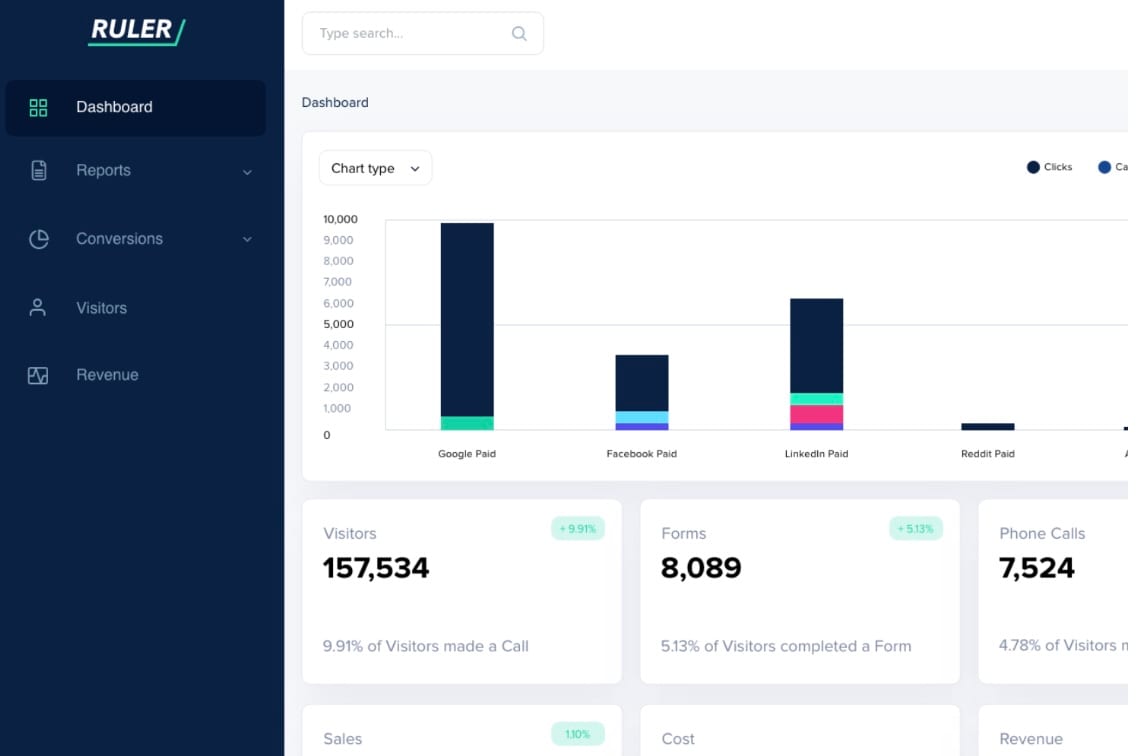
Ruler Analytics dashboard showing phone call attribution tied to marketing campaigns.
- Tracks calls + leads
- Connects marketing to revenue
Where it works:
- Service businesses
- Lead-gen heavy models
Limitations:
- Call-focused
- Less depth for digital journeys
Triple Whale (Best for Shopify Brands)
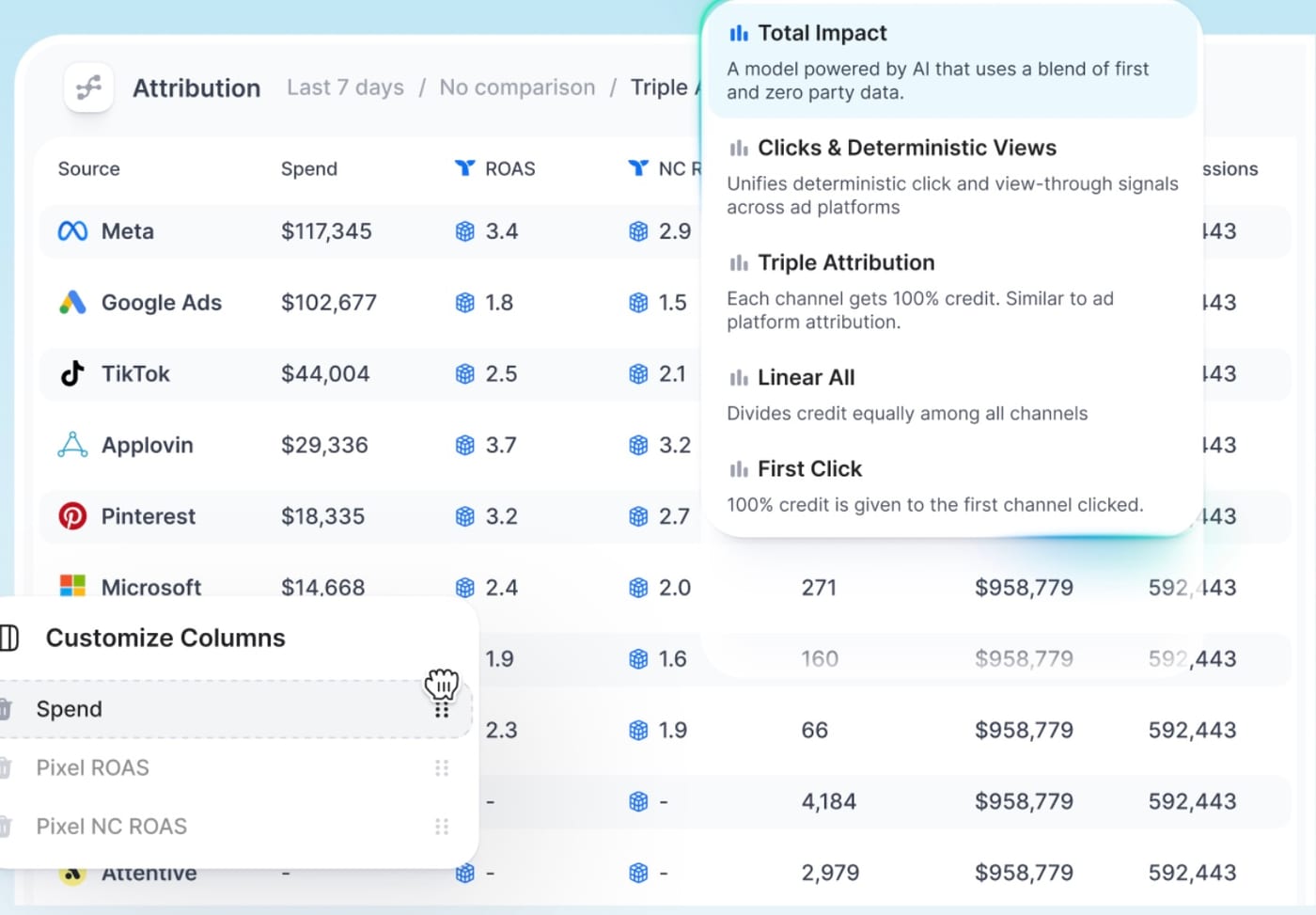
Triple Whale dashboard showing profit-based attribution for Shopify stores.
- Shopify-focused
- Tracks profit
- Creative analytics
Where it works:
- Shopify e-commerce brands
- DTC businesses scaling paid ads
- Teams focused on profit and creative performance
Limitations:
- Primarily Shopify-focused
- Limited visibility outside e-commerce ecosystems
- Not ideal for complex funnels or multi-platform attribution
Wicked Reports (Good for LTV Tracking)
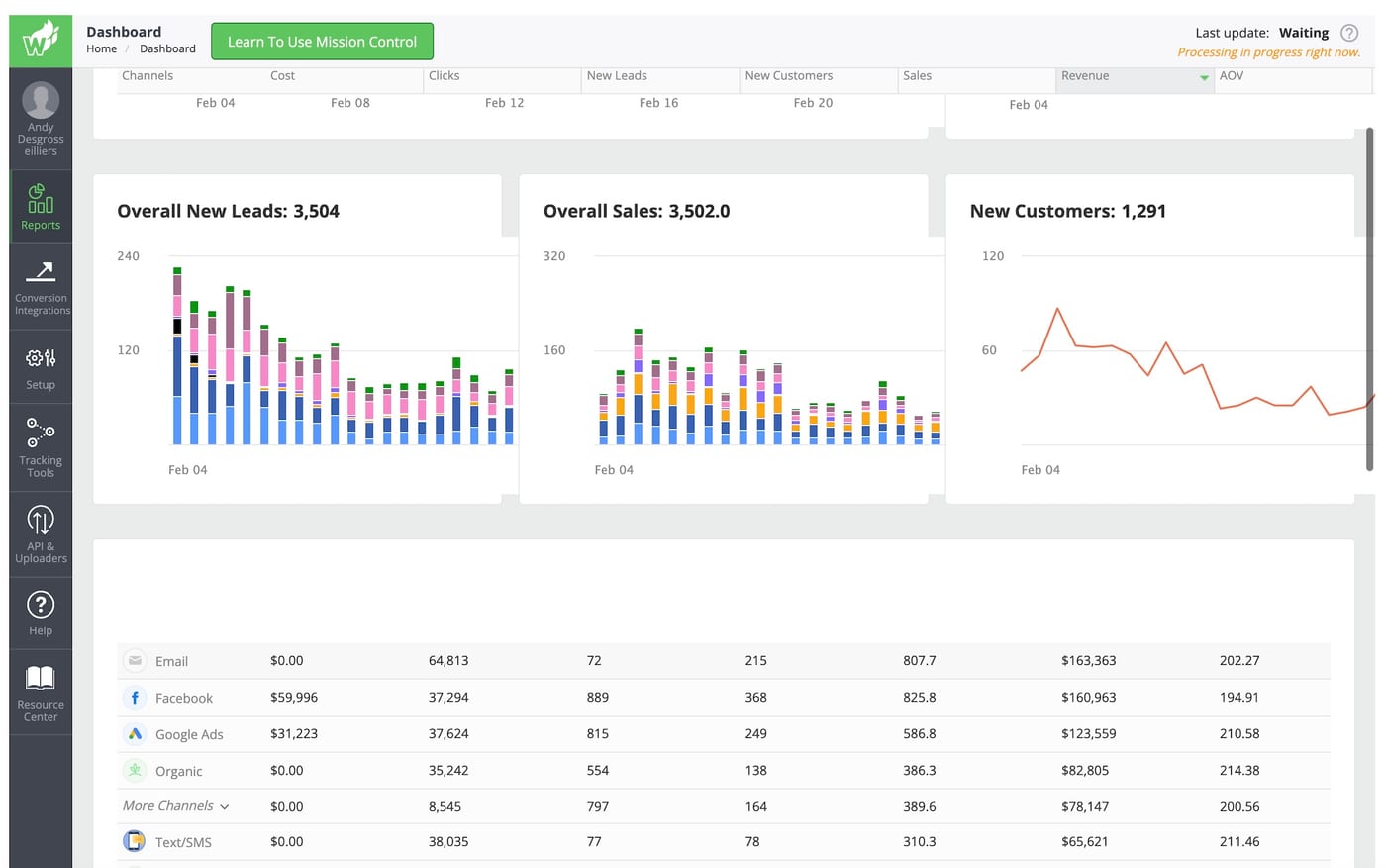
Wicked Reports dashboard showing lifetime value attribution across marketing channels.
- Tracks lifetime value
- Cohort analysis
Where it works:
- Subscription businesses
- E-commerce brands with repeat purchases
- Businesses focused on customer lifetime value
Limitations:
- More complex setup and onboarding
- Less real-time reporting
- Limited visibility into full customer journey compared to full-funnel tools
Dreamdata (Best for B2B Revenue Attribution)
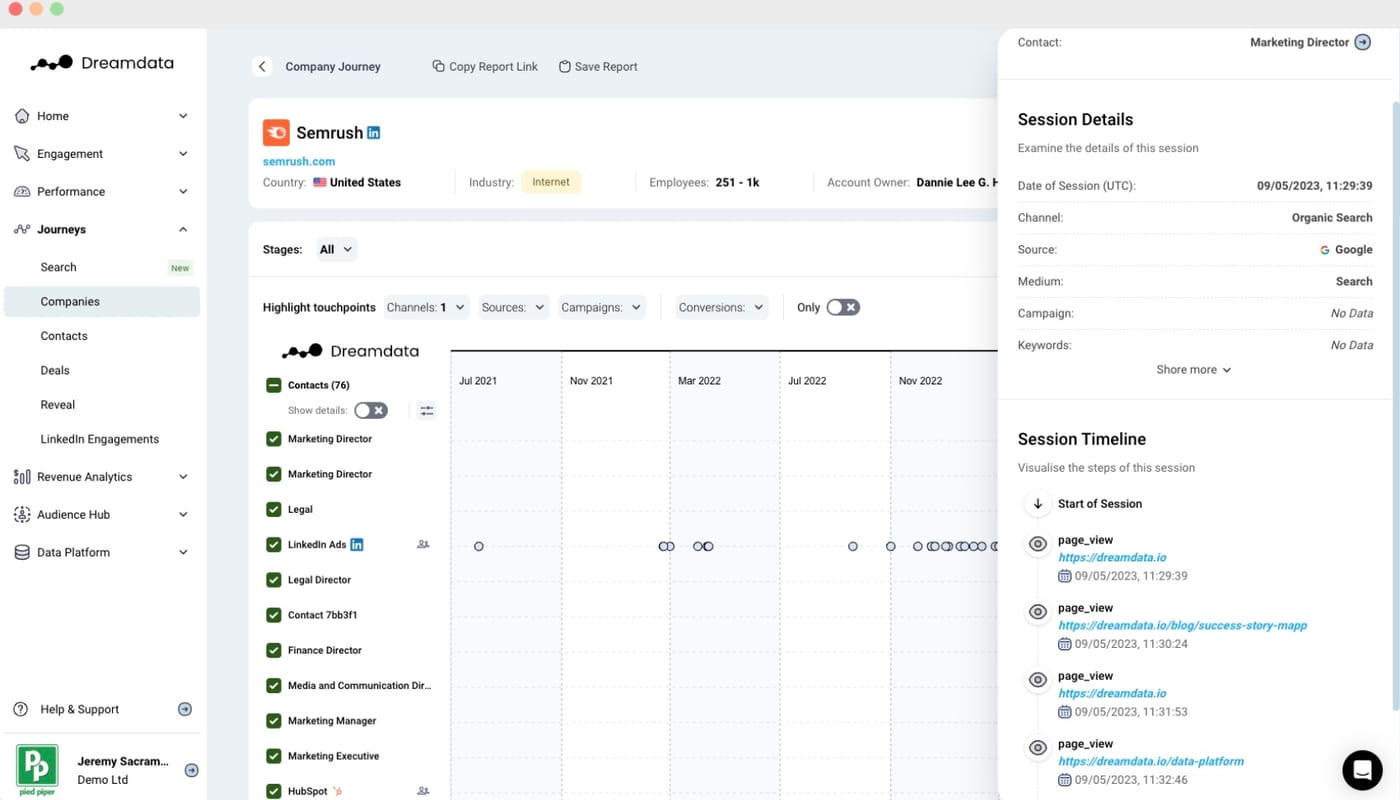
Dreamdata dashboard showing B2B pipeline attribution across accounts, touchpoints, and revenue stages.
- Tracks account-based journeys (not just individuals)
- Connects marketing → pipeline → revenue
- Built for multi-touch, multi-stakeholder deals
Where it works:
- B2B SaaS companies
- Sales-led organizations
- Teams focused on pipeline and revenue attribution
Limitations:
- Less useful for B2C or funnel-driven businesses
- Requires a well-structured CRM
- Limited visibility into full marketing funnel outside pipeline
Northbeam (Best for Media Mix Modeling)
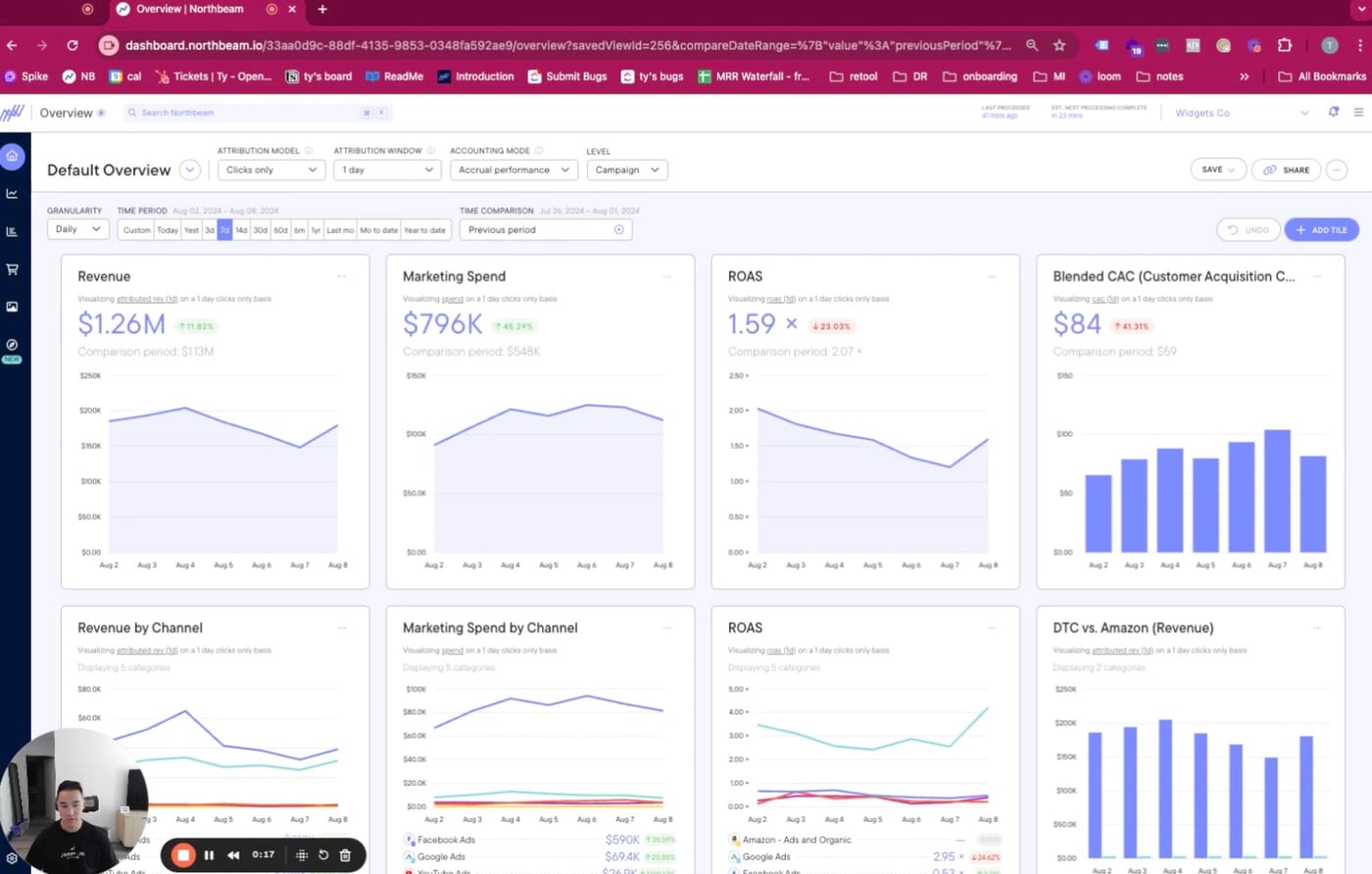
Northbeam dashboard showing media mix modeling and blended channel performance across marketing channels.
- Combines media mix modeling (MMM) with attribution
- Measures blended performance across channels
- Focuses on incrementality and true lift
Where it works:
- Brands with high ad spend
- Multi-channel marketing teams
- Businesses focused on budget allocation
Limitations:
- Less granular customer journey visibility
- Limited CRM and full revenue attribution
- Not ideal for long or complex funnels
Attribution App (Best Entry-Level Attribution Tool)
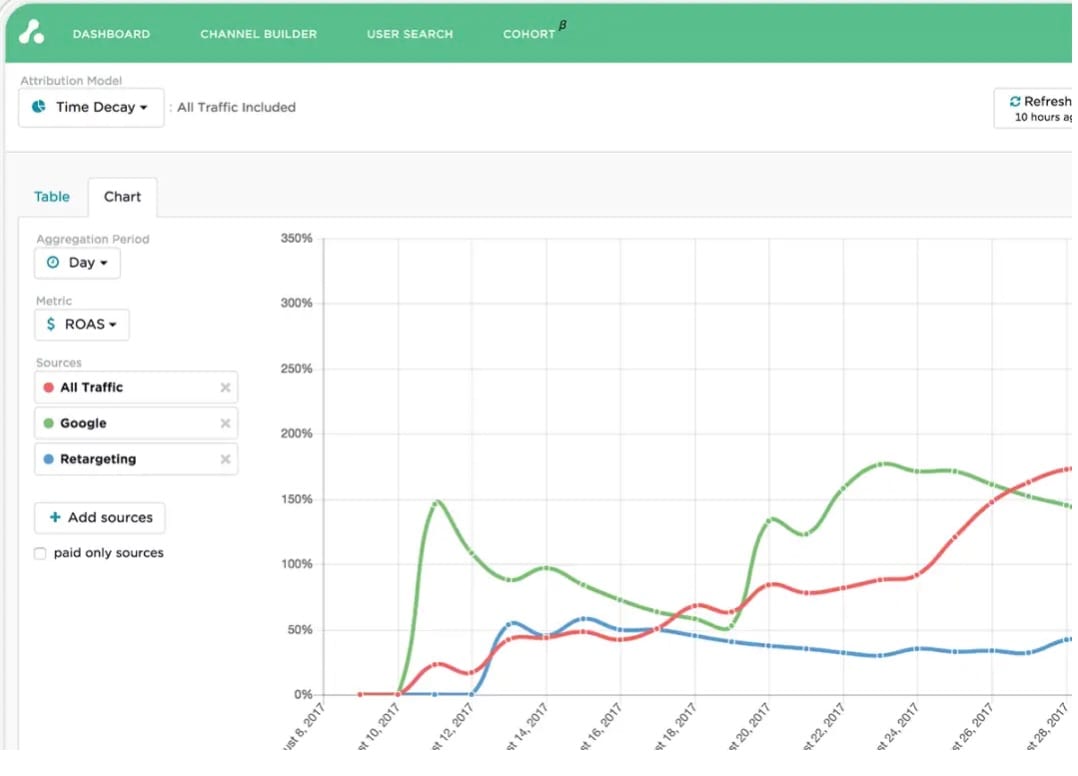
Attribution App dashboard providing simple multi-touch attribution for smaller teams.
- Simple setup
- Multi-touch tracking
Where it works:
- Small businesses and startups
- Teams new to attribution
- Businesses with simple marketing funnels
Limitations:
- Limited customization and depth
- Minimal lifetime value (LTV) tracking
- Not ideal for complex funnels or multi-platform attribution
How These Tools Compare
Not all attribution tools solve the same problem.
Some focus on ad performance.
Others focus on pipeline tracking.
Some focus on lifetime value.
Very few connect everything.
That’s the real gap in the market.
Most businesses don’t need more data.
They need connected data.
Best Marketing Attribution Software by Use Case
Not every attribution tool fits every business.
- Agencies → SegMetrics
- SaaS → SegMetrics
- B2B → Dreamdata
- Shopify → Triple Whale
- Paid Ads Only → Cometly
- Course Creators → SegMetrics
- High-Ticket → Hyros
- Call Tracking → Ruler Analytics
- Infoproducts → SegMetrics
- Enterprise → Rockerbox
- Media Mix → Northbeam
- Entrepreneurs → SegMetrics
- Beginner → Attribution App
- Coaches → SegMetrics
Key Features to Look For
Integrations
Ads, CRM, email, payments
Server-Side Tracking
More accurate, privacy-compliant
(learn more about server-side tracking)
Attribution Window
Longer = better insight
Customer Journey Visibility
Every touchpoint, every step
Lifetime Value Tracking
Critical for growth
Real-Time Data
Faster decisions
Pricing: What Should You Expect?
- Free → basic
- $100–300 → entry
- $300–1,000 → most
- $1,000+ → enterprise
Rule: Spend 1–3% of ad budget
The goal isn’t to spend on attribution.
The goal is to stop wasting money.
Best Marketing Attribution Software Alternatives (Quick Summary)
- SegMetrics → Full funnel + LTV
- Dreamdata → B2B
- Northbeam → MMM
- Attribution App → Entry
- Cometly → Ads only
- Triple Whale → Shopify only
- HubSpot → CRM
- Hyros → High-ticket
- Ruler → Calls
- Wicked → LTV
How to Choose the Right Tool
- Sales cycle length
- Touchpoints
- LTV needs
- Tech stack
- Visibility gaps
When Attribution Software Might Not Be Necessary
You may not need it if:
- Short sales cycle
- One channel
- Low spend
But once you scale…
You need attribution.
FAQs About Marketing Attribution Software
Q. What is marketing attribution software?
A. Marketing attribution software tracks the touchpoints a customer interacts with before buying and assigns credit to the channels, campaigns, and messages that influenced the conversion.
Q. Why is marketing attribution important?
A. Marketing attribution helps businesses see which marketing efforts drive leads, sales, and revenue. Without it, teams often make decisions based on incomplete data.
Q. What is the difference between single-touch and multi-touch attribution?
A. Single-touch attribution gives all credit to one touchpoint. Multi-touch attribution spreads credit across several touchpoints in the customer journey.
Q. What is the best marketing attribution software?
A. The best marketing attribution software depends on your business. SegMetrics is a strong option for businesses that need full-funnel revenue attribution, lifetime value tracking, and cross-platform visibility.
Q. What features should you look for in marketing attribution software?
A. Look for integrations, server-side tracking, flexible attribution windows, customer journey reporting, and lifetime value tracking.
Q. Can marketing attribution software track lifetime value?
A. Yes. Some tools track repeat purchases, renewals, and upsells back to the original source, which helps businesses optimize for customer quality, not just lead volume.
Final Takeaway
Most marketing decisions fail because the data is incomplete.
Better attribution fixes that.
You stop guessing.
And scale what works.
You grow faster.