

8 Influencer Marketing Tips to Scale Your Business
Influencer marketing tips fill the internet. Most of them are garbage. They tell you to “be authentic” and “find the…

If you’re running paid ads, email campaigns, webinars, or funnels, you already know one thing:
Your data is lying to you.
Not because your tools are broken—but because they’re incomplete.
Most platforms only show part of the story:
The result? You’re making decisions without seeing the full picture.
That’s where modern marketing attribution software comes in.
In this guide, we’ll break down the top attribution tools for 2026, what they actually do well, and how to choose the right one for your business.
Marketing attribution software connects your:
…to show you exactly what drives revenue—not just clicks or leads.
The key difference in 2026:
It’s no longer about tracking conversions—it’s about tracking customer journeys and lifetime value (LTV).
Before we dive into the tools, here’s what actually matters now:
Can it tie marketing to actual sales and LTV?
Does it show the full journey:
With cookies fading, tools must rely on server-side or first-party tracking.
How quickly can you go from:
“I signed up” → “I see what’s working”
If it takes 3 months to set up, you won’t use it.
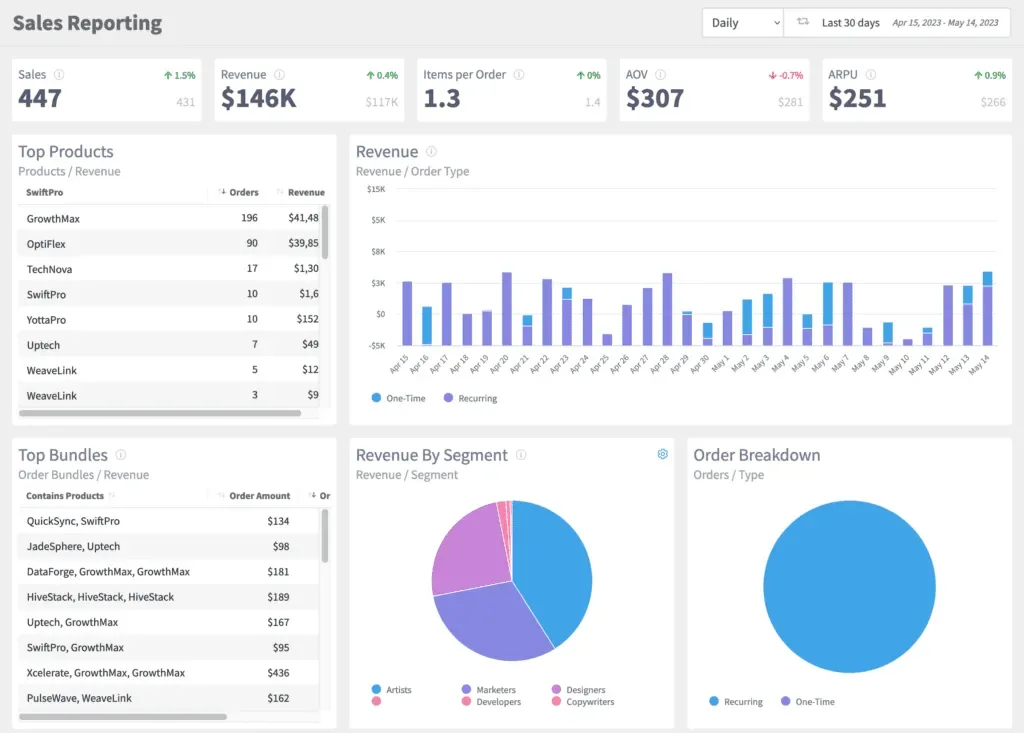
SegMetrics is built specifically for marketers who care about revenue—not vanity metrics.
Instead of stopping at leads or conversions, it tracks:
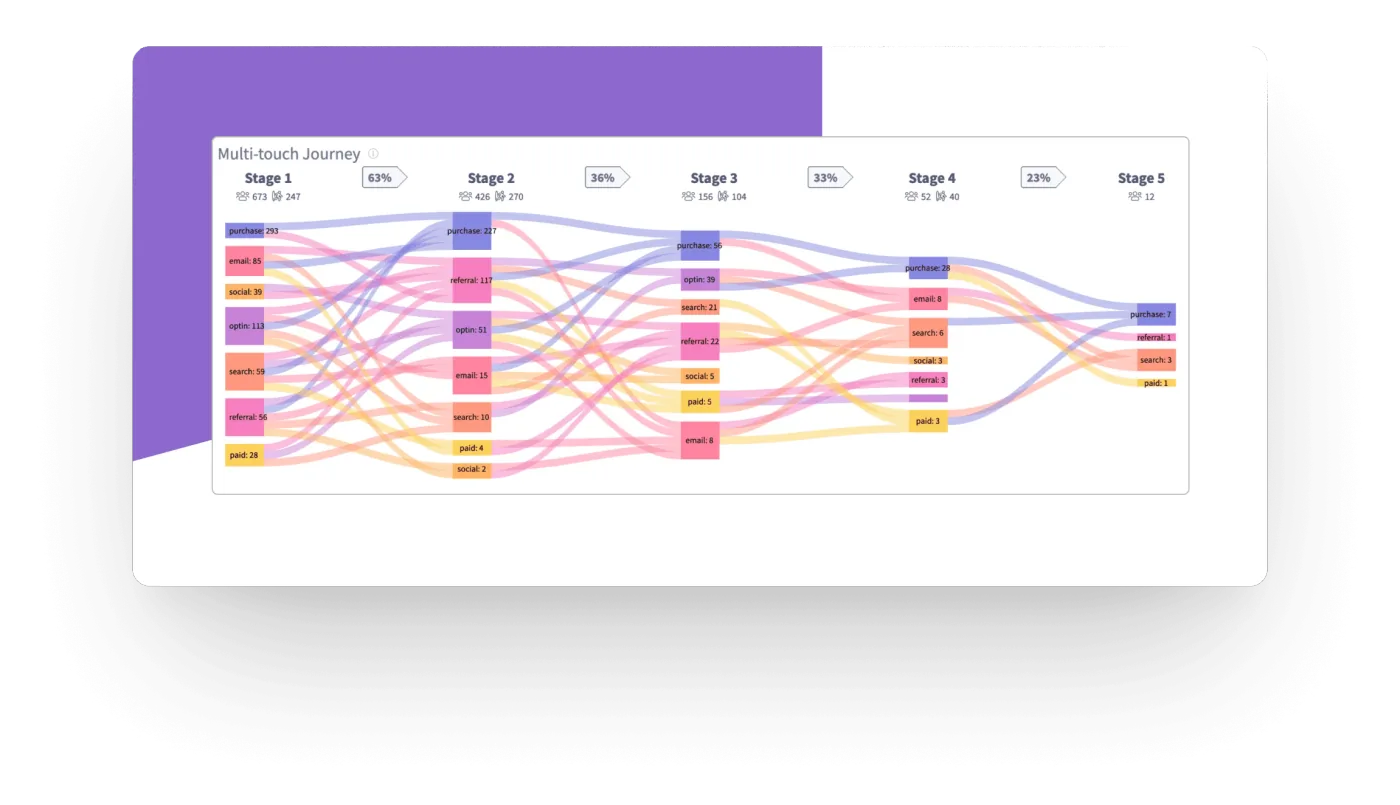
Where it stands out:
Limitations:
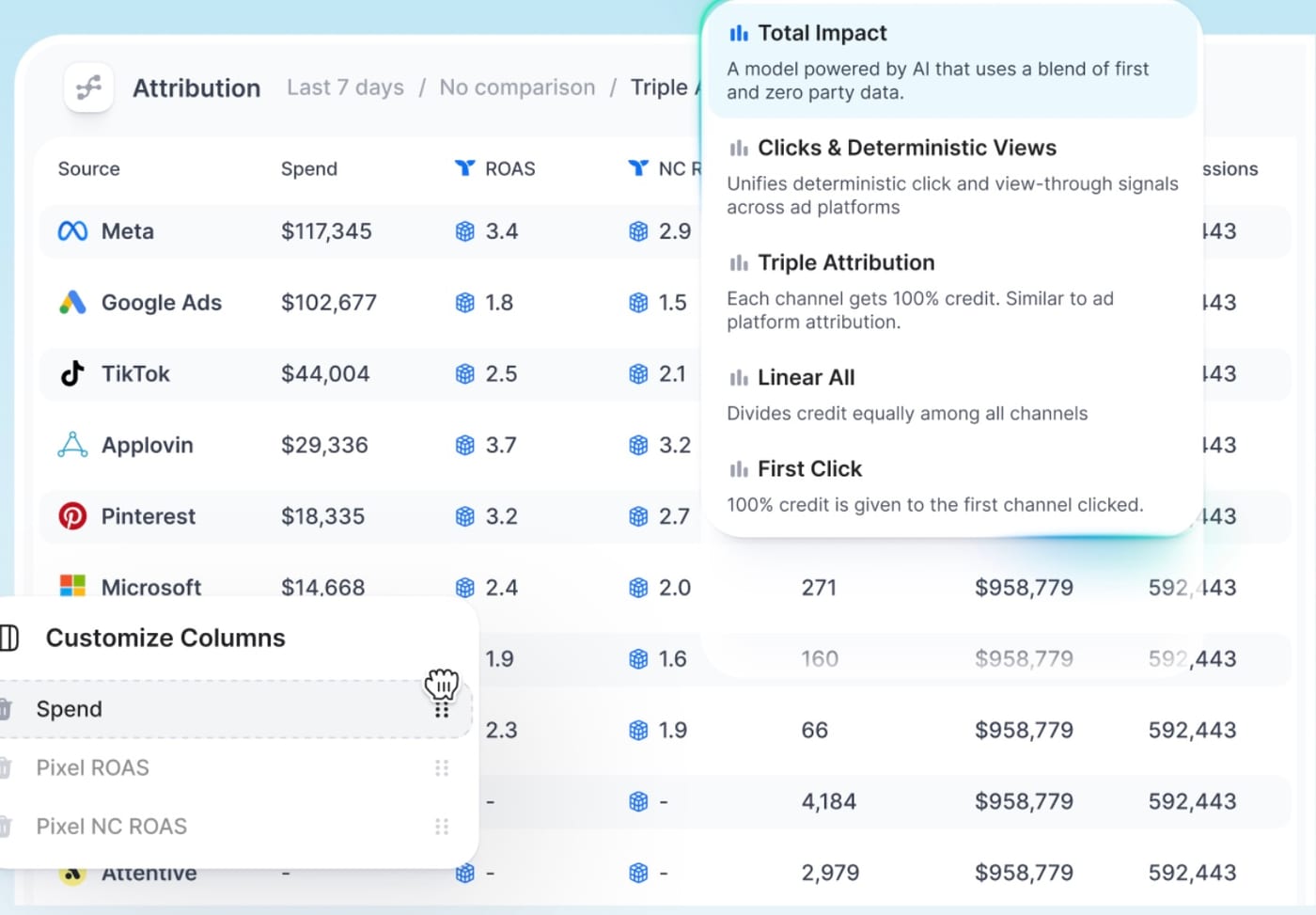
Triple Whale is a favorite among Shopify brands.
It focuses heavily on:
Where it works:
Limitations:
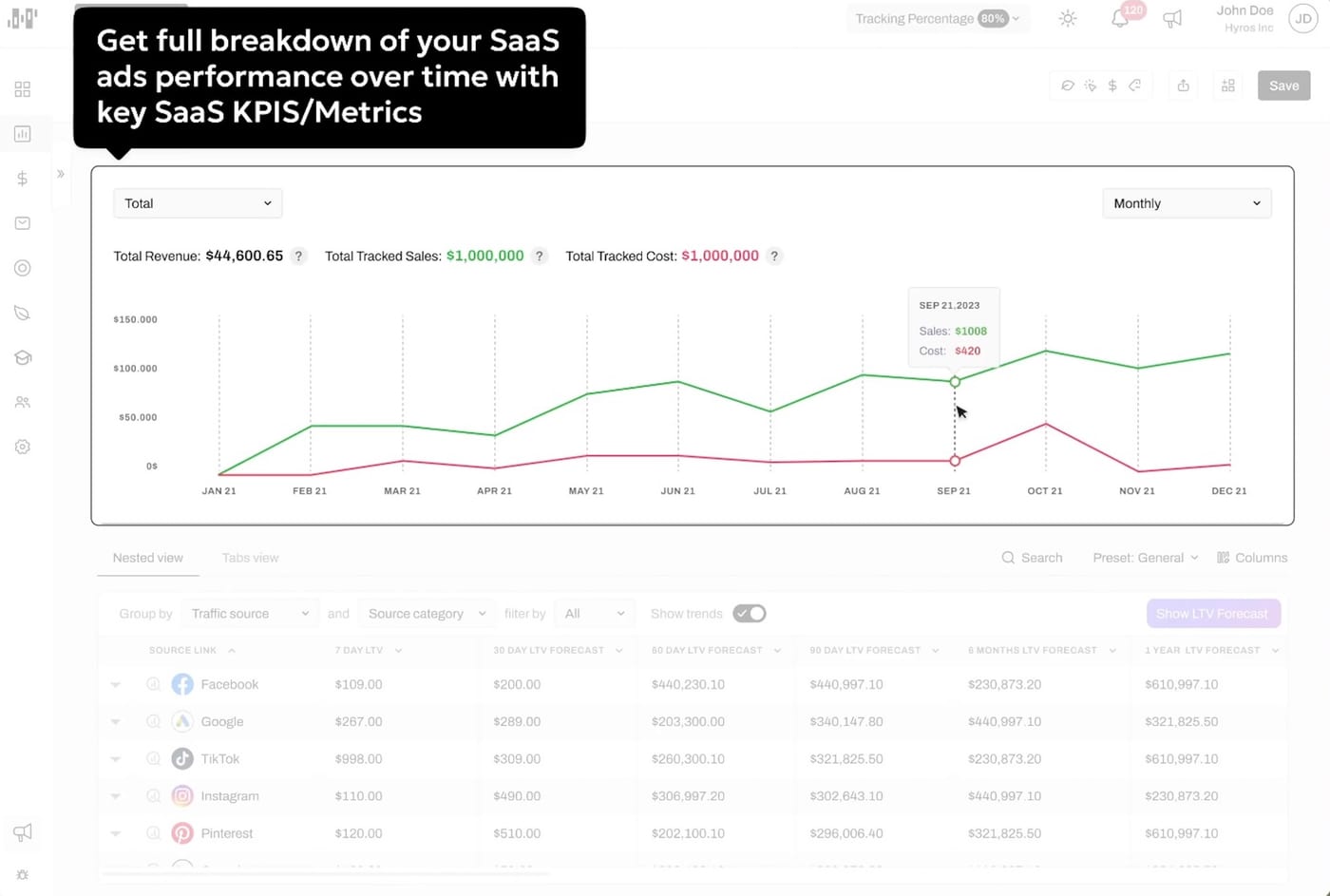
Hyros positions itself as an AI-driven attribution tool for ad platforms.
It emphasizes:
Where it works:
Limitations:
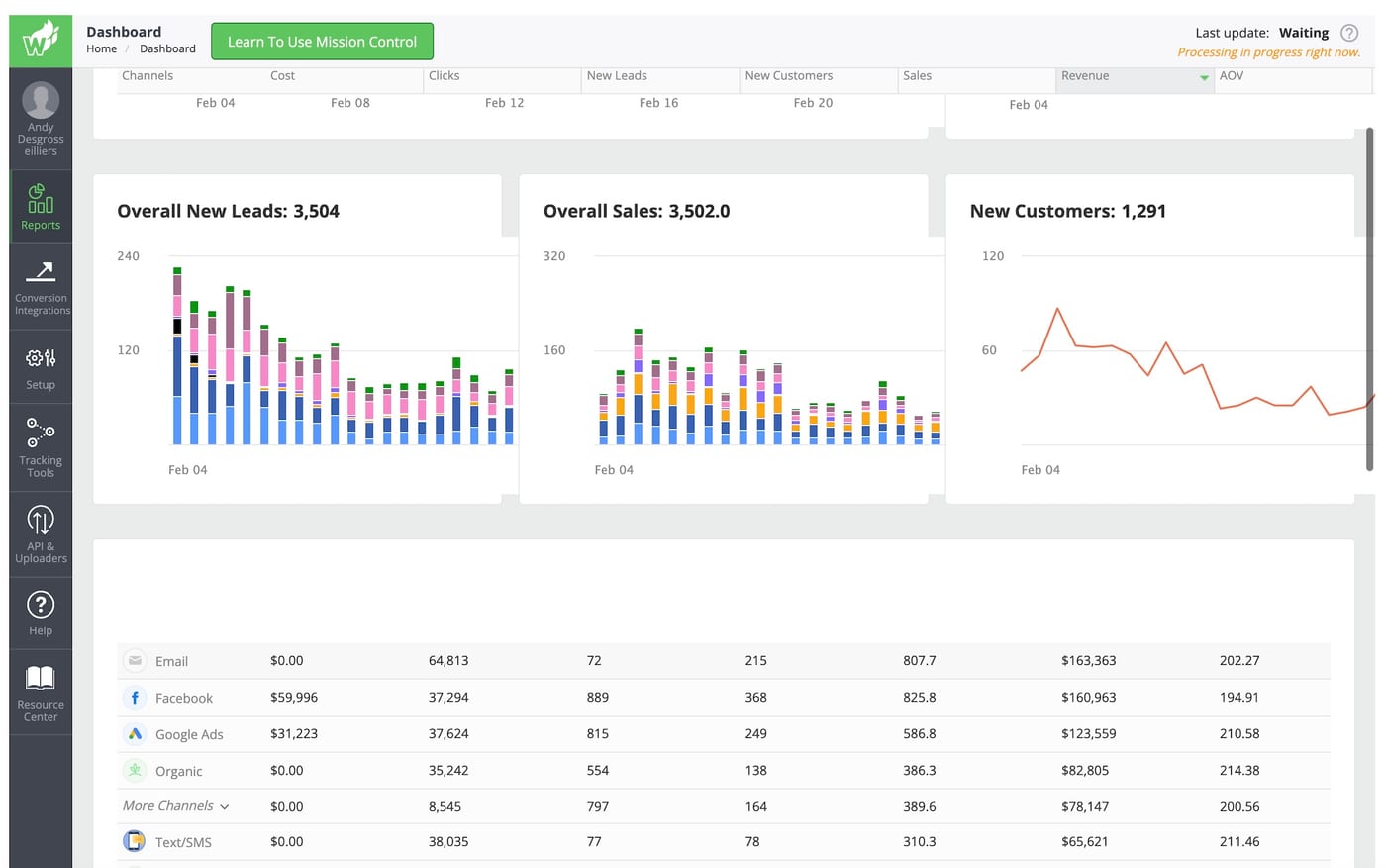
Wicked Reports has been around for years and is known for:
Where it works:
Limitations:
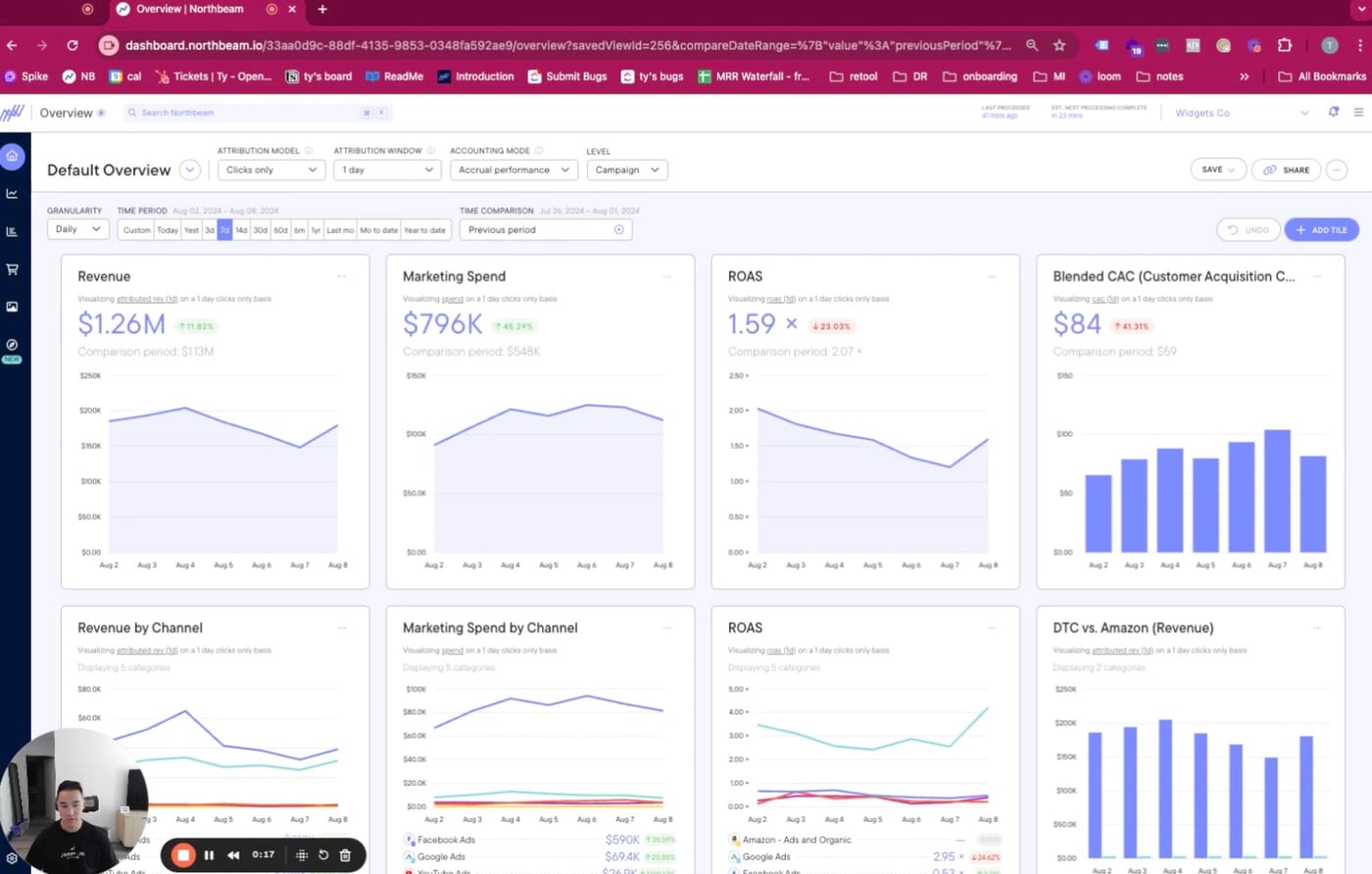
https://www.northbeam.io/Northbeam focuses on:
Where it works:
Limitations:
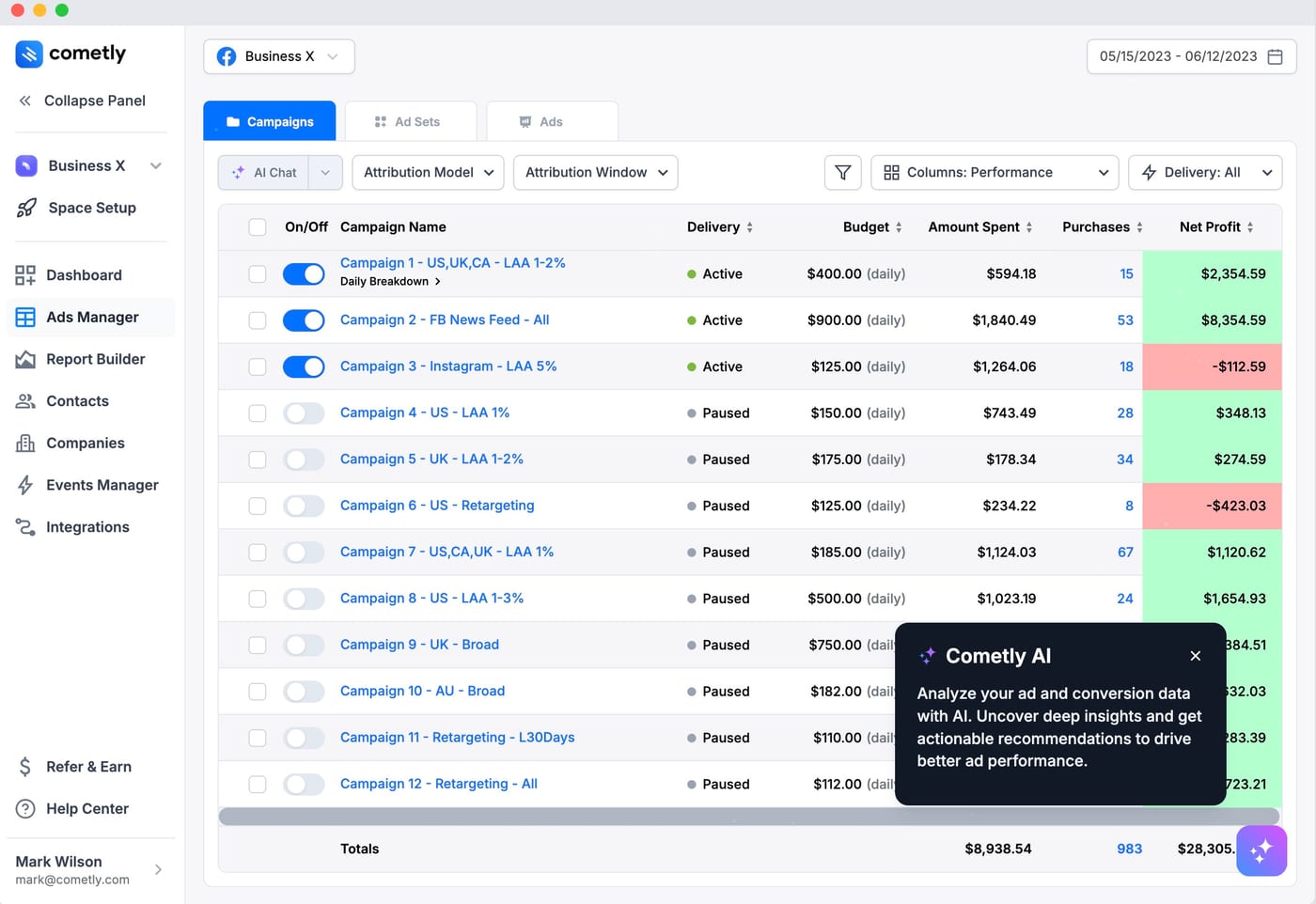
Cometly is designed to be a simpler attribution platform with:
Where it works:
Limitations:
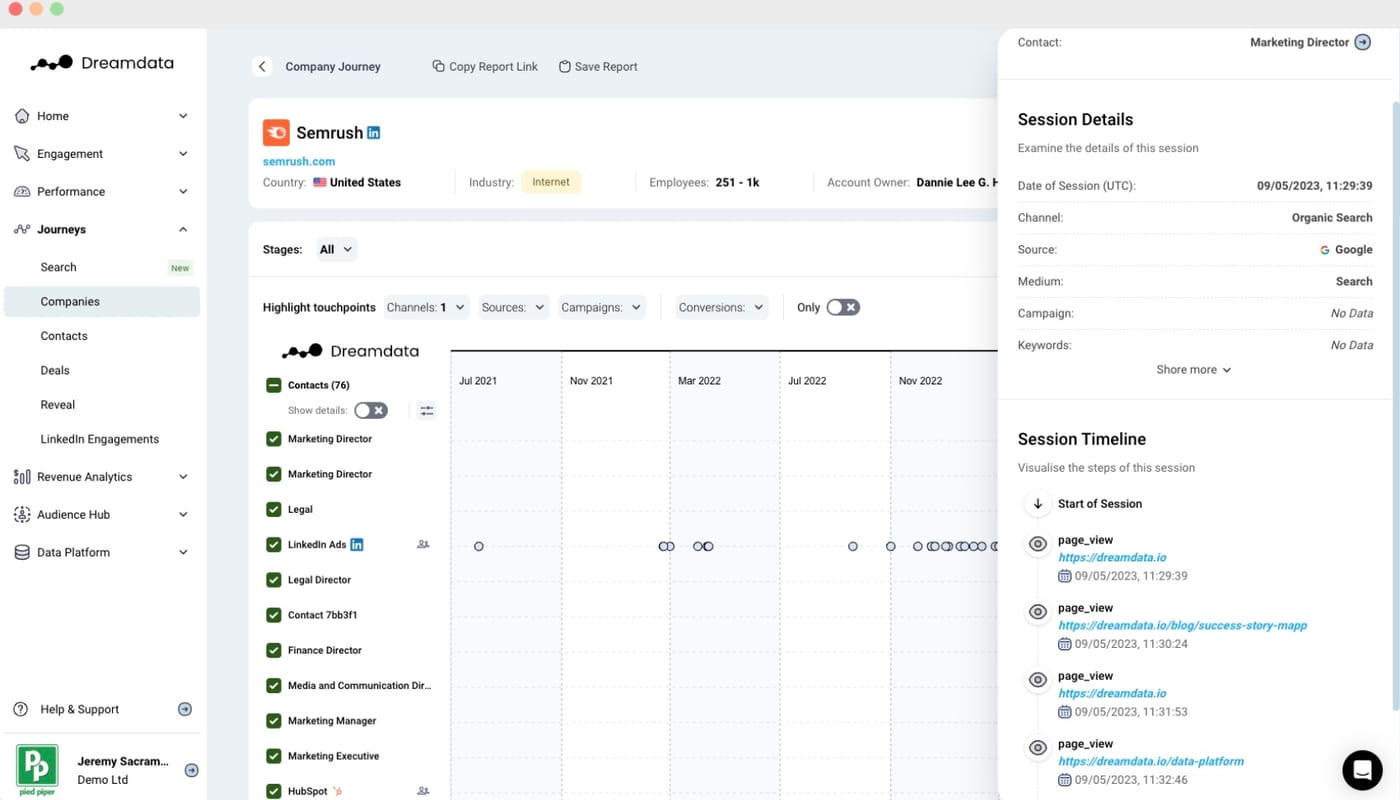
Dreamdata focuses on B2B attribution by connecting:
Where it works:
Limitations:
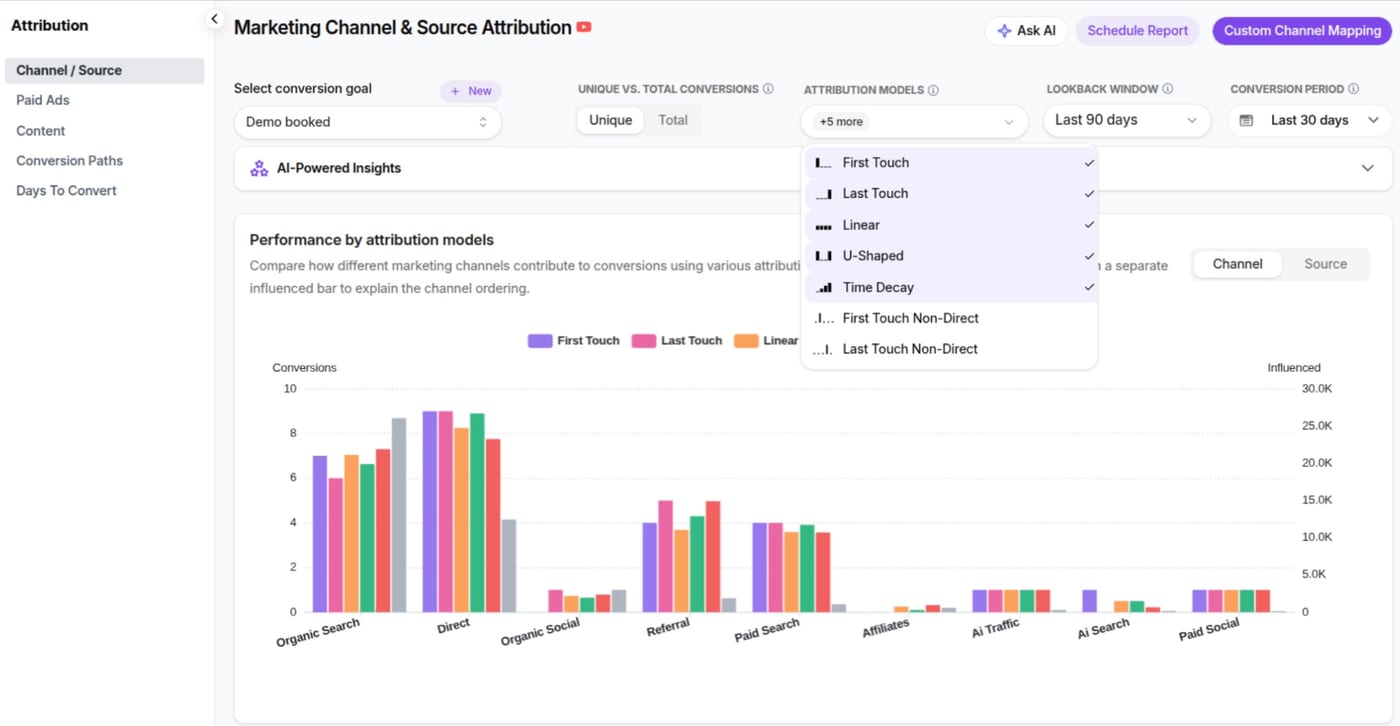
Usermaven is an AI-powered marketing attribution platform for tracking customer journeys and measuring revenue impact.
Where it works:
Limitations:
Here’s the simplest way to decide:
Most businesses still do this:
They optimize for leads instead of revenue.
That’s why campaigns “look profitable”… …but don’t actually grow the business.
The fix:
Attribution isn’t just about tracking anymore.
It’s about clarity.
When you can see:
You stop guessing—and start growing.
If you want to know what’s actually driving revenue in your business:
👉 Start a free trial of SegMetrics 👉 Or book a free data check-up with our team
No prep needed. Just real answers.
A. The best tool depends on your business model. SegMetrics is ideal for funnels and revenue tracking, while Triple Whale and Northbeam are better for ecommerce.
A. Analytics tools track activity (clicks, sessions). Attribution tools connect that activity to revenue and outcomes.
A. If you’re spending money on ads or running funnels—yes. Otherwise, you’re making decisions on incomplete data.
Denise Cullom is an innovative and goal-oriented Operations Lead committed to professional development and expert leadership of teams, systems, and profitability. Recognized for repeatedly surpassing business goals, she is a decisive leader and strategic planner known for rallying stakeholders behind new initiatives. Denise is adaptable to changing business needs and market conditions, continuously driving success and growth.
Influencer marketing tips fill the internet. Most of them are garbage. They tell you to “be authentic” and “find the…
Short answer: AI can reason about marketing data. It cannot record it. So will AI marketing attribution work for me?…
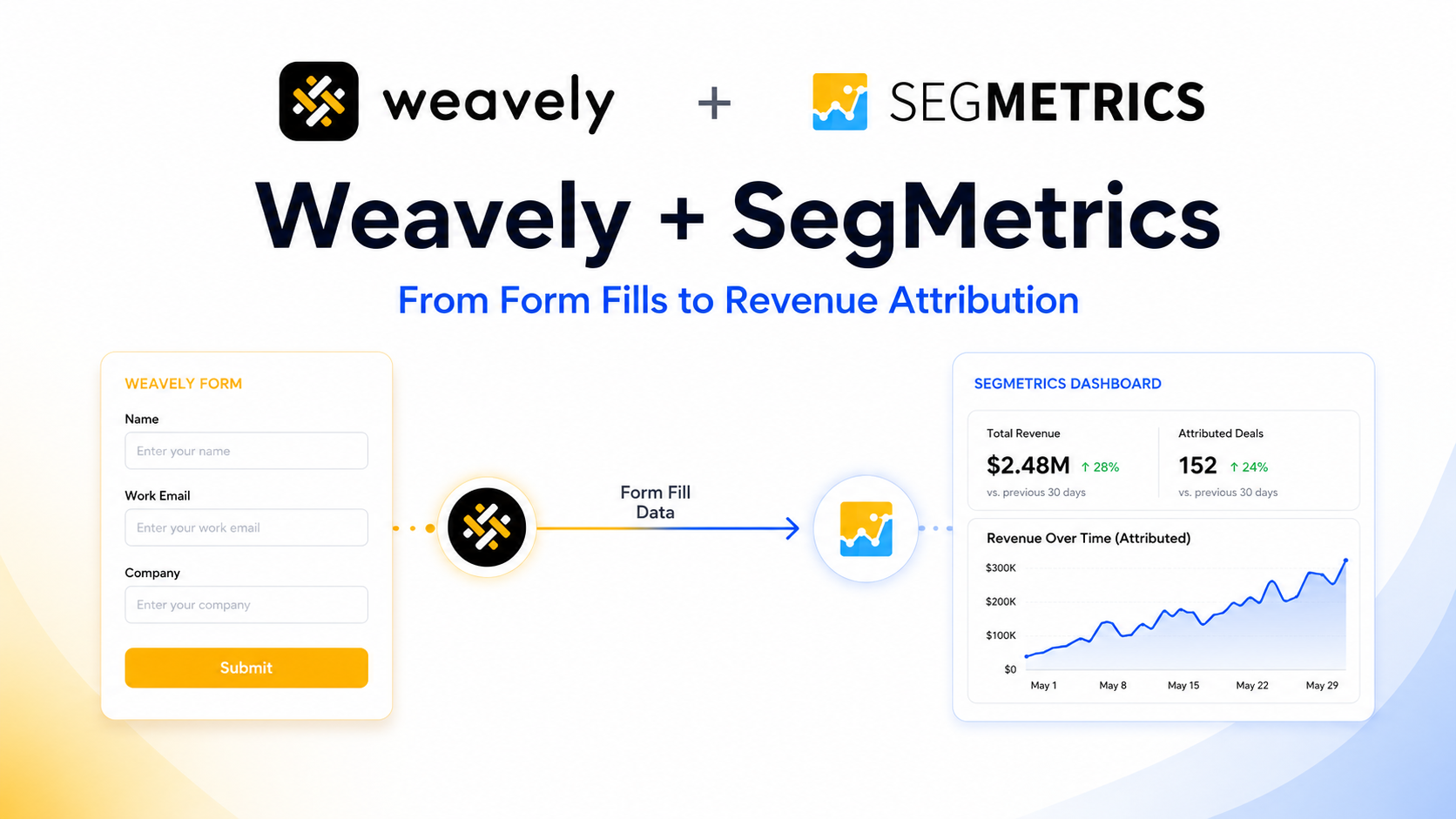
Most lead-gen forms are great at one thing: counting responses. You get a number, a spreadsheet fills up, and everyone…
Start your 14-day free trial of SegMetrics today!